

As artificial intelligence (AI) becomes a routine part of everyday life and work, people are being encouraged to embrace its benefits while recognising the impact it may be having on how we communicate with one another.
From drafting emails and reports to preparing presentations and proposals, AI tools are now firmly embedded across workplaces and education. AI is rapidly moving from a competitive advantage to an expected part of modern operations, with businesses increasingly relying on it to stay relevant. But while technology can help people sound more confident on the page, communication specialists warn it may also be weakening real-world speaking skills.
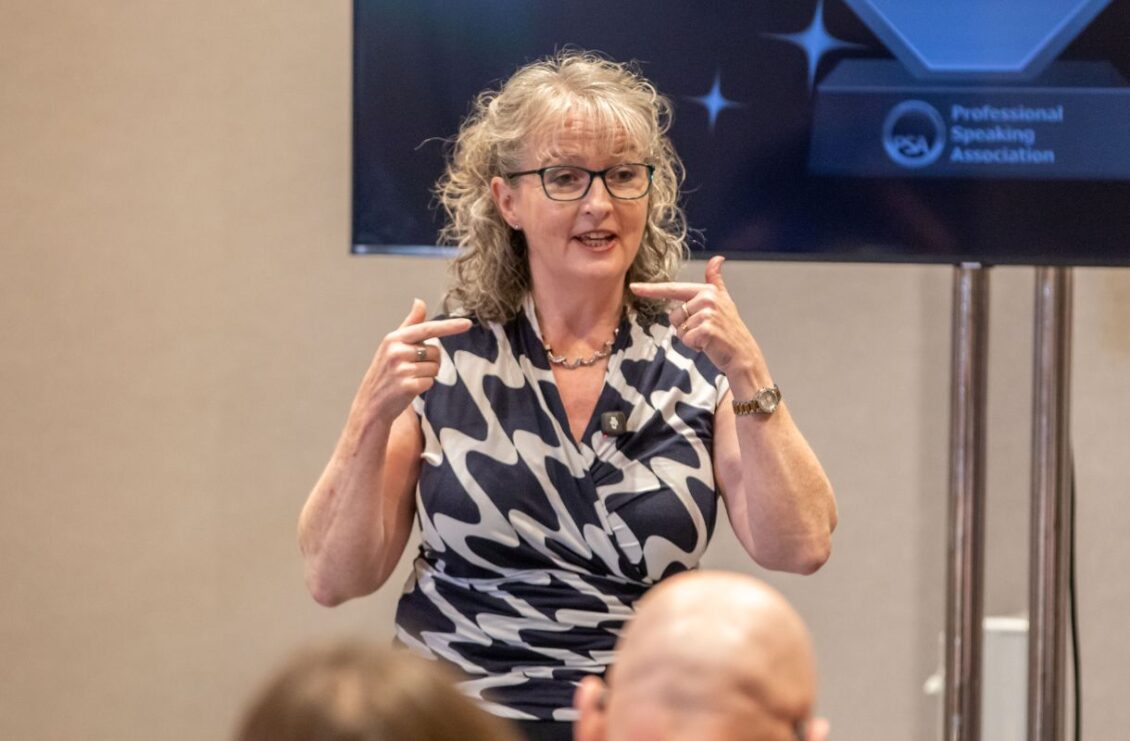
Fiona Brennan-Scott, a voice and speech coach and founder of BESPOKEN, says the issue is not AI itself, but how heavily people lean on it.
“AI can make our ideas look polished and well structured, but it cannot speak for us,” she says. “When there’s a mismatch between what someone has written and how they present it verbally, people sense it straight away. That’s when trust and authenticity start to slip.”
Speaking, whether to colleagues, clients, strangers or in public settings, has always been anxiety-inducing for some. But Fiona believes that in 2026 this challenge is becoming more widespread, shaped by technology, changing habits and the long-term effects of recent social disruption.
One factor is the growing gap between written and spoken communication. As AI-generated content becomes more common, people are practising speaking less. “We’re forming thoughts through our fingertips rather than our mouths,” Fiona explains. “That makes speaking feel more exposing and unfamiliar, even for capable and knowledgeable people.”
Another influence is the continued impact of the pandemic on young people entering the workforce. Research from the Institute for Fiscal Studies into early career education leavers affected by Covid-19 lockdowns highlights lasting effects on confidence and social development. Fiona sees this regularly in her work.
“Many young professionals missed key years of informal interaction,” she says. “Those everyday conversations that build confidence just didn’t happen in the same way, and the hangover from that is still very real.”
At the same time, communication habits have shifted across all age groups. Data from Ofcom and the BBC has long shown a steady move away from voice calls towards messaging, while more recent Ofcom research into how the UK goes online in 2025 highlights growing dependence on apps, search and AI-driven tools. Fiona says the result is fewer low-pressure opportunities to speak.
“When people rarely talk on the phone or in person, speaking starts to feel like a performance rather than a normal part of life,” she says. “That’s when avoidance creeps in.”
The consequences go beyond individual nerves. In workplaces, progress depends on people observing problems, sharing ideas and speaking up. Without that, productivity, innovation and morale can suffer. “Silence has a cost,” Fiona says. “Organisations don’t improve if people don’t feel able to use their voice.”
So how can people rebuild confidence and protect a skill that remains central to human connection?
Fiona says the answer lies in small, consistent choices rather than dramatic change. “You don’t have to become a confident public speaker overnight. You just need to start speaking more, little and often.”
She encourages people to make space for conversation in everyday life, whether at home or work, and to listen beyond words to tone, expression and body language. Replacing some messages with phone calls or voice notes can also help keep verbal skills active.
Shared activities such as walking, cooking or playing games often make conversation easier, particularly for men and neurodivergent people who may find direct eye contact uncomfortable. “Having a focal point takes the pressure off,” Fiona says. “Conversation flows more naturally.”
Speaking to strangers can also be useful practice. Brief interactions with people you may never meet again can help build confidence without fear of judgement. “Curiosity is your best friend,” Fiona adds. “Ask questions, listen properly and you’ll be surprised how often common ground appears.”
Taking regular breaks from digital devices can help too. Fiona suggests trying a weekly digital pause, turning off data and Wi-Fi for a set period and letting people know they can still call if needed. “It reminds you that you can think, wonder and talk things through without instantly reaching for a screen,” she says.
In professional settings, she recommends finding an ally. A colleague or meeting organiser who knows to invite input can make speaking up feel safer. Others may prefer to challenge themselves more directly by volunteering for presentations, with enough preparation time to build confidence.
Simple habits can also make a difference. Reading aloud for a few minutes each day helps people become more comfortable with their own voice and improves clarity and fluency. Joining clubs or networks where speaking is part of the activity can also provide structured, supportive practice.
Fiona’s golden gems for rebuilding speaking confidence
- Speak more than you type whenever you can
- Create low-pressure spaces for conversation through shared activities
- Practise small interactions with strangers to build confidence
- Take regular breaks from screens and digital tools
- Find an ally at work who can help you speak up
- Read aloud daily to get comfortable with your voice
“AI will keep evolving,” Fiona says. “But our ability to speak, connect and be understood is still one of the most powerful tools we have. In a world shaped by technology, it’s a skill worth protecting.”
Fiona Brennan-Scott runs BESPOKEN Voice and Speech and authored Breathtaking Communication – Tools and Techniques for Everyday Leaders. She has spent over 25 years working with leaders in STEM to help them engage effectively with their audiences.
