

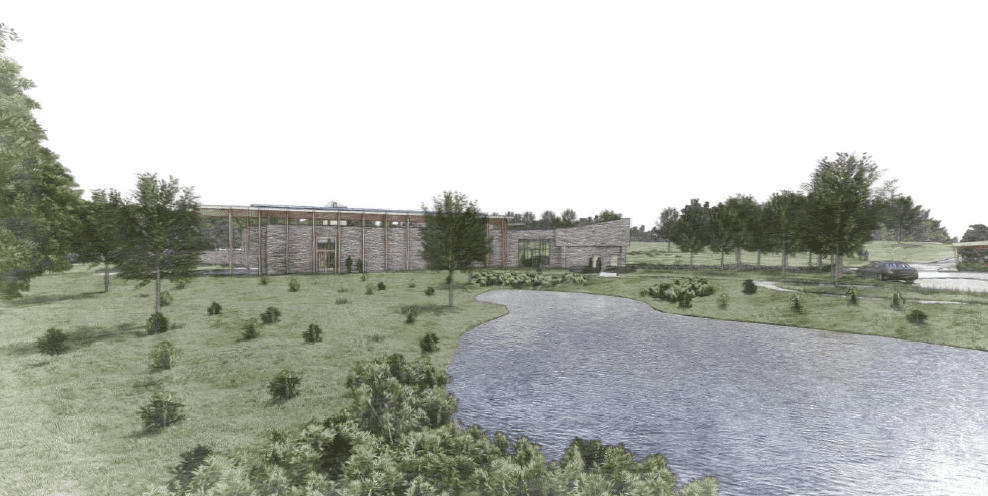
Cardiff Council has set out proposals to develop a new ‘green’ crematorium, designed to dramatically reduce carbon emissions while safeguarding high‑quality, affordable bereavement services for residents.
A Cabinet Report due to be considered on March 19th, outlines a plan to develop a modern, purpose‑built crematorium using electric cremators – which can cut carbon emissions by up to 80 per cent compared with traditional gas‑fuelled cremation. Solar power and heat‑recovery technology would also form part of the new facility, which would be built on council‑owned land at the former Dutch Garden Centre site near Junction 30 of the M4.
If approved in principle, the scheme would help future‑proof cremation services in the capital and support the city’s continued drive to become carbon‑neutral through its One Planet Cardiff strategy.
Cabinet Member with responsibility for Bereavement Services, Cllr Norma Mackie, said: “These proposals are about planning responsibly for the future – for our residents, our environment and our essential public services. Cremation remains the choice for many families, and we have a duty to provide that service in a way that is dignified, affordable and environmentally responsible.
“By investing in a green crematorium, we can significantly cut carbon emissions, help protect local people from rising costs, ensure continuity of service during periods of high demand or emergency, and improve the experience for bereaved families.”
Cardiff is currently the only UK Core City of a similar size with only one crematorium and the proposal is designed to complement, not replace, Thornhill Crematorium, which would continue to operate.
The development of a second crematorium would reduce pressure on Thornhill, improve accessibility for families across Cardiff and the wider region, and help keep cremation fees affordable for local people
The proposed site has been carefully assessed against planning, environmental and access criteria. As the project progresses, there would be full public consultation as part of the planning process, alongside detailed environmental and equality impact assessments to ensure the new facility meets the needs of Cardiff’s diverse communities.
