

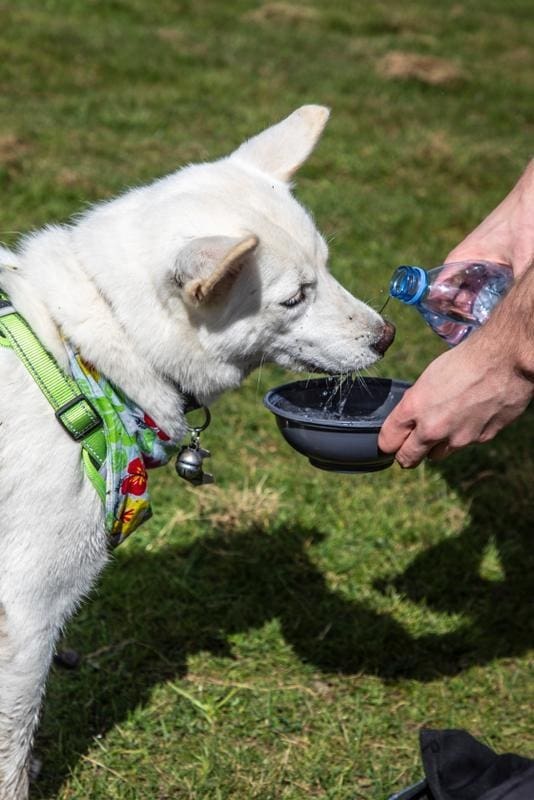
Dog owners are being reminded of the dangers hot vehicles pose to their pets during sunny spells.
As the Met Office predicts ‘largely fine and dry’ weather across England and Wales, with many people planning weekend trips to the seaside, BBQs, and picnics, the RSPCA is reminding owners not to let the first warm spells of spring lead to complacency when it comes to pets.
Predicted temperatures this weekend include up to a sweltering 21°C (70°F) for London and Birmingham with 20°C (68°F) forecast for Cardiff.
The charity is encouraging owners to do some vital “pet homework” now – from checking forecasts to planning cooler walking times – to ensure their dogs and other animals stay safe and comfortable.
The warning comes from the RSPCA’s animal welfare experts, aiming to highlight the importance of pet owners taking extra care of their animals during sunny spells and reminding owners everywhere the warning that ‘dogs die in hot cars’, and those who see a dog in a hot car should call 999 immediately. The charity also warns that cars, trains, ferries and caravans all pose risk.
RSPCA polling suggests only 58% of the general public across the UK would NOT leave their dog inside a car on a warm day* – suggesting almost half of the general public still underestimate the potentially fatal consequences for their pet of doing this.
Lauren Bennett, expert in dog welfare at the RSPCA, added: “As warm, sunny spells arrive this weekend, the temptation is strong to include our dogs in all the fun – whether that’s a trip to the seaside or the first BBQ of the year. However, we are urging owners not to become complacent. Even mildly warm weather can be dangerous, and the risks of heatstroke and ‘hot cars’ are present from the very first sunny day of spring.
“We know that almost half of the public may still underestimate the danger, which is why now is the critical time to start your ‘pet homework.’ This includes everything from getting into the habit of checking the temperature forecast daily to planning cooler walks and knowing exactly how to act in a heatstroke emergency. Taking these simple steps now is the best way to safeguard your dog’s life.”
Lauren is also highlighting the importance of owners recognising what factors may put their individual pet at risk of heatstroke, such as older, larger, overweight, or double-coated dogs, or those with potential breathing issues such as French bulldogs, pugs and other flat-faced breeds.
She added: “Even at lower temperatures, pets are still at risk, which some owners may not realise. We’re also highlighting that no matter your dog’s breed or how much they appear to enjoy basking in the sunshine, all animals are at risk. Taking the time now to identify how you can reduce your dog’s risk, could just save their life.”
