

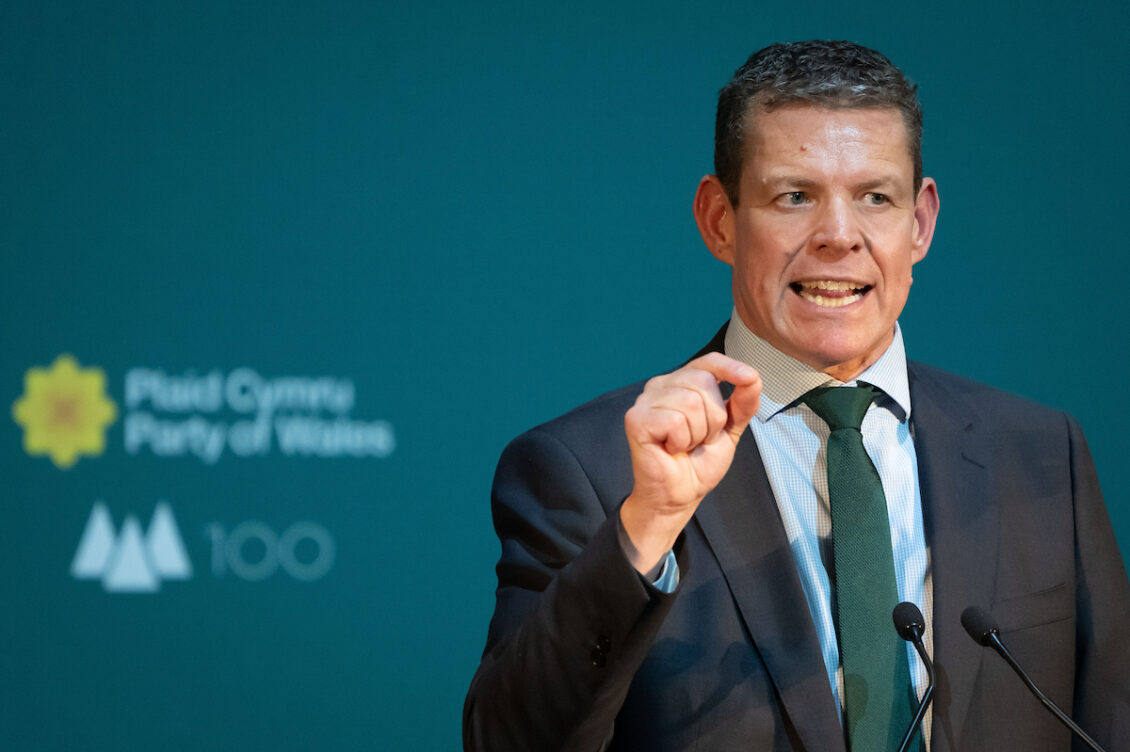
Plaid Cymru is set to become the largest party in the Senedd following one of the most dramatic and historic election days in Welsh political history.
All constituencies have now been declared, Plaid Cymru holds 43 seats in the Senedd, ahead of Reform UK on 34. Welsh Labour has fallen to third place with just nine seats, while the Conservatives have secured seven. The Green Party has won two seats and the Liberal Democrats one.
The result marks a seismic shift in Welsh politics and signals the end of an era for Labour, which has led the Welsh Parliament in various forms since devolution began in 1999.
Today’s election was already expected to be historic due to the introduction of Wales’ new fully proportional voting system and the expansion of the Senedd to 96 Members. However, the political shockwaves grew even larger this afternoon when First Minister Eluned Morgan lost her seat.
In a moment likely to be remembered as one of the defining political stories in modern Welsh history, Eluned Morgan also resigned as leader of Welsh Labour following the result.
The new voting system, using larger constituencies and the D’Hondt method of proportional representation, has dramatically reshaped the political landscape in Cardiff Bay. It has reduced Labour’s long standing advantage under the previous first past the post structure and opened the door to a far more fragmented and competitive Senedd.
Attention will now quickly turn to what happens next and how Wales forms its next government.
Before the new Senedd can formally begin its work, newly elected Members of the Senedd are expected to begin the process of being sworn in from tomorrow and across the weekend ahead of the first official sitting next week.
The expectation is that the process could move rapidly over the coming days. The newly elected Senedd is likely to meet next week, potentially as early as Tuesday, when Members of the Senedd will nominate and vote for a new Presiding Officer.
At the same sitting, nominations for First Minister are also expected to take place.
With Rhun ap Iorwerth and Plaid Cymru on course to become the largest party, expectations are growing that he will be nominated to become Wales’ next First Minister. Political observers believe there could be enough support from parties on the left of Welsh politics to allow that nomination to pass.
If successful, it would mark the first time Plaid Cymru has led the Welsh Government.
The exact shape of the next administration remains uncertain, but early indications suggest Wales could see a Plaid Cymru minority government formed either by the end of next week or early the following week.
Coalition talks and negotiations are also likely to take place behind the scenes over the coming days as parties assess possible working arrangements in what is now a far more proportional Senedd.
For Wales, today’s result represents far more than a routine election outcome. It marks a political reset for the country, the beginning of a new electoral era, and potentially the biggest shift in power since devolution began more than 25 years ago.
