

For years, electric bikes were often viewed as premium mobility products. High-end models with advanced drivetrains, large batteries, and integrated smart features pushed prices well beyond what many consumers considered affordable for daily transportation.
But the market is beginning to change.
A growing number of manufacturers are now targeting a different segment entirely: the entry-level e-bike market. In particular, the rise of best electric bikes under 500 £ signals something much larger than a pricing trend.
It represents the early stages of e-bike democratization.
As costs fall and accessibility improves, e-bikes are increasingly shifting from enthusiast products into practical transportation tools for everyday urban life.
And in many ways, this transition could have a far greater impact on urban mobility than the growth of premium electric bikes alone.
E-bikes are entering the mass-market phase
The first wave of modern ebike focused heavily on technology and performance.
Manufacturers competed around:
- battery range
- motor torque
- smart integrations
- lightweight materials
- premium design
As a result, many early e-bikes were positioned closer to consumer electronics or performance cycling products than to accessible transportation.
However, for mass adoption to happen, the market eventually needed to move toward affordability.
That process is now becoming increasingly visible in the UK.
Sub-£500 electric bikes are lowering the financial barrier for:
- students
- younger commuters
- first-time riders
- part-time workers
- urban residents seeking alternatives to cars or public transport
This matters because transportation behavior changes most significantly when mobility becomes financially accessible at scale.
Why affordable e-bikes matter more than many people realize
The significance of budget e-bikes is not simply that they are cheaper.
Their real importance lies in what they enable.
Rising commuting costs in UK cities
Urban transportation costs in the UK continue to increase.
Many commuters now face:
- higher fuel prices
- rising rail fares
- expensive parking
- congestion-related charges
- increasing insurance costs
For short urban journeys, these costs can become difficult to justify.
A low-cost e-bike offers an alternative form of transportation with:
- minimal operating costs
- low charging expenses
- reduced maintenance compared to cars
- faster movement in congested urban areas
For many users, affordability is what makes electric mobility realistic in the first place.
Most city trips are actually short
One of the biggest misconceptions in urban transportation is that daily mobility requires large vehicles.
In reality, many urban journeys are:
- under 5 miles
- completed by a single person
- repetitive daily routes
For these trips, a compact budget e-bike may be entirely sufficient.
This is especially true in dense urban environments where:
- traffic congestion slows cars
- parking is limited
- public transport may be overcrowded
In these situations, an affordable e-bike becomes less of a recreational device and more of a practical utility tool.
Younger users are entering the market
Historically, e-bike adoption skewed toward older riders or cycling enthusiasts with higher disposable income.
Lower-cost models are now changing that dynamic.
Students and younger urban commuters increasingly view budget e-bikes as:
- first personal mobility devices
- alternatives to scooters
- substitutes for expensive car ownership
- flexible commuting tools
This demographic shift could significantly reshape the long-term growth trajectory of the e-bike market.
What does a sub-£500 e-bike actually offer?
One of the most important things to understand about this category is that affordability requires compromise.
Sub-£500 e-bikes are not designed to compete directly with premium commuter or touring models.
Instead, they focus on what might best be described as:
“good enough urban mobility.”
That means prioritizing:
- practicality
- accessibility
- simplicity
- short-distance usability
rather than high-end performance.
Motor systems
Most affordable UK-legal e-bikes in this category typically use:
- 250W hub motors
- basic pedal-assist systems
- moderate acceleration tuning
These systems are generally optimized for flat or moderately urban terrain rather than steep off-road riding.
Battery range
Real-world range in this segment commonly falls between:
- 20–40 miles depending on conditions
While this is lower than premium long-range models, it remains more than sufficient for many daily commuting needs.
For urban transportation, range often matters less than reliability and charging convenience.
Compact and folding designs
Interestingly, many budget e-bikes increasingly adopt compact or folding-oriented designs.
This reflects the realities of urban living:
- smaller apartments
- limited storage space
- mixed commuting systems
- train compatibility
Compactness often becomes more valuable than outright speed.
Weight limitations
One area where lower-cost bikes still face challenges is weight.
Because lightweight materials such as carbon fiber or magnesium alloys remain expensive, budget e-bikes are often heavier than premium alternatives.
This can affect:
- portability
- carrying convenience
- stair transport
However, for many users, the lower entry cost outweighs these compromises.
The real value of affordable e-bikes: lowering the barrier to mobility
The most important role of budget e-bikes may not be technological innovation.
It may simply be accessibility.
Premium e-bikes often sell:
- performance
- design
- advanced engineering
- lifestyle branding
Affordable e-bikes sell something more fundamental:
transportation freedom.
For many users, a sub-£500 e-bike may represent:
- reduced dependence on public transport
- lower commuting costs
- improved mobility access
- increased flexibility in daily life
And from a broader urban planning perspective, mass adoption matters far more than niche premium ownership.
Cheap e-bikes may matter more for sustainability than premium ones
One of the more overlooked realities of urban sustainability is that large-scale transportation change rarely begins with luxury products.
Mass adoption happens when technology becomes affordable enough for widespread daily use.
In that sense, affordable e-bikes may contribute more significantly to:
- reducing car dependency
- lowering emissions
- improving short-distance mobility
- increasing cycling participation
than ultra-premium models with limited market reach.
The true environmental impact of e-bikes depends not only on technology—but on accessibility.
The limitations of budget e-bikes
Despite their growing importance, affordable e-bikes are not without trade-offs.
Heavier construction
Lower-cost materials often result in heavier frames and reduced portability.
Battery quality variation
Battery reliability and long-term lifespan can vary significantly across the budget segment.
Durability concerns
Entry-level components may wear faster under heavy daily use.
Limited after-sales support
One challenge in the budget e-bike market is inconsistency in service infrastructure and customer support quality.
This is particularly important for first-time riders unfamiliar with e-bike maintenance.
Legal confusion and modification risks
In the UK, some low-cost e-bikes sold online may not fully comply with legal e-bike regulations.
Users unfamiliar with local rules may unintentionally purchase or modify bikes beyond legal power or speed limits.
As affordable e-bikes become more widespread, regulation and consumer education will likely become increasingly important.
Industry example: Fiido and affordable urban mobility
Several manufacturers are now focusing on the entry-level e-bike segment as urban mobility becomes more mainstream. Fiido is one example of this broader shift toward affordable and compact electric transportation.
Fiido E-Bikes Under £500
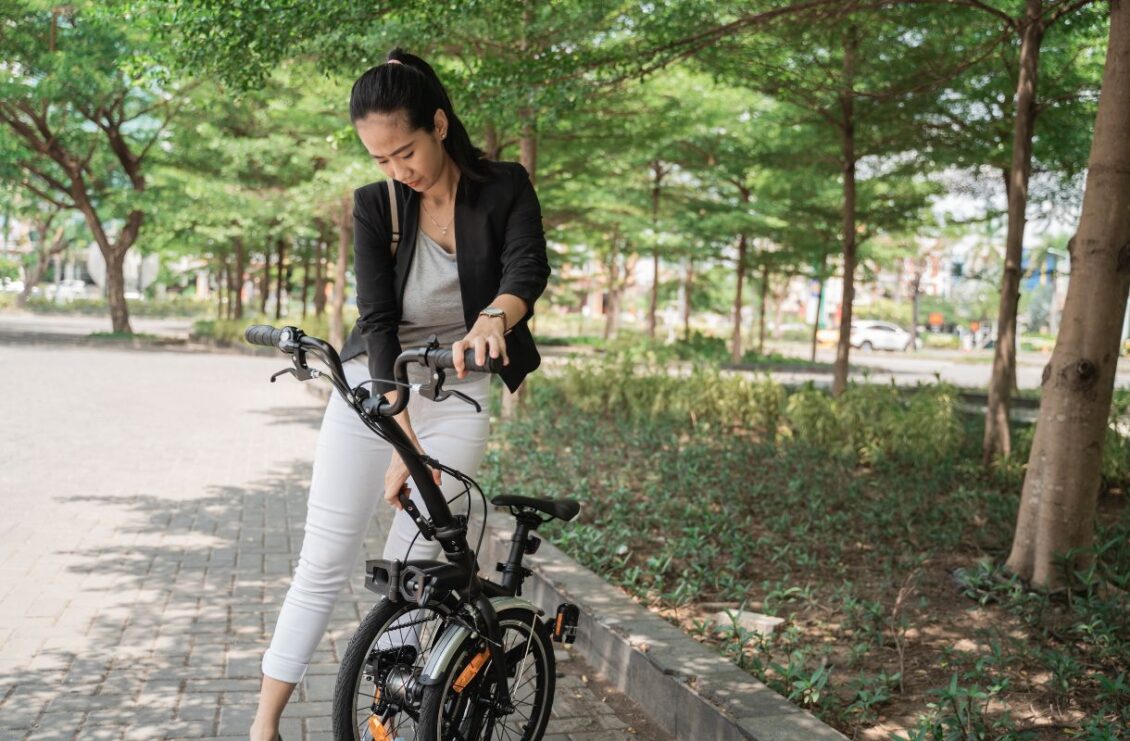
One representative model in this category is the Fiido D3 Pro, a compact folding electric bike designed around short-distance urban commuting.
Its small footprint, lightweight folding structure, and simplified commuting focus reflect many of the priorities driving growth in the affordable e-bike segment:
- accessibility
- apartment-friendly storage
- low operating cost
- practical short-range transportation
Rather than attempting to compete with premium commuter e-bikes, models like the D3 Pro highlight how budget-focused mobility products are increasingly targeting real-world urban transportation needs.
Will affordable e-bikes become mainstream?
The future e-bike market is likely to become increasingly segmented.
At the premium end:
- carbon fiber frames
- advanced drivetrain systems
- integrated smart technologies
At the mass-market level:
- affordability
- practicality
- urban utility
- simplified ownership experience
And while premium innovation often attracts attention, it may ultimately be affordable e-bikes that create the largest transportation shift.
Because large-scale mobility transitions rarely happen through enthusiast products alone.
They happen when ordinary people can participate.
Conclusion
The rise of sub-£500 electric bikes represents more than a pricing trend.
It marks a broader transition in the evolution of urban transportation.
As electric mobility becomes more accessible, e-bikes are gradually moving beyond niche cycling culture and becoming part of mainstream daily life.
Their greatest contribution may not be speed, range, or advanced technology.
Instead, it may simply be this:
making electric transportation available to far more people than before.
And in the long term, that accessibility could matter more than any premium innovation in the market.
