

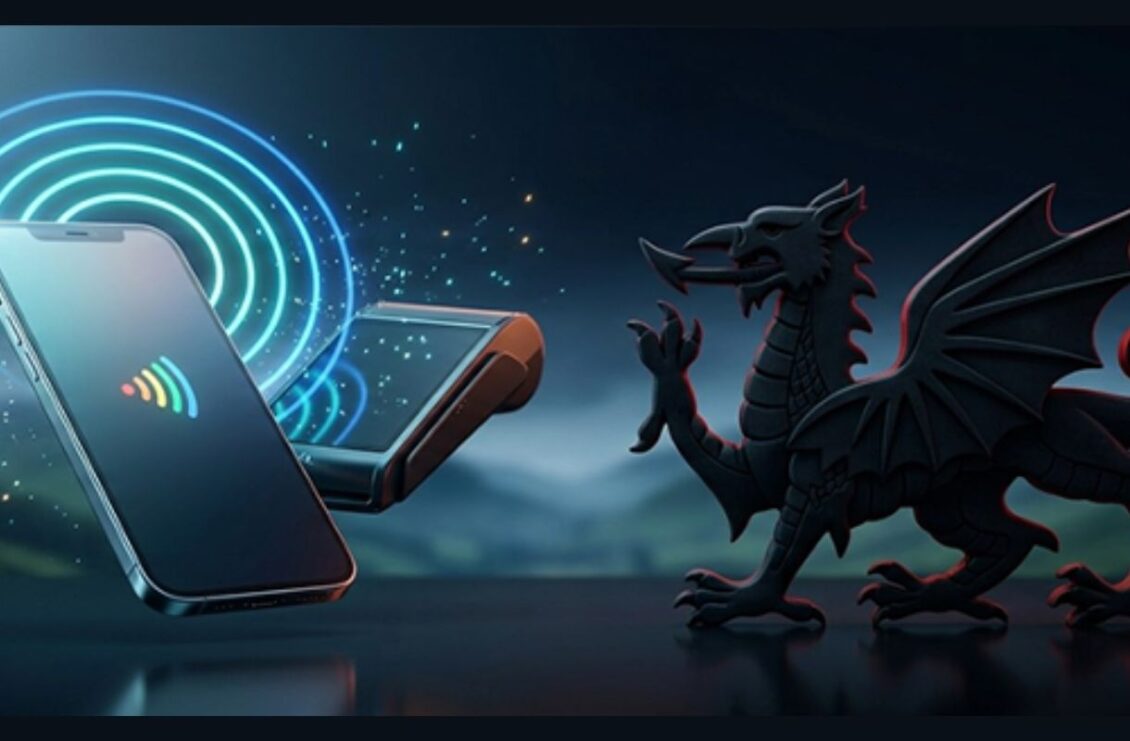
This March, the UK’s FCA scrapped the £100 limit on contactless card payments, but some banks decided to leave it as it was. They view this limit as a protection against fraud, an extra layer of security. However, no such restrictions apply to contactless payments made through Google Pay. Welsh people use it to order furniture and appliances and to pay for streaming subscriptions and online entertainment, especially younger generations. The lack of limits is far from the only reason for its popularity. Let’s break down the other, less obvious reasons in this article.
Security vs Convenience: How GPay Took the Top Spot
That’s exactly why Barclays, HSBC, Lloyds, NatWest, Nationwide, and Santander kept the £100 limit for contactless payments. Their reasoning is this: if someone loses their plastic card, or it gets stolen, a fraudster can easily tap a card at a terminal and pay without entering a PIN.
With Google Pay, as with Apple Pay, payment only goes through after confirmation via biometrics or a passcode. The owner is verified every single time they want to pay for something. It’s the same with online payments – the customer doesn’t need to type their card number in over and over, but confirming the payment is still mandatory. For every Welsh resident, this is fast, convenient, and secure at the same time.
Why Else Google Pay Fits the Way People Spend in Wales
Beyond security and the absence of limits, there are plenty of other reasons the Welsh use Google Pay.
One Wallet Instead of Ten Cards
On Reddit, people from Wales actively discuss how they’re forced to keep several apps on their phones just for parking, while their wallets hold dozens of discount cards. Finding the bank card among them takes time, as does installing a separate app for each parking zone – not to mention the free storage space it eats up on the device.
Google Wallet solves a lot of these problems. You can add all your bank cards here. The same goes for discount cards – no need to carry a stack of plastic around and dig through it in a shop looking for the right one. Open Google Pay, scan the barcodes you need, tap your smartphone at the terminal to pay – and that’s it.
Big Purchases Without the Hassle
Welsh people joke that they accept payment in scones, coal, and tourists’ souls, but seriously speaking, large purchases still need to be made, and carrying cash isn’t always convenient. Nor is it always safe. That’s where GPay services take the stage.
Convenient Online Purchases
Google Pay has an advantage over contactless card payments. During any online order, on the payment page, the customer doesn’t have to enter the card number, expiration date, and CVV code. Instead, confirmation happens via Face ID or fingerprint. Behind the scenes lies the tokenisation mechanism – the buyer never actually receives the card’s real details and can’t use them in any fraudulent schemes.
It has made it convenient to pay for streaming services, top up balances at casinos that accept Google Pay, play video games, or buy tickets for movies or concerts. In the latter case, it’s especially handy, since tickets for popular music events sell out fast, and you need to be quick to grab one. Funds reach the service provider or platform immediately or soon after.
Wales on Rails: Tap-In, Tap-Out Instead of Paper Tickets
Gradually and unhurriedly, public transport is shifting toward smartphone payments. It’s happening too slowly, but the first changes are already visible. Transport for Wales (TfW) is actively working to expand contactless fare payment:
- In South-East Wales, the “tap-in, tap-out” system has already been running for two years – the customer taps their smartphone at the validator both when entering and exiting.
- This spring, the same mechanism launched on trains in North-East Wales. In that time, passengers have used this payment method 4.5 million times.
The benefit is at the top: the system automatically calculates the best daily or weekly fare. That price is often much more attractive than the price of a standard single ticket.
Where Google Pay Still Hasn’t Reached
The further you get from big cities like Cardiff, the more cash is valued. Card or smartphone payments spread the slowest to small businesses, whereas at supermarkets and outlets belonging to large chains, you can pay by card or Google Pay even in the most remote corners of Wales.
Somewhere in the middle are pubs and fairs. Most already have terminals for quick payments, but only if renting the terminal pays for itself. The bigger the fair, the bigger the customer flow, the more likely it is that tapping your phone or card will be enough to pay.
You’re guaranteed to need cash on hand when you:
- Go to a Turkish barbershop
- Use a taxi in a small town
- Visit small cafés and chippies
- Order takeaway from a local Chinese restaurant
Rolling out contactless payments in places like Mid Wales is difficult because for small businesses, setting up and maintaining the terminal can cost more than a month’s revenue.
Wrapping Up
The popularity of Google Pay in Wales is growing and reaching even rural areas. For now, the picture is uneven: in some places you can pay with GPay without any trouble, while in others cash is still king, dictated by specific local circumstances. But when it comes to online payments, Google Pay’s only real competitor is Apple Pay – both are suited to paying quickly and safely, without bumping up against the £100 limit.
Underage gambling is an offence. You must be over 18 years old to gamble.
Any form of gambling should always be fun, playing in a way that is right for you. It’s good to set limits, take time out or set up reminders.
Please gamble responsibly and in moderation.
For more information on the tools available to help to keep you safe or if you want advice or support you can call the National Gambling Helpline on 0808 8020 133 (England, Scotland and Wales or visit Gamblingtherapy.org).
