

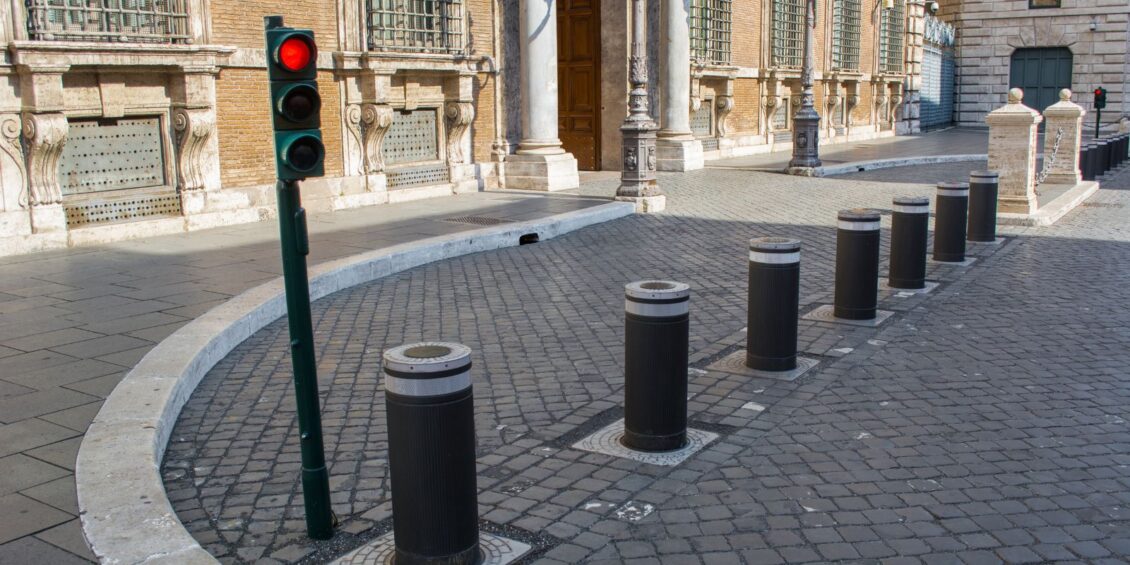
Safety bollards are common in modern urban landscapes, often placed around pedestrian areas, storefronts, and city infrastructure. But how effective are they in stopping a speeding car? The short answer is that it depends on the type of bollard and its intended purpose. Let’s explore safety bollards‘ design, function, and real-world effectiveness in protecting people and property.
What Are Safety Bollards?
Before diving into their capabilities, it’s essential to understand what safety bollards are. These are sturdy posts, often made of steel or reinforced concrete, designed to create a barrier. They’re used to guide traffic, protect pedestrians, and prevent vehicles from entering restricted areas.
Safety bollards come in various types, including:
- Fixed Bollards: Permanently installed to block vehicles.
- Removable Bollards: Can be taken out when vehicle access is needed.
- Retractable Bollards: Can be lowered into the ground, often controlled electronically.
- Crash-Rated Bollards: Specifically designed to stop vehicles, even at high speeds.
Each type serves a different purpose, but crash-rated bollards are the ones tested for their ability to stop speeding vehicles.
The Science Behind Crash-Rated Bollards
Crash-rated bollards are engineered to withstand the impact of a vehicle travelling at high speed. They’re often installed in high-security areas, such as government buildings, airports, and stadiums. The effectiveness of these bollards is measured using crash ratings set by organizations like the ASTM (American Society for Testing and Materials) or the Department of State in the U.S.
The rating system typically considers:
- Vehicle Weight: The bollard’s ability to stop different types of vehicles, from passenger cars to large trucks.
- Impact Speed: The speed at which a vehicle can be stopped.
- Penetration Distance: How far the vehicle travels past the bollard upon impact.
For instance, a bollard rated as ASTM F2656 M50 can stop a 15,000-pound truck traveling at 50 miles per hour with minimal penetration.
Real-World Effectiveness
Crash tests and engineering specifications show that properly installed crash-rated bollards can indeed stop a speeding car. Videos of crash tests often depict vehicles coming to a sudden halt upon impact, with the bollards remaining intact. However, real-world effectiveness depends on several factors:
- Installation: Even the strongest bollard is ineffective if it’s poorly installed. The foundation must be deep and robust enough to absorb the impact energy.
- Vehicle Type: Heavier and faster vehicles require stronger bollards. A bollard designed for smaller cars may not stop a large truck.
- Number of Bollards: In high-risk areas, a single bollard may not be sufficient. Installing them in a sequence provides better protection.
Common Use Cases for Safety Bollards
Safety bollards are used in various settings, including:
- City Centers: To protect pedestrians and infrastructure in crowded areas. For example, city center work in places like Cardiff aims to improve walking and cycling connections while incorporating bollards for safety.
- Storefronts: To prevent accidental or deliberate vehicle crashes into buildings.
- Public Events: To block unauthorized vehicles from entering pedestrian zones.
- Industrial Areas: To safeguard equipment and workers from vehicle collisions.
Limitations of Safety Bollards
While safety bollards are highly effective, they’re not foolproof. Here are some limitations to consider:
- Non-Crash-Rated Bollards: Decorative or lightweight bollards may not stop a speeding car. They’re designed more for guiding traffic or aesthetic purposes than for high-impact scenarios.
- Extreme Impacts: Even crash-rated bollards have limits. A high-speed impact from a heavy truck may overwhelm the bollard’s capacity.
- Human Error: Poorly placed or spaced bollards can create gaps that vehicles might exploit.
- Maintenance: Bollards require regular inspections to ensure they remain functional and effective.
Innovations in Bollard Technology
Advancements in bollard technology are making them more versatile and effective. Some of the latest innovations include:
- Energy-Absorbing Bollards: Designed to reduce the impact force and minimize damage to both the bollard and the vehicle.
- Smart Bollards: Equipped with sensors and cameras for added security and real-time monitoring.
- Aesthetic Integration: Combining safety with design to blend seamlessly into urban environments.
Do You Need Safety Bollards?
If you’re considering installing safety bollards, it’s crucial to assess your specific needs. Here are some factors to consider:
- Risk Assessment: Identify the level of risk in your area. High-risk zones, such as busy pedestrian areas or locations prone to vehicle attacks, may require crash-rated bollards.
- Budget: Crash-rated bollards are more expensive than decorative ones, but they provide a higher level of protection.
- Compliance: Ensure the bollards meet local safety and security standards.
- Expert Consultation: Work with professionals to design and install the bollards properly.
Conclusion
Safety bollards can indeed stop a speeding car, but their effectiveness depends on factors like design, installation, and intended use. For areas with high vehicle and pedestrian traffic, investing in crash-rated bollards is a wise choice to ensure safety and security.
Whether you’re protecting a storefront, a public space, or critical infrastructure, safety bollards offer a reliable solution. By understanding their capabilities and limitations, you can make an informed decision that prioritizes safety without compromising functionality. For urban area, integrating safety measures with improvements to walking and cycling connections shows how thoughtful planning can enhance both safety and accessibility.
