

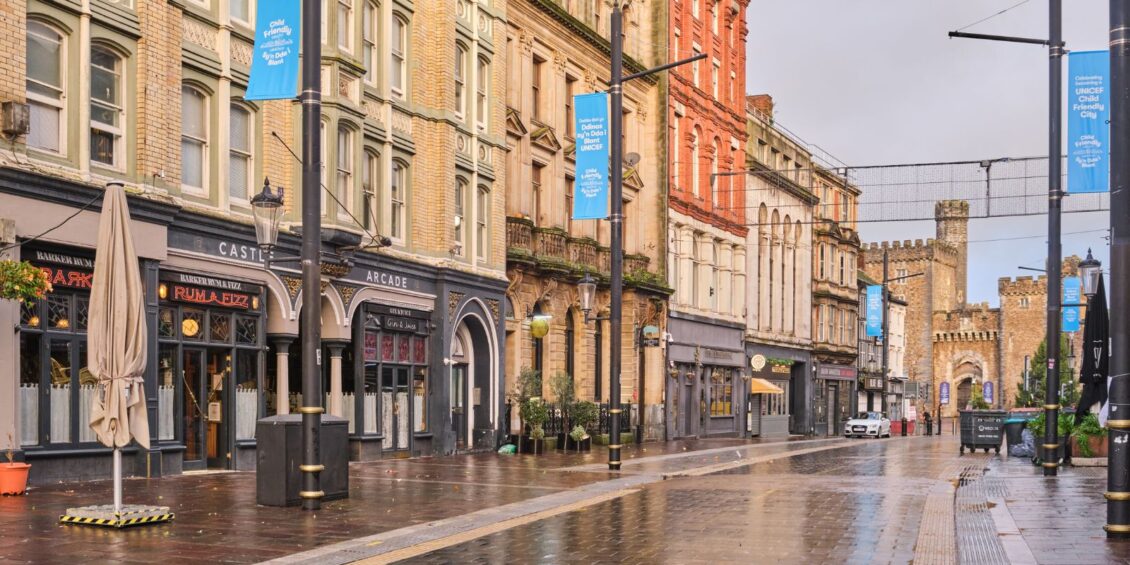
Cardiff shoppers can spot a retail craze a mile off. First comes the social media whisper, then the shopfront photo, then the friend who “just pops into town” and comes back with a bag, a receipt and a suspiciously serious new hobby. This time, it is not trainers or viral beauty buys causing the fuss. It is the tiny, shiny, slightly chaotic world of collectible figures.
Pop-culture collecting has moved from bedroom shelves and convention halls into everyday shopping habits. Fans are browsing shelves, comparing releases online and looking for characters linked to films, TV, anime, games and music, while gift buyers are discovering that a small figure can say far more than another pair of socks ever could.
The modern shopping trip no longer ends with a coffee and a quick browse. It may now involve a small vinyl character, a limited-edition release and a promise that this is “definitely the last one”. Nobody believes that promise, of course. Not even the person saying it.
The rise of the tiny trophy
For anyone who has not yet fallen down the rabbit hole, collectible figures can be hard to explain. They are small, often cute, sometimes dramatic, and somehow capable of making perfectly sensible adults say things like, “I only need one more.”
For many collectors, official stores such as Funko UK have become part of that hunt, offering figures that turn favourite fandoms into something displayable, giftable and proudly shelf-worthy.
Part of the appeal is simple: these figures are little trophies of taste. A football shirt says which club you support. A band T-shirt says what you listen to. A shelf full of pop-culture figures says you have opinions about anime, superhero films, horror villains, gaming icons and possibly one very specific side character from a show that ended years ago.
That is the secret. Collectibles are not just toys. They are tiny declarations of personality. They sit on desks, bookshelves, gaming setups and bedside tables, quietly announcing: “This is my thing.”
Why the craze fits the city centre
Cardiff has always had a healthy appetite for fandom. From comic conventions and gaming nights to packed cinemas, rugby crowds and queues for big retail openings, the city knows how to turn enthusiasm into an event. St David’s and the surrounding centre already pull in shoppers from across the region, so it is no surprise that pop-culture products have found a natural home here.
The timing also feels right. Pop culture is no longer tucked away in specialist corners. Anime is on mainstream streaming platforms. Gaming is part of everyday entertainment. Fantasy franchises, animated films and character-led merchandise are everywhere. The high street has noticed, and shoppers are likely to notice even faster.
This is also part of a wider shift in retail. People are not just looking for things to buy. They want things to browse, photograph, compare and talk about afterwards. A collectible figure is perfect for that. It is small enough to carry home, expressive enough to post online and personal enough to make the buyer feel like they have found something that belongs to them.
Small figures, big emotions
The joy of collecting often comes from the chase. Sometimes it is about finding a favourite character. Sometimes it is about completing a set. Sometimes it is about spotting something on a shelf and feeling a sudden, unreasonable certainty that it needs to come home immediately.
That tiny moment of recognition does a lot of heavy lifting. It turns a purchase into a mini event. One second you are walking through town with no plans beyond lunch, and the next you are deciding whether a figure of a beloved screen icon would look better beside your laptop or next to the books you keep meaning to read.
There is also the social side. Collectors trade tips, compare displays, post unboxings and show off shelves that look like tiny museums curated by someone with excellent Wi-Fi and no fear of dusting.
From children’s toys to adult collections
One of the biggest changes in the toy world is that the audience has grown up, but the fun has not gone away. Adults are buying figures for nostalgia, home decoration, office desks and gifting. The so-called “kidult” shopper is not embarrassed about liking colourful characters. If anything, they have turned it into an interior design choice.
That shift has helped collectibles move into the mainstream. A figure on a work desk is now as normal as a plant, a mug or a framed print. In some offices, it is probably more revealing. A small character next to a laptop can tell you whether someone is into action films, cosy animation, fantasy worlds, music icons, games or all of the above.
And unlike many trends, collectibles can work across generations. Parents understand nostalgia. Teenagers understand social media. Younger children understand the joy of seeing a favourite character brought to life in miniature. Everyone gets a little spark of recognition. Retailers get a queue.
The serious side of the hype
The boom has not been without its problems. As demand grows, so does the risk of unofficial listings, poor-quality copies and products that are not always clearly labelled. That matters because collectibles are meant to be fun, not a guessing game about whether the product is genuine, safe or properly made.
That is why the official-store angle matters. Collecting should feel exciting, but the buying route should still be sensible. If a supposedly rare figure is being sold for a suspiciously low price from a questionable seller, alarm bells should ring louder than the Christmas playlist in a packed shopping centre.
For shoppers, the basic rules are familiar: check the retailer, look for proper branding, avoid deals that seem too good to be true, and be careful with marketplace listings when buying gifts for children.
So yes, the collectible toy boom may look small at first glance. But that is the trick with tiny figures. Give them enough space, enough fans and enough social media momentum, and suddenly they start taking over the shelves.
