

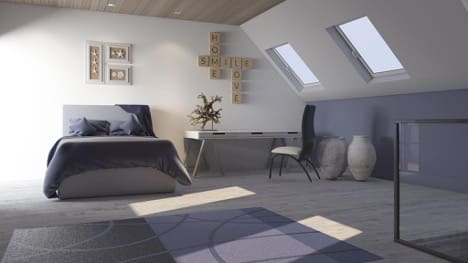
Budgeting for a loft conversion is harder than it looks. Prices quoted online often leave out key items — the staircase, electrics, Building Regulations fees, or the structural engineer’s report — and by the time those extras are added, the final bill can be thousands of pounds more than expected. Understanding the real loft conversion cost before you start means fewer surprises, a more accurate budget, and a much stronger position when comparing quotes from builders.
This guide breaks down UK prices for 2026 by conversion type, size, and finish level — and explains exactly which factors push the cost up or bring it down.
Loft Conversion Costs by Type in 2026
The biggest single factor in your final price is the type of conversion you choose. Each type involves a different level of structural work, and the costs reflect that directly.
| Conversion Type | Typical Cost Range | Best Suited For | Value Added |
| Velux (roof light) | £15,000–£25,000 | Lofts with sufficient head height already | 10–12% |
| Dormer | £30,000–£50,000 | Most property types; the most popular choice | 15–20% |
| Hip-to-gable | £35,000–£55,000 | Semi-detached and detached homes | 15–20% |
| L-shaped dormer | £40,000–£60,000 | Victorian terraced houses | 18–22% |
| Mansard | £45,000–£70,000+ | Maximum space; planning permission usually required | 20–25% |
| Bungalow loft conversion | £30,000–£50,000 | Bungalows; can effectively create a full second floor | Up to 30% |
These figures assume a basic single-room fit-out without an en-suite. Adding a bathroom will typically add £3,500–£8,000 depending on the specification, and the cost per square metre across all types ranges from roughly £1,200 to £2,500/m² — noticeably cheaper than a single-storey rear extension, which typically runs to £1,800–£3,000/m².
What’s Included — and What’s Often Left Out
One of the most common frustrations homeowners have with loft conversion quotes is discovering that items they assumed were included are actually extras. Before signing anything, make sure you know exactly what the price covers.
What a Reputable Quote Should Include
- Structural engineer’s calculations — required for Building Regulations; should not be an add-on
- Building Regulations application fee — typically £800–£1,500 depending on your local authority
- Loft staircase supply and installation — a quality staircase costs £2,000–£5,000 fitted
- Insulation to current Building Regs standard — minimum 270mm depth required
- First-fix electrics and lighting — basic circuit installation to the new room
- Plastering and basic decoration — walls and ceilings ready to paint
- Scaffolding erection and removal — often quoted separately; clarify upfront
Always request a fully itemised quote. A builder who can explain every line item is far more likely to deliver on budget than one who offers a single round number.
Key Factors That Affect Your Final Price
Even two houses on the same street can produce very different loft conversion quotes. Here is what drives those differences.
| Cost Factor | Impact on Price |
| Location in the UK | London and the South East typically attract a 20–30% premium over the Midlands and North |
| Roof structure type | Trussed rafter roofs cost more to open up than traditional cut roofs; add £3,000–£6,000 |
| Head height | Less than 2.2m may require a dormer or structural roof raise, increasing cost significantly |
| En-suite bathroom | Adds £3,500–£8,000 depending on fixtures and complexity of plumbing run |
| Finish level | Standard vs. high-spec finishes (flooring, joinery, windows) can add £5,000–£15,000 |
| Access and site constraints | Tight access, restricted parking for skips, or scaffolding on a busy road can all add cost |
| Party wall agreements | Required for terraced and semi-detached homes; surveyor fees of £700–£2,000 per neighbour |
Hidden Costs Most Homeowners Overlook
Beyond the builder’s quote, there are several additional costs that regularly catch homeowners off guard. Factoring these in from the start will give you a far more accurate overall budget.
Additional Costs to Budget For
- Party wall surveyor — £700–£2,000 per adjoining property if you share a wall
- Architect or designer fees — £1,500–£4,000 for drawings, particularly if planning permission is needed
- Planning permission application — £258 in England (2026 rate) if your project exceeds Permitted Development limits
- Home insurance notification — failure to notify your insurer of major structural works can invalidate your policy
- Furniture and fitting out — beds, wardrobes, and built-in storage for a bedroom can add £2,000–£8,000+
- Temporary accommodation — rarely necessary, but larger or more disruptive projects may make it worth considering
Is a Loft Conversion Worth the Investment?
Added Property Value
A well-executed loft conversion typically adds between 10% and 20% to a property’s market value. On an average UK home valued at £290,000, that represents an uplift of £29,000–£58,000 — often exceeding the cost of the work itself. The return is strongest in areas where bedroom count has a significant effect on price, particularly in cities and commuter towns.
Loft Conversion vs. Other Home Improvements
Compared with a rear extension (£30,000–£60,000+) or a basement conversion (£40,000–£100,000+), a loft conversion consistently offers the best cost-per-square-metre ratio for adding habitable space. It also avoids the loss of garden space that a ground-floor extension typically requires.
Saving Money Without Cutting Corners
- Get a minimum of three itemised quotes and compare them line by line, not just on the total
- Schedule work in autumn or winter when builders tend to have more availability and competitive pricing
- Agree a clear payment schedule tied to project milestones — never pay more than 10–15% upfront
- Consider a Velux conversion if your head height allows — it is the simplest and most affordable route
- Combine the loft conversion with other planned maintenance (re-roofing, rewiring) to reduce scaffold costs
Find Out What Your Loft Conversion Will Really Cost
Compare quotes from vetted loft conversion specialists in your area. Post your job for free and receive up to three competitive quotes — with full pricing breakdowns and no obligation to hire.
