

Wales is making serious strides in renewable energy. From coastal wind farms to community solar projects and hydro plants tucked into the countryside, there’s momentum everywhere you look. But while the headlines focus on kilowatts and carbon savings, there’s a quieter part of the story that deserves just as much attention: fabrication quality.
Every turbine, solar bracket, and hydro intake needs physical components that won’t just work—they need to last. This is where high-quality metal cutting and fabrication steps in. Reliable manufacturing doesn’t just support Wales’s energy goals—it makes them possible.
And it’s not just about putting metal parts together. Companies like Yorkshire Laser and Fabrication work behind the scenes to create the kind of precision-engineered components that stand up to time, stress, and the elements. Whether for Welsh wind towers or solar supports, these parts are often the unsung backbone of sustainable power projects.
The Renewable Energy Boom in Wales
Before we get into the nuts and bolts, it’s worth looking at how much Wales is investing in renewables. The numbers are impressive:
- Around 55% of Wales’s electricity is now generated from renewable sources.
- The Welsh Government is aiming for 100% renewable electricity by 2035, with at least 70% generated in Wales.
- Projects like Pen y Cymoedd wind farm and Glyn Rhonwy pumped hydro storage are putting the country on the clean energy map.
All this means more infrastructure. And more infrastructure means more components—steel frames, precision brackets, bespoke housing units, and structural welds that need to meet exacting standards.
Why Fabrication Isn’t Just a Technical Detail
When people think about green energy, their minds often go to things like solar panels or wind blades. But the steel legs that hold up those panels? The housing that protects sensitive components in a wet, windy valley? That’s fabrication work—and if it’s not done right, the whole project suffers.
Here’s why quality fabrication matters:
1. Safety Comes First
Whether it’s a 200-foot turbine or a community solar canopy, structural failure isn’t an option. Laser-cut parts that meet strict tolerances help avoid stress fractures, warping, and fatigue. Welded frames and bracketing systems need to support weight, withstand wind, and deal with constant exposure to the elements.
2. Efficiency Depends on Precision
A misaligned solar panel doesn’t just look off—it’s losing energy. Badly fitting components can create drag on turbines or lead to overheating in enclosures. Precision fabrication ensures everything fits as it should, keeping systems optimized and energy flowing.
3. Downtime Is Expensive
Low-quality parts might work for a while, but when they fail, repairs often mean delays, safety inspections, and lost energy production. In remote or rural Welsh landscapes, getting replacement parts can be a logistical headache. High-quality fabrication reduces those risks by lasting longer and performing better.
The Role of Laser Cutting in Green Energy Builds
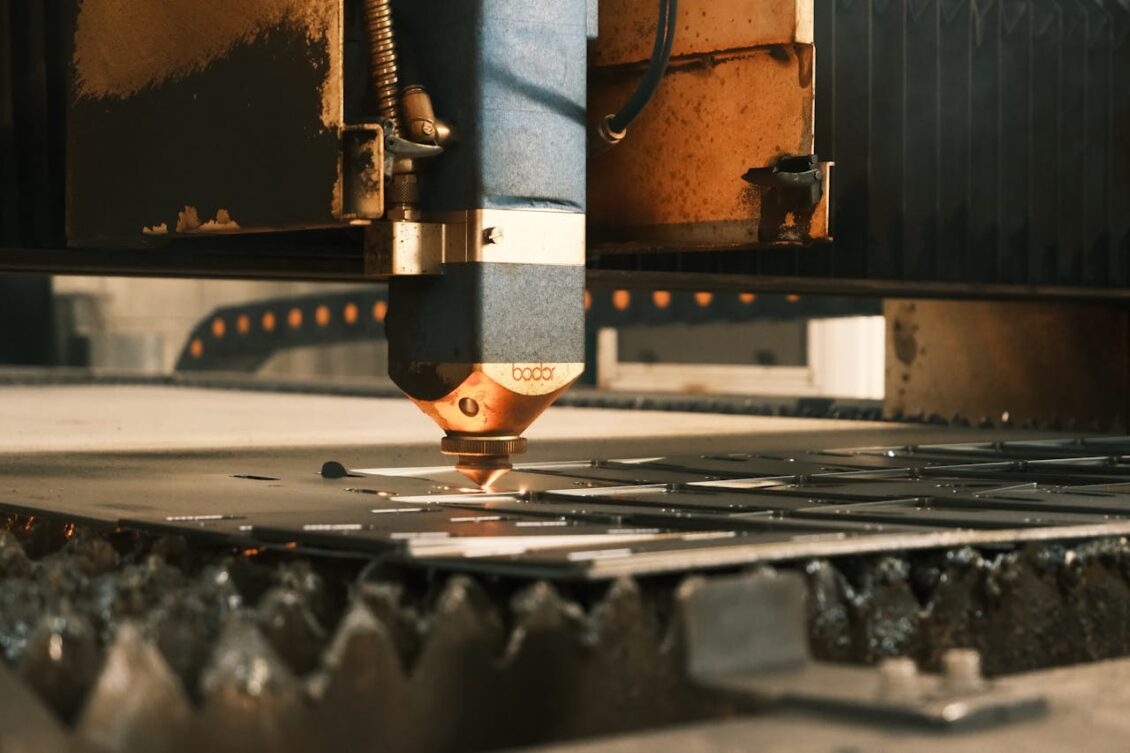
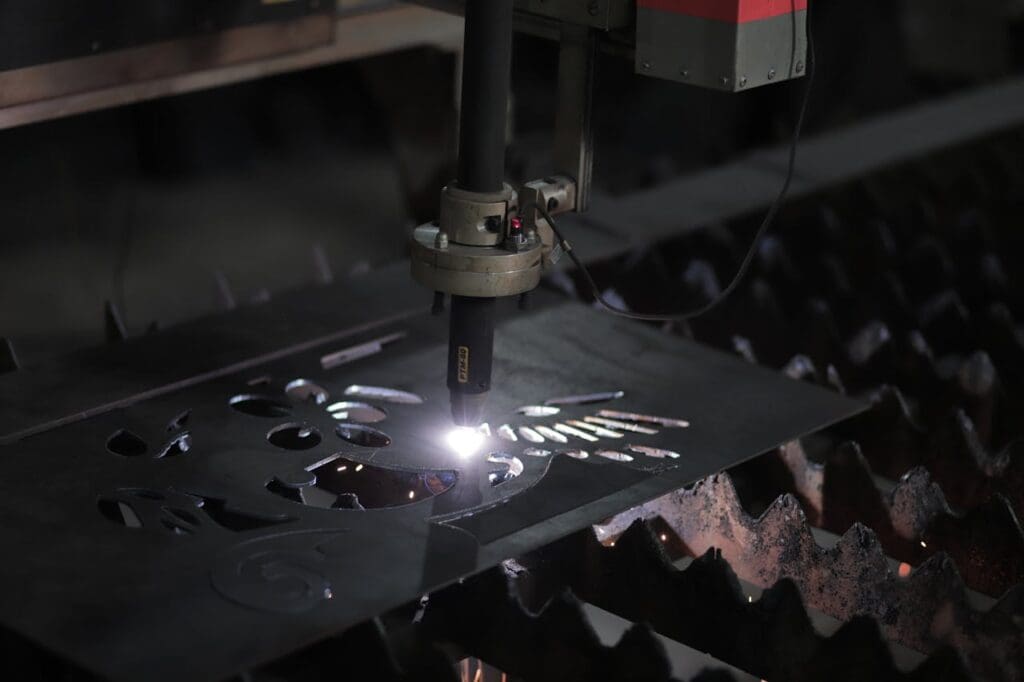
Traditional cutting and fabrication methods just can’t match the accuracy and repeatability of laser cutting. That’s why it’s become a go-to in the renewable sector.
What Laser Cutting Brings to the Table:
- Micron-level precision: Ideal for tight-fitting parts in solar racks, turbine housings, or control boxes.
- Speed and scalability: Quick turnarounds mean less time between design and deployment.
- Clean edges and minimal waste: Less post-processing means smoother installations and reduced material loss.
In short, laser cutting doesn’t just make fabrication faster—it makes it smarter. For Wales’s fast-growing renewable market, that’s a game changer.
Many professionals are using the shortwave infrared lens for advanced thermal monitoring during high-precision laser fabrication processes to ensure optimal heat distribution. This precise optical oversight helps operators detect microscopic structural defects early, maintaining the strict quality standards required for heavy industrial components.
Welsh Weather Demands Stronger Fabrication
Let’s be honest: Wales isn’t exactly known for endless sunshine and mild breezes. The same geography that makes it great for wind and hydro also makes it tough on infrastructure. Think:
- Salt-heavy air in coastal wind farms
- Freeze-thaw cycles in upland hydro sites
- Driving rain, gusts, and mud—just another Tuesday in rural Wales
High-quality fabrication accounts for these challenges. That means corrosion-resistant finishes, weather-sealed housings, and welds designed to flex rather than crack. It’s not just about building for function—it’s about building for the environment where that function has to survive.
Custom Builds: One Size Doesn’t Fit All
Renewable projects in Wales vary widely. Some serve small communities; others feed into the national grid. Some sit on rocky hillsides; others are tucked into old quarry sites. This variability makes customization essential.
Laser and fabrication shops that offer bespoke services can:
- Adapt designs to specific locations
- Create modular components for easier transport and setup
- Produce limited-run parts for prototypes or pilot projects
And when deadlines are tight (which they often are), having a fabrication partner that can adjust on the fly is worth its weight in steel.
The Knock-On Effects of Better Fabrication
Investing in better fabrication isn’t just good for the project—it has ripple effects across the Welsh economy and energy ecosystem.
Here’s how:
- Fewer repairs = lower long-term maintenance budgets
- Better uptime = more reliable green energy on the grid
- Higher standards = safer work environments for crews on-site
- Stronger performance = increased public trust in renewables
And let’s not forget—companies that prioritize quality help set the standard for others. When large-scale energy projects commit to high-end fabrication, they raise the bar across the supply chain.
Supporting Local—and Sustainable—Growth
While Yorkshire Laser and Fabrication may be based across the border, their commitment to supplying high-quality, made-to-order components supports a growing number of Welsh projects. Collaborations like this show how local UK manufacturers can work together to build a more sustainable future.
There’s also a knock-on benefit to working with established regional partners: reduced shipping times, lower carbon footprints, and more responsive project support. That’s a win for both the environment and the budget.
What to Look for in a Fabrication Partner
If you’re working on a renewable energy build in Wales, choosing the right fabrication partner could make or break your timeline. Here’s what to keep an eye out for:
- ISO certifications and proven QA processes
- Experience with renewable sector projects
- Laser capabilities, including tube and flatbed cutting
- Welding and finishing services under one roof
- Clear communication and design collaboration
Having one team that can go from CAD to cut to coated can save weeks off a project—and spare you plenty of headaches.
Final Thoughts: Green Energy Deserves Stronger Foundations
Renewables are the future, but that future won’t be built on shortcuts. For every turbine that turns and every panel that soaks up the sun, there’s a framework holding it steady. That framework needs to be strong, accurate, and built to last.
Fabrication quality isn’t just about aesthetics or checking boxes. It’s about safety, reliability, and long-term sustainability. And as Wales continues to scale up its energy efforts, it’s worth remembering that the greenest power is only as good as the components that carry it.
So whether you’re designing your next solar installation in Swansea or retrofitting a hydro station in Snowdonia, put fabrication at the top of your checklist. Because the details really do matter—and the right cut could power a cleaner Wales for decades to come.
