

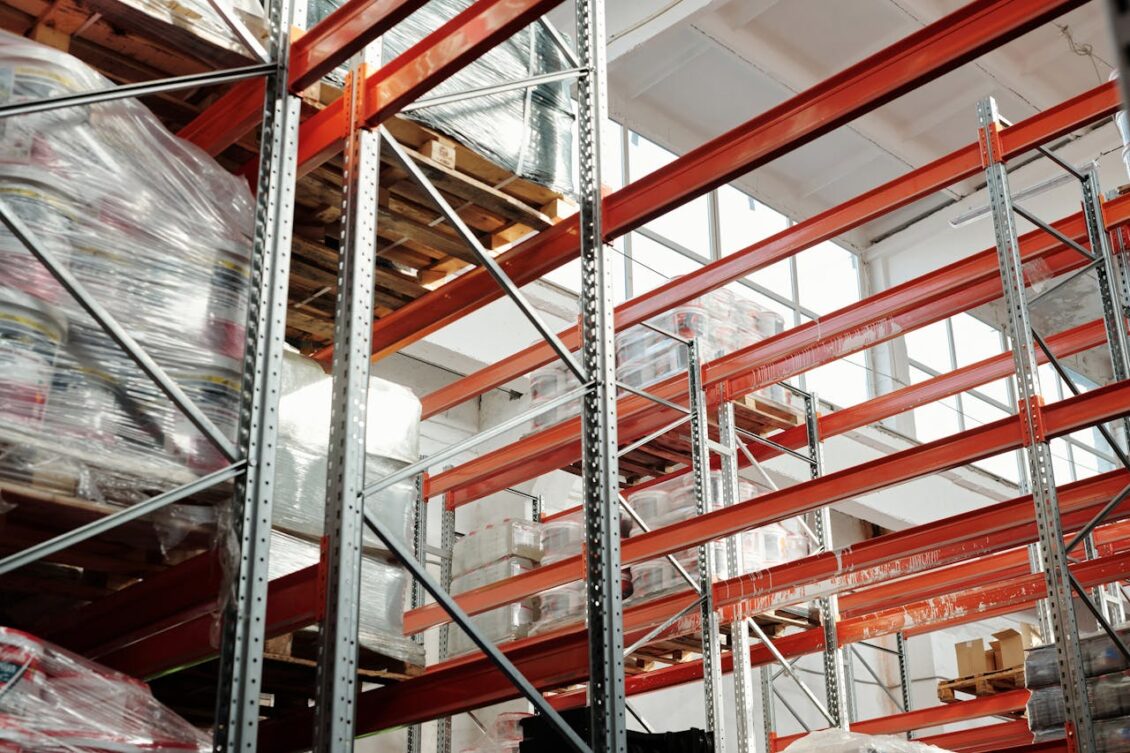
Warehouses are some of the most effective and efficient setups for managing inventories, whether you’re using them to store and ship your own products or as a service for other companies. However, given the amount of moving people, assets, and often vehicles, it should be no surprise that they can be potentially dangerous places, as well. Here, we’re going to look at what you can do to mitigate those dangers by assessing where the majority of threats lie and what you can do about them.
Slips, Trips, And Falls
These are among the most frequent warehouse accidents, often caused by wet floors, loose packaging, uneven surfaces, and trailing cables. Minor and simple as these incidents might be, they can cause serious injuries. Good housekeeping is a major key, making sure that walkways are well-lit, always kept clear of items and cables, and marked down to highlight both on-foot and in-vehicle pathways. Installing decent warehouse flooring can make sure that you’re able to provide the grip and support that your workers need, as well.
Falling Stock
One of the most serious hazards in any warehouse is the potential of stock falling, especially from above your workers. You can implement racking load notices to ensure that your workers are always kept aware of the risk. Ensure they’re trained to recognise the risk of overloading shelves or stacking pallets incorrectly, with loads being distributed evenly and the heavier items at the bottom of those loads. Safety begins with correct storage practices but your workers must always try to be vigilant when navigating around loaded shelves and to keep an eye out for potential hazards that they can report, so that the team is hopefully able to correct them.
Vehicle Collisions
A lot of warehouses use vehicles like forklifts, pallet trucks, and the like, which can be vital for quickly moving stock. However, they can also be very dangerous when not managed properly, especially if pedestrian workers and vehicles have to share space. To prevent accidents, warehouses should separate pedestrian walkways from vehicle routes wherever possible. Clear floor markings, mirrors, barriers, speed limits, and warning lights can all improve safety, but the most important factor is investing in training for your drivers to be defensive and as fully aware of their surroundings as possible.
Manual Handling Injuries
Manual handling injuries often happen when employees lift, carry, push, or pull items incorrectly. Strains, sprains, back injuries, and shoulder problems are common when workers handle heavy or awkward loads without proper support. You can offer training in safe lifting techniques, such as bending at the knees (not the back), keeping loads close to the body, and avoiding any twisting movements. However, providing lifting aids such as trolleys, hoists, and lifting belts can help workers avoid unnecessary strain, not only prevent injuries but also allow for quicker movement of stock.
Warehouse safety requires the right combination of preventative measures, effective training for the team, and constant vigilance. The threat of injury is never fully removed, so you should never feel truly comfortable either.
