

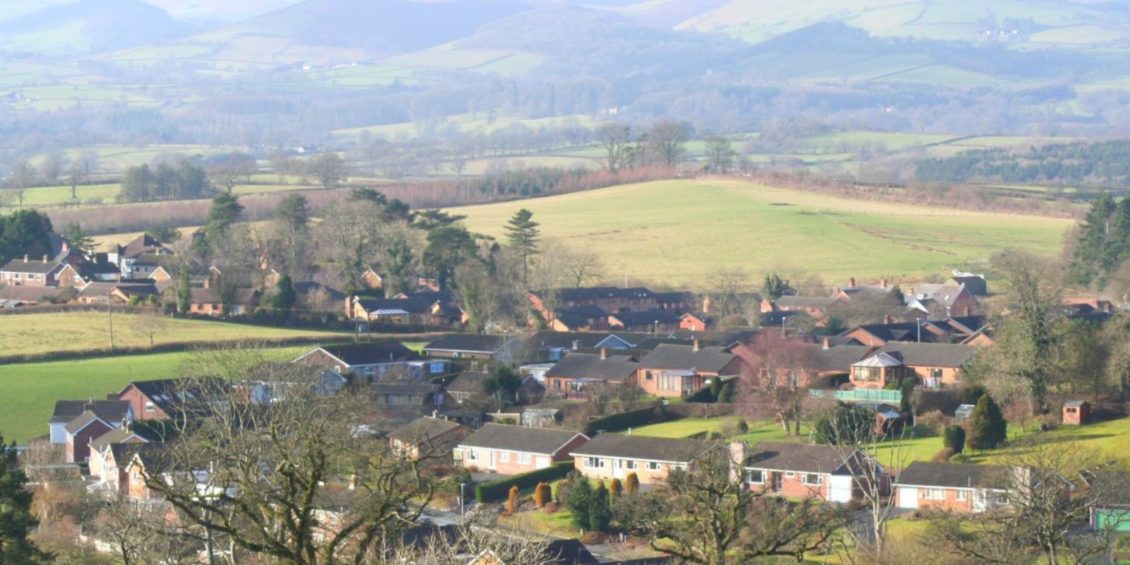
If you’ve tried to buy a cottage in rural Wales, Cornwall or a farmhouse in the Cotswolds recently, you’ll know the competition is fierce. Rural property prices across England and Wales have climbed steadily, and Land Registry data shows that detached homes outside major cities have seen some of the strongest annual growth.
But the people driving this demand aren’t one uniform group. They’re a mix of investors, retirees and younger professionals, each with very different reasons for heading to the countryside. Let’s take a closer look at who they are and what’s pulling them out of the cities.
Holiday-Let Investors: Profit Before Postcode
The abolition of the Furnished Holiday Lettings (FHL) tax regime in April 2025 was meant to cool the investor market, but it hasn’t stopped the flow of money into rural areas entirely. According to Sykes Holiday Cottages’ Holiday Letting Outlook Report, UK holiday homeowners earned an average gross income of £25,600 per property in 2025, up from £24,700 the year before. In high-demand spots like the Lake District and Devon, yields can push well above that.
However, new council tax rules are starting to bite. Since April 2025, local authorities in England can charge a 100% council tax premium on second homes. In practice, around 71% of English billing authorities had adopted the premium by 2025, with the remainder choosing not to apply it.
Zooming in on Wales
In Wales, some councils have gone further. Gwynedd, for example, imposes a 150% council tax premium on second homes. The council also introduced an Article 4 Direction in September 2024, which required planning permission before a primary residence could be converted into a holiday let or second home.
However, this Direction was quashed by the High Court in late 2025, and a further appeal was refused in February 2026. The planning permission requirement now applies only within the Eryri (Snowdonia) National Park boundary, where a separate Article 4 Direction remains in force.
Principality Building Society’s Wales House Price Index showed that these measures contributed to a 12.4% drop in average prices in Gwynedd during late 2024, the steepest decline of any Welsh local authority.
So while investor money is still flowing into the countryside, it’s becoming more selective. Buyers are gravitating towards areas with fewer restrictions and stronger year-round demand.
Retirees and Downsizers: Swapping Space for Simplicity
Retirees represent the most established group of rural in-migrants, and their motivations haven’t changed much over the decades. Lower living costs, quieter surroundings and a slower pace of life still top the list. What has changed is the type of property they’re choosing.
Many downsizers are moving away from traditional large family homes and towards purpose-built communities that offer low-maintenance living. Park bungalow developments, for instance, have gained popularity among the over-55s who want single-storey living in a rural or coastal setting without the upkeep of a period property.
Developers like Regency Living operate developments across the South West, Norfolk, Hampshire and beyond, where owners can enjoy countryside or waterside locations within a community of like-minded neighbours.
This trend has been given a boost by the number of second homes now coming back onto the market following tax changes. As holiday-let investors sell up, downsizers are finding more suitable stock in the £200,000 to £400,000 bracket, particularly in the South West and along the Welsh coast.
Remote Workers: The Post-Pandemic Settlers
The pandemic sent a wave of workers out of London and other major cities, and many haven’t gone back. ONS data shows that over 40% of UK workers now spend at least part of their week working from home. Research published in 2025 by Taylor & Francis confirmed that remote workers are significantly more likely than office-based workers to relocate to rural areas.
Devon and Cornwall were among the areas most affected, with average house prices rising by roughly 29% and 34% respectively between 2020 and 2022, driven in large part by pandemic-era demand from remote workers. While some of that growth has cooled, the hybrid-working model has created a permanent pool of buyers who prioritise broadband speed and home office space over proximity to a train station. These buyers tend to be younger, often in their 30s and 40s, and they’re looking for detached homes with gardens rather than flats or terraces.
It’s worth noting, though, that not all rural areas have benefited equally. Broadband black spots and limited local services can put off remote workers who still need reliable connectivity for their jobs.
What This Means for Rural Communities
The influx of new residents brings obvious benefits. Local shops, pubs and tradespeople all gain from a larger permanent population. But there are tensions too. In areas where wages are lower and housing stock is limited, competition from wealthier incomers can price out local buyers, particularly first-time purchasers.
Councils are responding with a mix of planning restrictions and premium charges, but the picture is uneven. Some areas are welcoming new arrivals with open arms, while others are actively trying to limit the number of second homes and short-term lets.
The Big Picture
The UK’s rural property boom isn’t driven by a single group. It’s a collision of investors chasing yields, retirees looking for a quieter life and remote workers who no longer need to live near the office. Each group brings different pressures and different benefits to the communities they join.
If you’re thinking about a move to the countryside yourself, it’s worth researching the local dynamics carefully, because the experience you’ll get will depend heavily on where you land and who your neighbours turn out to be.
