

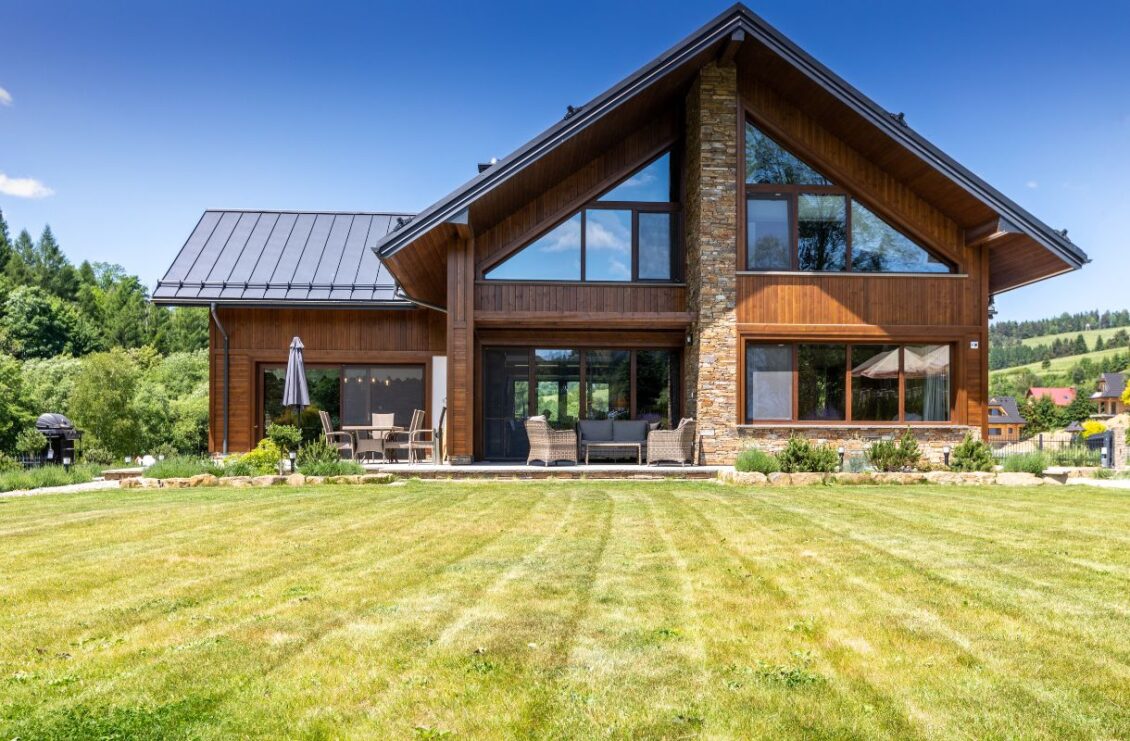
A material that has been used in construction for centuries remains at the heart of the most demanding architectural projects. Today, the combination of advanced machining and expert craftsmanship makes it possible to produce window structures of exceptional longevity. The finished profiles withstand changing weather conditions while retaining the raw, natural character of timber.
Material Selection and Frame Performance
The species of timber used determines the structural properties, durability and grain pattern of the finished product. The manufacturing process relies on carefully selected pine, spruce and exotic meranti. Before the timber reaches the main production stage, it is precisely cut using automated machinery and rigorously inspected for knots and other material irregularities. Rejecting defective batches at the outset helps to prevent future warping and frame defects.
The width of the frame has a direct impact on the thermal and acoustic performance of the entire glazed unit. Three profile thicknesses are available: 68mm, 78mm, and 92mm. Choosing a particular section affects the amount of raw material required, which naturally influences the overall cost of the investment. Does a thicker frame always mean a better solution? In energy-efficient buildings and in locations exposed to strong winds, 92mm profiles are often the most effective choice.
Advanced Processing, Hand-Finished Detail
Advanced machinery ensures consistency, but the finer details define the final result. The timber is protected using innovative PowerFeed technology, which is based on the application of three protective layers. This process includes thorough impregnation, coating and final surface polishing. The last stage is still carried out by hand, allowing the natural beauty of the timber to be brought out while achieving an impeccably smooth finish.
For a more traditional appearance, investors often opt for classic wooden windows, which sit comfortably within the strict requirements set by heritage conservation authorities in protected areas. When properly prepared and finished, the material gains excellent resistance to moisture, rot and pests. Manual quality control also covers the precise fitting of hardware, including handles, hinges, locks and smart sensors, which helps to minimise the risk of faults in the future.
Profile Design and Colour Options
The shape of the profile and the milling of the glazing beads give the joinery its final visual character. Manufacturers offer a range of options tailored to the style of the building. Available variants include:
- The DDF series, defined by a simple, minimalist and classic profile shape.
- The DDR line, distinguished by a more rustic, sculpted and decorative finish.
- Options with internal and external glazing bars, echoing the traditional division of glass panes.
The surface finish allows for full customisation of the frame. Those who prefer visible grain usually choose translucent stains in shades such as light pine, dark teak or mahogany. Alternatively, fully opaque coatings are available across the full RAL range. In both period and contemporary buildings, colours such as Dark Grey Azure, Palisander Classic, Nut Classic and timeless white remain popular choices.
Natural Insulation
Timber is naturally an effective insulator, which helps to retain heat within living spaces. When paired with suitable double- or triple-glazed units, these frames can significantly reduce energy loss. In triple-glazed versions, the additional pane of glass and insulating gas create a powerful barrier against the cold. Is it worth investing in the thickest glazing packages? In harsh coastal climates, it is often the only way to achieve reliable thermal comfort.
The finished units can be opened in several ways, including side-hung, tilt and tilt-and-turn configurations, making everyday ventilation easier. After each window has been manually inspected, the products are carefully packed and delivered to site using the manufacturer’s own transport fleet. This logistics model helps to eliminate the risk of frame damage in transit.
Built for Decades
The use of a renewable material combined with a three-layer protection system results in frames designed for decades of continuous use. Careful selection of pine, spruce and meranti, rigorous rejection of defective material, and hand polishing all contribute to durability in harsh weather conditions. Thanks to a wide range of profile thicknesses, glazing options and milling styles, this natural material can be shaped to meet the technical demands of contemporary architecture with precision.
