

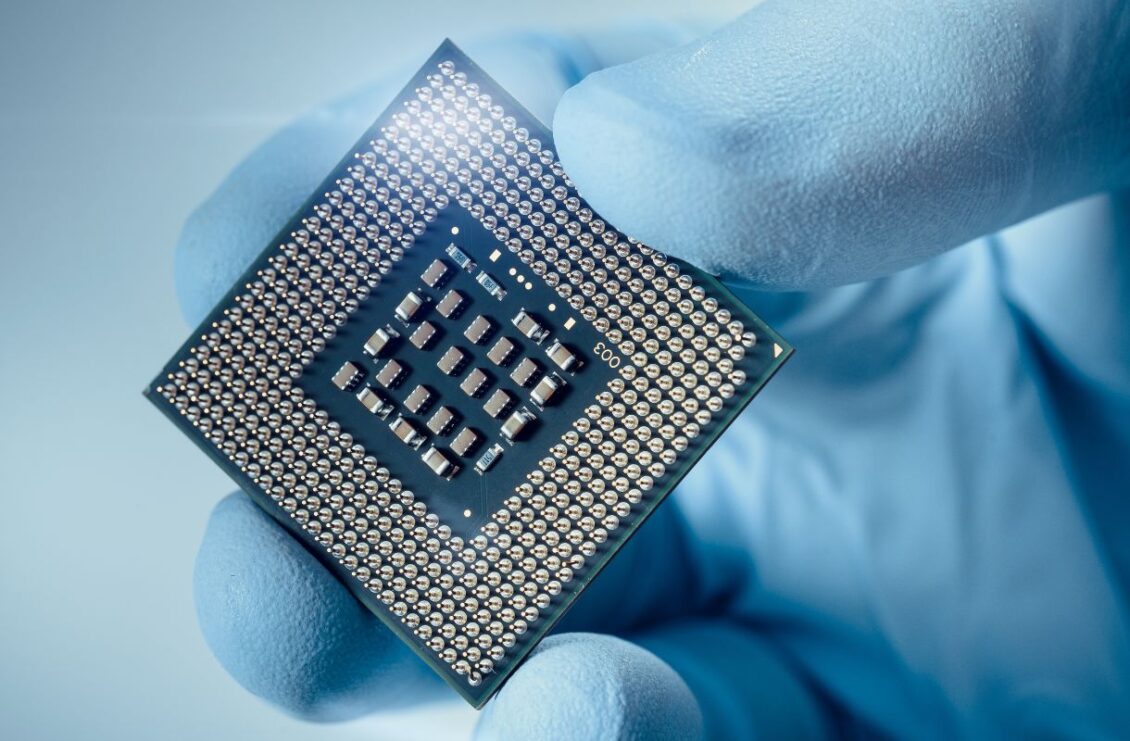
The global surge in demand for semiconductor chips is reshaping economies around the world. This article explores why that boom matters specifically for Wales, and how it could influence jobs, investment and long-term growth.
The Global Chip Boom Explained
Over the past decade, semiconductors have quietly become one of the most important building blocks of the modern economy. From smartphones and electric vehicles to data centres and artificial intelligence, almost every advanced technology depends on chips. When supply chains were disrupted during the pandemic, it exposed just how critical they are.
Investors have also taken notice. Conversations around the nvidia stock price prediction 2030 reflect wider expectations that demand for chips, especially those used in AI and high-performance computing, will continue to rise sharply. This growing optimism is not limited to Silicon Valley. It is influencing policy decisions, industrial strategies and regional development plans across Europe, including in the UK.
Governments are now competing to attract semiconductor investment, recognising that domestic capability in this sector is tied to economic resilience and national security.
Wales and Its Industrial Foundations
Wales has a long industrial history, traditionally built around coal, steel and manufacturing. While those sectors have declined over time, they left behind a skilled workforce and a strong engineering culture. This foundation is more relevant than it might seem.
Semiconductor manufacturing and related industries require precision engineering, advanced materials knowledge and technical expertise. These are areas where Wales already has experience. Existing clusters in electronics and compound semiconductors, particularly in South Wales, give the region a credible starting point.
The Compound Semiconductor Cluster in Cardiff, for example, has positioned Wales as a niche but growing player in the global chip ecosystem. Rather than competing directly with large-scale chip fabrication plants in Asia or the United States, Wales is focusing on specialised technologies such as compound semiconductors used in 5G, defence and advanced sensing.
Investment and Job Creation
One of the clearest ways the chip boom affects Wales is through investment. As global demand rises, companies are looking for locations with the right mix of talent, infrastructure and government support.
Wales has already seen increased interest from both domestic and international investors. Public funding, including support from the UK Government and Welsh Government, has helped attract research facilities and private-sector partnerships.
This translates directly into jobs. Semiconductor-related roles tend to be high-skilled and well-paid, ranging from research scientists and engineers to technicians and supply chain specialists. For a region that has historically faced economic challenges and lower average wages in some areas, this is significant.
Moreover, the impact is not limited to direct employment. There is a multiplier effect. Suppliers, logistics providers and service companies all benefit when a high-tech industry expands. Over time, this can help create a more diverse and resilient local economy.
Education and Skills Development
A booming industry needs a steady pipeline of talent. This is where Wales has both an opportunity and a challenge.
Universities in Wales, particularly those with strong engineering and physics departments, are already involved in semiconductor research and training. Collaboration between academia and industry is becoming more common, helping students gain practical experience and making graduates more job-ready.
However, scaling this up is not straightforward. The semiconductor sector evolves quickly, and education systems need to keep pace. That means updating curricula, investing in specialised equipment and encouraging more students to pursue STEM subjects.
If Wales can align its education system with industry needs, it could strengthen its position in the global chip supply chain. If not, it risks missing out on some of the long-term benefits.
Strategic Importance for the UK
The relevance of the chip boom goes beyond regional economics. For the UK as a whole, semiconductors are increasingly seen as a strategic asset.
Recent global tensions and supply chain disruptions have highlighted the risks of relying too heavily on imports. By developing domestic capabilities, even in specialised areas, the UK can reduce its vulnerability.
Wales plays a role in this strategy. Its focus on compound semiconductors complements broader UK efforts to build a more secure and innovative technology base. In that sense, investment in Welsh semiconductor capabilities is not just about local growth. It is part of a national agenda.
Challenges and Limitations
Despite the opportunities, it would be unrealistic to assume that Wales will become a global semiconductor powerhouse overnight. The industry is highly capital-intensive. Building large-scale fabrication plants costs billions, and competition from established hubs is fierce.
There are also infrastructure challenges. Reliable energy supply, transport links and access to international markets all matter. While Wales has strengths, it will need continued investment to remain competitive.
Another issue is scale. Many Welsh initiatives are relatively small compared to global giants. This is not necessarily a weakness, but it does mean that success will likely come from specialising rather than trying to compete across the entire value chain.
Looking Ahead
The chip boom is set to continue as AI, electric vehicles and connected devices drive demand. For Wales, this is a clear opportunity to build on its strengths, attract focused investment and develop skilled talent. Over time, this could mean more high-value jobs and a stronger role in advanced manufacturing, helping the region stay competitive in a technology-driven economy.
