

Introduction: Market Demand and Operational Importance in Canada
Canada continues to invest in transportation infrastructure, commercial construction, and utility upgrades. These projects require stable soil preparation to support roads, walkways, pipelines, and foundations. A heavy-duty plate compactor plays an important role in these operations by improving ground density and reducing settlement risks. For equipment managers and procurement teams, compactors are essential for maintaining productivity and meeting project specifications in urban and rural environments.
Technical Overview and Common Applications
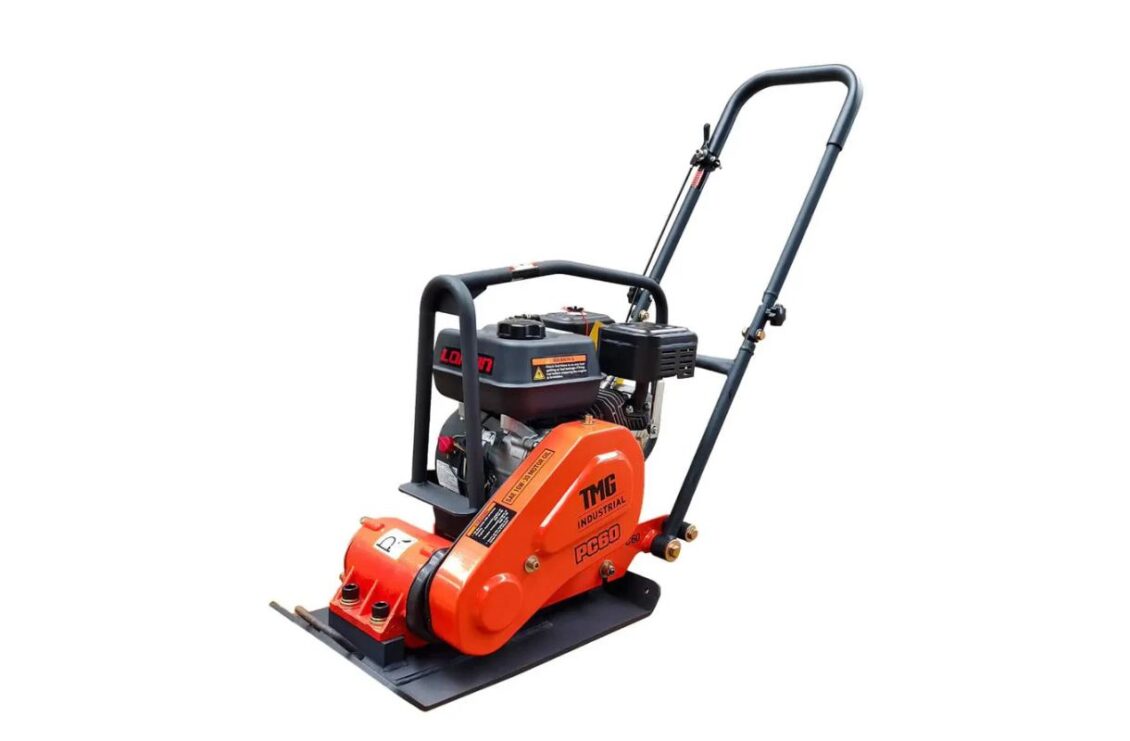
A plate compactor uses vibration and downward force to compress soil, gravel, or asphalt surfaces. The 2380 lbs heavy-duty plate compactor operates with an engine-driven vibration system that transfers force through a steel plate into the ground surface.
Typical Applications
- Road and sidewalk preparation
- Foundation and trench backfill compaction
- Landscaping and paving projects
- Utility and pipeline installation work
Importance of Efficiency and Productivity
Compaction quality directly affects the durability of construction surfaces. Poorly compacted soil may lead to cracking, shifting, or structural instability. A heavy-duty plate compactor improves productivity by covering large work areas efficiently while delivering consistent compaction depth. Reliable compaction reduces the need for rework and helps projects remain on schedule.
Technical Considerations and Capabilities
Several factors should be evaluated before selecting a plate compactor:
- Compaction force and vibration frequency
- Soil type and moisture level
- Engine power and fuel efficiency
- Plate size and operating weight
Granular materials such as sand and gravel compact differently from clay-based soils. Operators must match equipment capability with site conditions to achieve proper density levels.
Factors Affecting Performance and Safety
Machine performance depends on maintenance quality, operating speed, and environmental conditions. Excessive moisture may reduce compaction effectiveness, while dry loose soil may require multiple passes. Uneven surfaces can also affect operator control and equipment stability.
- Inspect vibration components regularly
- Monitor engine condition and fuel quality
- Maintain proper operating speed
- Use suitable compaction patterns for the surface area
Safety Considerations and Best Practices
Safe operation is important when working with vibration equipment. Operators should receive training before using heavy-duty compactors on active construction sites.
- Wear hearing and eye protection during operation
- Inspect handles and vibration controls before use
- Keep clear of unstable trench edges
- Shut down the engine before maintenance or transport
- Maintain stable footing on uneven terrain
Equipment Types and Accessories
Plate compactors are available in forward and reversible configurations. Accessories may include transport wheels, water tanks for asphalt work, and protective engine covers. Some operations also use compaction testing tools to confirm density levels after surface preparation.
Advantages and Limitations
Advantages:
l Improves ground stability and surface durability
l Supports faster project completion
l Suitable for multiple construction applications
Limitations:
l Performance varies with soil conditions
l Produces vibration and operational noise
l Requires routine maintenance for long service life
Real-World Example
A municipal utility contractor in Ontario used a heavy-duty plate compactor during trench restoration work for underground cable installation. The equipment improved soil density around the trench line and reduced surface settlement after paving. The project team completed restoration work within the planned schedule while meeting local construction standards.
Conclusion and Future Industry Trends
The 2380 lbs heavy-duty plate compactor remains an important tool in infrastructure and construction projects across Canada. Its ability to improve soil stability supports long-term structural performance and operational efficiency. Future industry trends may include lower emission engines, improved vibration control systems, and digital compaction monitoring technology. These developments will continue to improve safety, productivity, and equipment reliability in construction environments.
