

If you are looking for a way into self-employment without a huge outlay, PAT testing deserves a serious look. It offers a real skill, steady demand, and low start-up costs, all rolled into one. For the right person, it can quickly become a genuinely rewarding and flexible business.
PAT stands for Portable Appliance Testing, the routine safety checking of electrical equipment. Because so many businesses need it, starting a PAT testing business is a popular route into running your own venture. This guide walks through what the work actually involves, how to begin, and what it really takes to succeed at it.
Why Is PAT Testing a Good Business?
The appeal comes down to demand and simplicity. Almost every workplace has electrical equipment that needs regular checking for safety. That creates a steady, repeatable stream of customers.
The barriers to entry are refreshingly low. You do not need a degree or years of training, just a short course and the right tester. It also offers real flexibility, letting you fit work around other commitments. Better still, the work brings repeat business, since testing is done on a regular cycle. Reliable demand and modest costs make it an attractive first venture.
What Does the Work Involve?
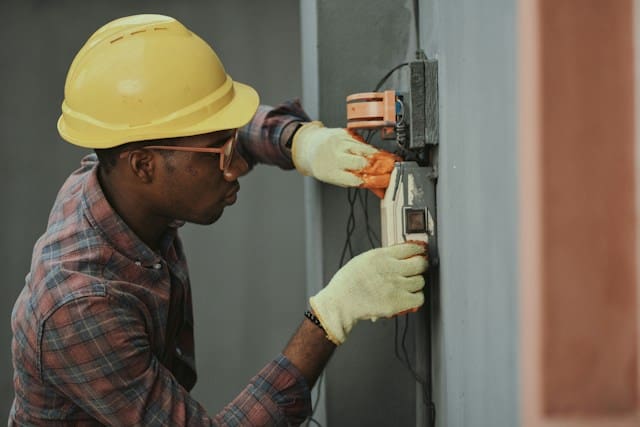
The job itself is practical and methodical. You visit a client, check their electrical appliances, and record the results. It suits anyone who is careful and organised.
A typical role includes:
- Inspecting. Checking plugs, cables, and casings.
- Testing. Using a PAT machine on each appliance.
- Labelling. Marking items as passed or failed.
- Recording. Logging results for the client.
None of this is complicated once you are trained. Attention to detail matters far more than technical wizardry. Clear, accurate records are what clients value most, since they prove compliance. The routine nature of the work is part of its appeal.
How Do You Get Started?
Getting going is more straightforward than many expect. A clear sequence takes you from idea to first customer. Each step is manageable on its own.

Follow these steps to begin:
- Train. Complete a recognised PAT testing course.
- Equip. Buy a good-quality PAT tester.
- Register. Set up as self-employed or a company.
- Insure. Arrange the right liability cover.
Official guidance on working for yourself walks through registering as a sole trader. If you would rather form a company, the process to set up a company is well documented too. Choosing the right structure early saves hassle later on.
What Will It Cost to Set Up?
The low start-up cost is a major draw. Compared with most businesses, the outlay is small and quick to recoup. A little budgeting gets you launched.
Typical start-up costs include:
- Training. A recognised PAT testing course.
- Tester. A reliable PAT testing machine.
- Insurance. Public liability cover for the work.
- Extras. Labels, a printer, and transport.
Your main expenses are training, a tester, and insurance, which together can come to well under 1,000 pounds. A quality PAT tester is the single biggest item, but it lasts for years. From there, each job you win starts paying that investment back. As one of many lean Welsh Small Businesses, a PAT venture can grow steadily without heavy borrowing.
How Do You Find Customers?
A skill is only a business once people are paying for it. Fortunately, the need for PAT testing is widespread and constant. Winning work is very achievable with a little effort.
Local offices, shops, landlords, and schools all require regular testing. Networking, a simple website, and word of mouth all bring in early clients. Being reliable and easy to deal with matters as much as the testing itself. The strong consumer demand for reliable local services works firmly in your favour. Deliver good, punctual work, and repeat bookings soon follow.
Building a Business That Lasts
A PAT testing business rewards diligence more than flair, which makes it accessible to almost anyone willing to learn. Train properly, invest in a good tester, set up correctly, and treat every client well. The combination of low costs, steady demand, and repeat work gives you a solid foundation. Build it carefully, and a modest start-up can grow into a dependable, lasting livelihood.
Frequently Asked Questions
Do I Need Qualifications to Start PAT Testing?
There is no single legal qualification required by law, but a recognised PAT testing course is strongly advised and expected by clients. It teaches you to test safely and correctly, and it reassures customers of your competence. Combined with the right tester and insurance, that training is really all you need to begin offering a professional service.
How Much Can I Earn From PAT Testing?
Earnings depend on how many clients you win and how efficiently you work, since testing is often priced per appliance or per visit. Because the work is repeat business on a regular cycle, a steady client base builds reliable income over time. Many run it as a flexible sideline before growing it into a full-time occupation.
Is There Really Demand for PAT Testing?
Yes, and it is remarkably steady. Offices, shops, rental properties, schools, and countless other workplaces all need their electrical equipment checked regularly for safety. Because that requirement recurs, satisfied clients tend to rebook year after year. This dependable, repeating demand is one of the main reasons PAT testing appeals to people starting their own business.
What Equipment Do I Need to Begin?
The essential item is a good-quality PAT tester, which handles the actual safety checks. Beyond that, you need some basic accessories, a way to print or record labels and certificates, and reliable transport to reach clients. The total outlay is modest compared with most trades, which is a large part of why PAT testing is such an accessible business to start.
