

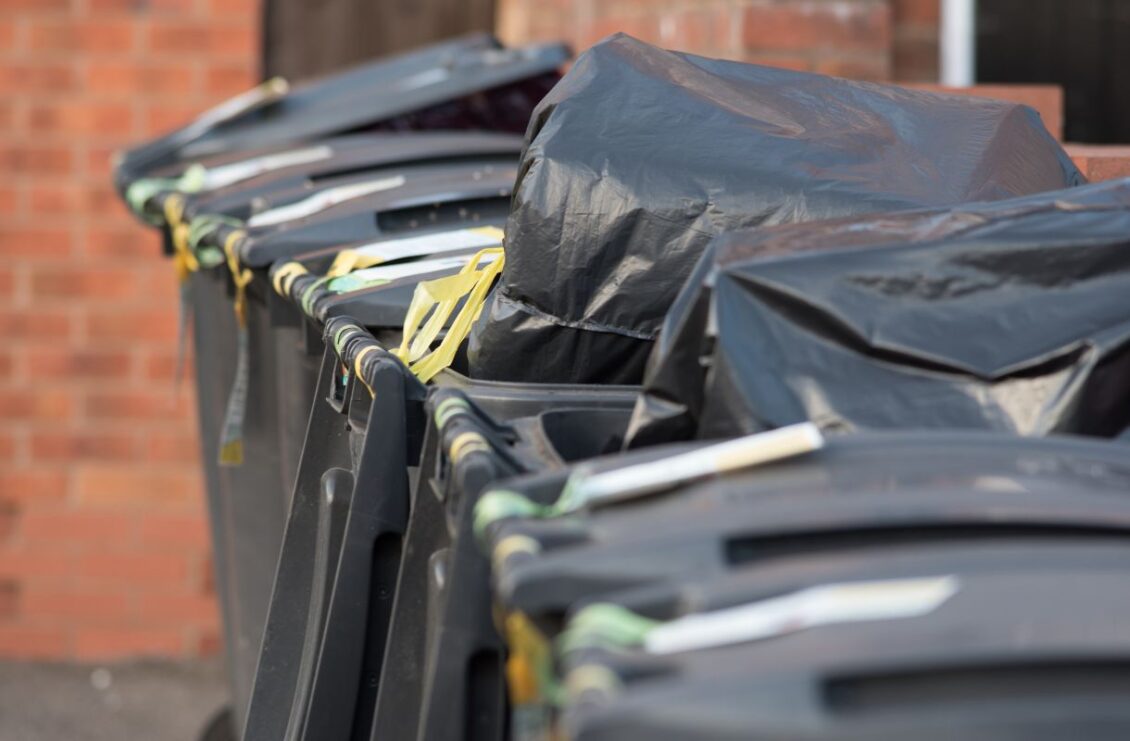
Cardiff Council is setting out further steps to improve the city’s recycling and composting rate, as it strives towards the Welsh Government’s 70% target.
Recycling and composting targets in Wales are set in law by the Welsh Government, with the target set higher in Wales compared with other parts of the United Kingdom. Failure to meet the targets can result in significant fines, with a possible fine of £200 for every tonne that is not recycled.
Recycling in Cardiff has improved in recent years, rising to 64% in 2024/25, but there is still significant potential to recycle more household waste. Around 60% of waste currently placed in black bins or black bags could be recycled, with 43% of this waste able to be recycled through the current kerbside recycling collections.
This percentage equates to 19,000 tonnes of waste, which could increase the city’s recycling rate by up to 9.7%. The Waste & Resources Action Programme (WRAP) has estimated that, through further interventions, the city’s recycling and composting rate could increase by between 3.9% and 6.9%, depending on uptake by residents.
The recycling and composting rate for the first quarter of this financial year is currently 66.1%, made up of 42.55% dry recycling and 21.58% food and garden waste.
To build on this progress, the Council is proposing two key service changes.
- From April 2026, collections of absorbent hygiene products, such as nappies and incontinence waste, will move from a fortnightly collection to weekly. This change will make it easier for households to recycle this material and is expected to increase the number of people using the service, which in turn will increase the recycling rate.
- From summer 2026, the Council will also introduce a new service to recycle soft plastics, such as plastic packaging and crisp packets. Additional recycling bags will be provided for this service, which will be collected alongside the existing kerbside recycling service.
Together, these changes form part of Cardiff’s Path to 70% plan, which sets out a range of measures to increase recycling, reduce waste placed in black bins and bags, and avoid potential financial penalties. If approved, the proposals will ensure residents are able to recycle more products from their homes, helping to move more recyclable waste out of black bins and sacks and into recycling.
Cardiff Council’s Cabinet will discuss the city’s recycling rate and how it can be increased further through these two new interventions at its meeting on Thursday 19th March.
Cllr Norma Mackie, Cabinet Member for Waste, Street Scene & Environmental Services, said: “Working with WRAP, the Council has undertaken a significant amount of modelling to understand how we can increase the city’s recycling and composting rate to meet the challenging target ahead of us. The figures show that, although it will be a challenge, it is achievable, but we need all residents to help by playing their part and recycling and composting as much of their waste as possible.
“Cardiff has a high proportion of high-density housing, with 26.5% of people living in flats. The average recycling rate from flats across the city is typically much lower, with around 40% of waste recycled from these properties. This is why we have delivered a new recycling scheme for these properties, working with management agencies to ensure leaseholders are aware of the scheme and how to use it.
“Public information campaigns will be designed to support the two new interventions planned for April and summer this year, so we can continue to increase the city’s recycling rate and divert even more waste away from incineration.”
