

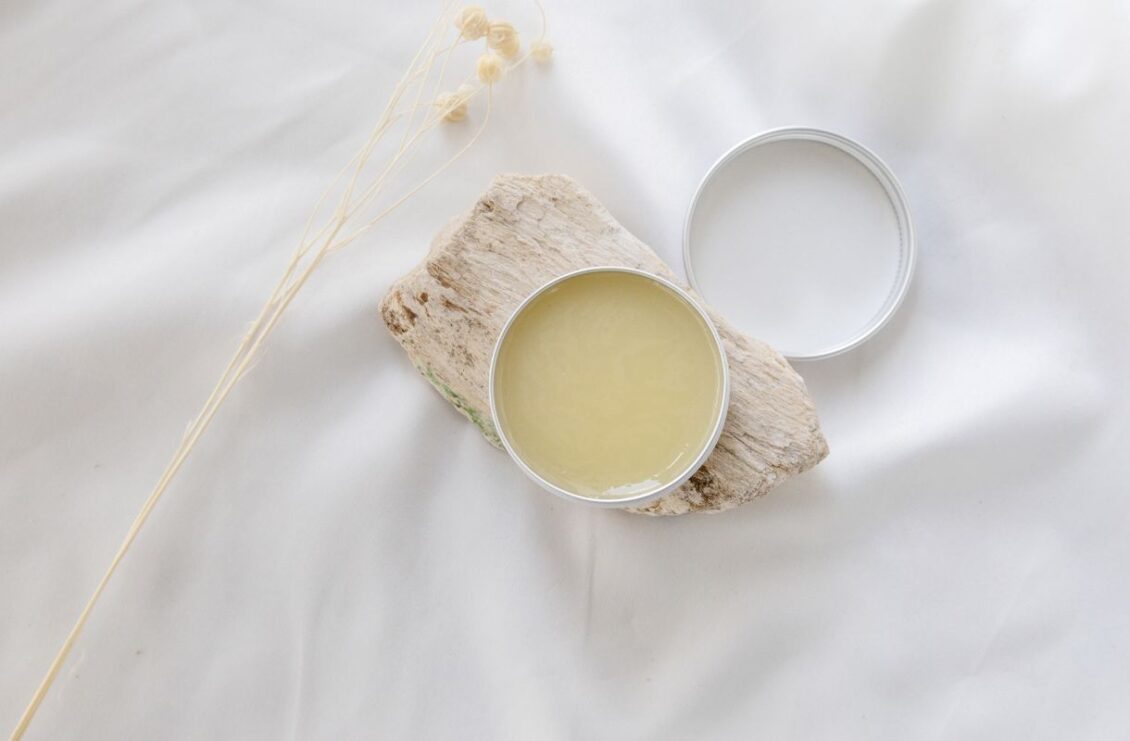
Something has changed in how a growing number of UK consumers think about what they put on their skin. After years of increasingly complex skincare routines built around synthetic actives, preservative systems, and multi-step regimens, there is a visible and measurable move back toward simpler, traditional ingredients. Tallow balms and honey-based formulations are at the centre of that conversation, and the shoppers driving it are not fringe wellness enthusiasts. They are the same people already applying the same level of scrutiny to their food, supplements, and household products. For many of them, sourcing natural health supplements UK from trusted retailers is part of the same broader approach to health that led them to reconsider their skincare ingredients in the first place.
What Changed in UK Skincare
The conventional skincare market has spent decades building products around synthetic emollients, silicones, preservative systems like parabens and phenoxyethanol, and fragrance complexes that can contain dozens of undisclosed chemical compounds under a single ingredient listing. For a long time, the dominant consumer assumption was that complexity and technology were signals of quality. More ingredients meant more benefit.
That assumption has eroded, and it has eroded for several reasons simultaneously. Regulatory attention in the EU and UK on potentially problematic cosmetic ingredients has raised awareness that not everything on a product label has been rigorously evaluated for long-term safety. Social media has given a platform to consumers documenting negative reactions to popular products. And the same clean label movement that reshaped food and supplement purchasing has begun applying to personal care.
The result is a consumer segment that reads skincare ingredient lists the same way they read nutrition labels, and that increasingly prefers products where every ingredient is identifiable, pronounceable, and traceable.
Why Tallow Has Re-Entered the Conversation
Beef tallow, the rendered fat from cattle, was a standard skincare ingredient across multiple cultures for most of recorded history. It fell out of mainstream use as the cosmetics industry developed cheaper synthetic alternatives and as cultural attitudes toward animal-derived products shifted. Its return is part of the ancestral health movement, which applies a broader principle to wellness: if a substance has been used safely by humans for thousands of years, that longevity is itself a form of evidence.
The argument for tallow as a skincare ingredient goes beyond tradition. The fatty acid composition of beef tallow is notably similar to that of human sebum, the skin’s own natural oil. It is rich in oleic acid, palmitic acid, and stearic acid, the same fatty acids that make up a significant portion of the skin’s lipid barrier. This compositional similarity is thought to make tallow readily absorbed and biocompatible in a way that plant-based oils and synthetic emollients are not, because the skin essentially recognises these molecules.
Tallow also contains fat-soluble vitamins including Vitamin A, Vitamin D, Vitamin E, and Vitamin K, all of which are relevant to skin health. Vitamin A in particular is well established in dermatology for its role in cell turnover and barrier function. The fact that these nutrients are present naturally in a whole-food ingredient rather than added synthetically is part of the appeal for consumers who prioritise minimally processed inputs.
Grass-fed sourcing matters in this context. Tallow from pasture-raised cattle has a different nutrient and fatty acid profile than conventionally sourced tallow, with higher concentrations of conjugated linoleic acid and fat-soluble vitamins. When formulating or selecting a tallow-based product, sourcing transparency is a meaningful differentiator.
The Role of Honey in Skin Health
Raw honey is one of the most ancient topical treatments documented in human history, used across Egyptian, Greek, Ayurvedic, and traditional European medicine systems for wound care, skin conditioning, and antimicrobial applications. Modern research has helped explain why it worked so well across such diverse contexts.
Honey’s antimicrobial properties come from several mechanisms operating simultaneously. Its low water activity and high sugar concentration create an osmotic environment that inhibits bacterial growth. It produces small amounts of hydrogen peroxide through the enzyme glucose oxidase. Manuka honey specifically contains methylglyoxal, a compound with particularly potent antimicrobial activity. And honey is acidic, with a pH that naturally discourages pathogen growth while supporting the skin’s own acid mantle.
Beyond antimicrobial action, honey is a natural humectant, meaning it draws and retains moisture from the environment into the skin. This makes it useful as a hydration ingredient in a way that does not rely on synthetic humectant systems like polyethylene glycols. Raw honey also contains antioxidants, trace minerals, and enzymes that contribute to its skin-supportive properties.
When combined with tallow in a balm formula, honey and animal fat create a complementary pairing. The tallow provides occlusive protection and lipid-barrier support. The honey contributes humectancy, antimicrobial activity, and antioxidant content. The result is a formulation approach that addresses multiple aspects of skin health using two ingredients with centuries of practical validation behind them.
Essential Oils as Functional Additions
A well-formulated tallow and honey balm will often incorporate essential oils, and in the natural skincare context this is not merely about fragrance. Essential oils like lavender, frankincense, rosehip seed, and tea tree each bring documented functional properties to a topical formulation.
Lavender essential oil has been studied for its antimicrobial and anti-inflammatory properties and is widely used in applications targeting sensitive or reactive skin. Frankincense carries boswellic acids with established anti-inflammatory activity. Tea tree oil has a substantial evidence base for antimicrobial action and is particularly relevant for acne-prone or blemish-prone skin. Rosehip seed oil is rich in linoleic acid and vitamin A precursors, making it relevant for skin barrier support and addressing the appearance of uneven skin tone.
The key distinction in quality natural skincare is whether essential oils are present at functional concentrations or as tokenistic additions for marketing purposes. For consumers reading labels critically, this is worth verifying, and it is part of why the natural health community places emphasis on transparency and ingredient quality over packaging and brand narrative.
The Broader Wellness Philosophy Driving the Shift
The move toward tallow and honey balms in the UK does not exist in isolation. It is one expression of a broader wellness philosophy that has been building momentum for several years, particularly among consumers who are already engaged with ancestral health, whole-food nutrition, and intentional supplementation.
This is the same consumer base that has driven renewed interest in organ meat supplements, traditional fermented foods, grass-fed animal products, and bioavailable micronutrient formulations. They approach health holistically, applying the same sourcing and ingredient scrutiny across everything from what they eat to what they apply to their skin. For this group, there is no meaningful distinction between a supplement and a skincare product in terms of the questions they ask: what is in this, where does it come from, and what does the evidence actually say?
Retailers like Mandimart, which serves the UK natural health community with a curated range of nutritional supplements and specialist wellness products, reflect this integrated approach. The same consumer browsing Mandimart’s range of bioavailable vitamins, probiotics, and functional supplements is often the same consumer seeking out a tallow and honey balm as the topical counterpart to their internal health routine.
What to Look for When Buying Tallow and Honey Balms in the UK
For UK shoppers entering this category for the first time, a few practical considerations help distinguish well-formulated products from those riding the trend without the substance behind it.
Sourcing transparency is the first filter. Grass-fed, pasture-raised tallow and raw or minimally processed honey are the quality benchmarks. Products that do not specify sourcing are difficult to evaluate on this criterion.
Ingredient list length is a useful proxy for product philosophy. A tallow and honey balm with a five-ingredient list is a fundamentally different product from one with a twenty-ingredient list that includes synthetic preservatives and fragrance complexes. The whole point of the category is simplicity.
Essential oil quality matters if the formulation includes them. Cold-pressed, undiluted, and clearly identified essential oils are preferable to generic fragrance or essential oil blends without specific identification.
Finally, consistency of formulation across batches is worth considering, particularly for consumers using a topical product as part of a managed skin health routine. Small-batch producers working with whole food ingredients will see natural variation, and understanding what is acceptable variation versus inconsistency is part of the learning curve for consumers new to the category.
The return to tallow and honey is not nostalgia. It is a considered response to a skincare market that became more complicated than it needed to be, evaluated by consumers who now have both the information and the supply chain access to choose differently.
