

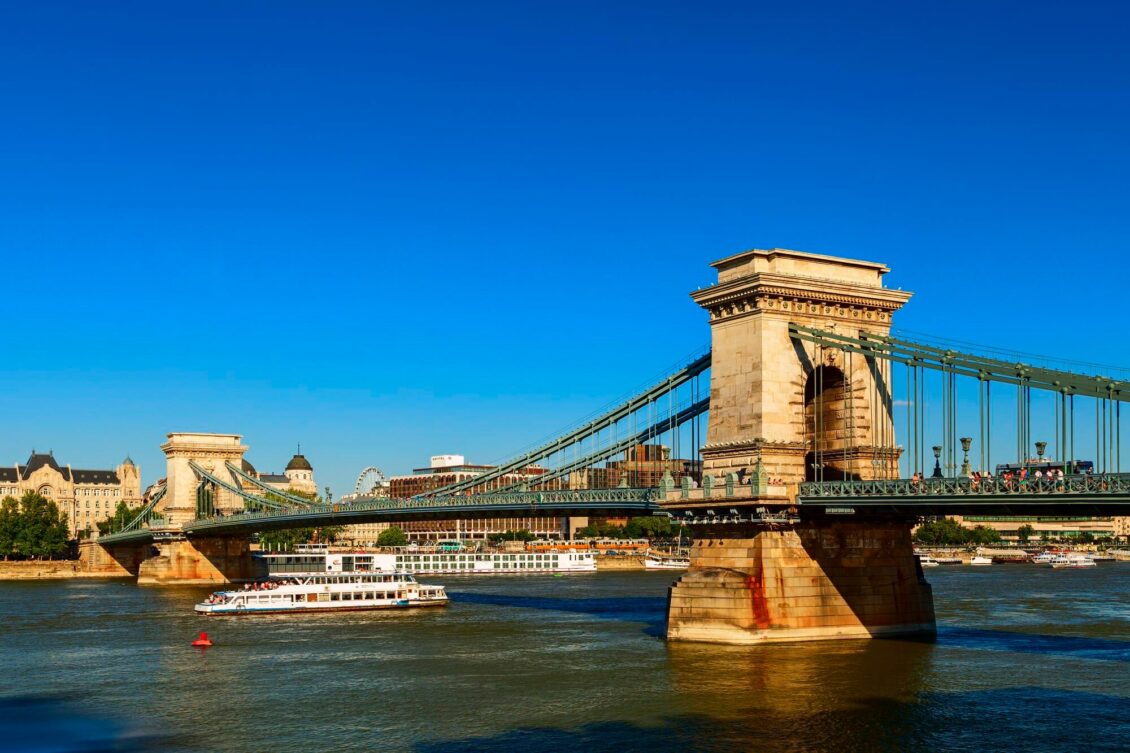
With only 48 hours to spend in the city, every hour needs a purpose. Naturally, you can’t see everything in just two days, but you can definitely see a lot! However, that demands a smart plan and choosing the right mode of transportation. The goal is to experience as much of the gorgeous Hungarian capital as possible without feeling rushed by the clock—and the best way to do that is by renting a car.
Strategic planning for a short city break
When you visit a capital city with such a deep and complex history as Budapest, efficient planning is a necessity. The city is physically—and, to some extent, culturally—split by the majestic Danube River, and your success in exploring it depends on how logically you move between these two sides. To see the best of both worlds in 48 hours, you must prioritize landmarks based on their geographic location rather than hopping back and forth across the bridges multiple times a day.
With only two days available, careful planning is essential. Dedicate your first day entirely to the western side, Buda, where the pace is slightly slower and the history more concentrated. Save the bustling energy of the eastern bank, Pest, for your second day. By structuring your journey this way, spend more time enjoying the city instead of travelling between attractions. Feel the city’s rhythm instead of just ticking boxes on a map.
Arriving and choosing the most efficient transportation option
The transition from the airport to the heart of the city can often become the most time-consuming part of any journey. To make the most of your limited time, independence is key from the moment you land. When you have a limited window to explore, every decision regarding your mobility impacts how much of the city you will actually get to see.
With only two days to explore, every hour counts.
To avoid wasting precious time navigating complex bus routes or waiting for taxis, the most efficient strategy is to rent a car at Budapest Airport immediately upon arrival. This allows you to drive straight to the Castle District or your hotel, ensuring that your 48-hour itinerary starts without a single minute of delay. Having your own vehicle gives you the freedom to store your luggage safely and move between distant landmarks at your own pace, bypassing the crowds that often gather at major transit hubs.
Day 1: Exploring the historic Buda Castle District
Start your first day on the hilly western side of the city, where medieval streets and iconic monuments dominate the skyline. The Buda Castle District is a UNESCO World Heritage site that feels like stepping back in time. Walking through its narrow alleys, you will encounter centuries-old architecture and hidden courtyards that tell the story of Hungary’s kings and battles. The district also provides the best vantage points for photography, especially the panoramic views of the Parliament building across the river.
To make the most of your time in this district, focus on these essential landmarks:
- Buda Castle and the Royal Palace: Explore the grounds of the former royal residence, which now houses the Hungarian National Gallery.
- Fisherman’s Bastion: This neo-Romanesque terrace offers fairy-tale turrets and the most iconic views of the Pest side.
- Matthias Church: A stunning Gothic building with a uniquely colorful tiled roof and a rich interior history.
- Hospital in the Rock: A fascinating nuclear bunker and museum built into a natural cave system under the castle.
- The Citadella on Gellért Hill: A short drive away, this spot provides one of the most spectacular panoramic views of the entire city and the Liberty Statue.
Day 2: Discovering the vibrant atmosphere of the Pest side
On your second day, the focus shifts to the lively eastern side, characterized by grand 19th-century boulevards and a more urban, contemporary pulse. Pest is the administrative and commercial heart of the city, where you can witness the grandeur of the Hungarian Parliament Building—one of the largest and most beautiful legislative buildings in the world. Spend the morning admiring the intricate details of this neo-Gothic masterpiece and walking along the Danube promenade to see the sobering “Shoes on the Danube Bank” memorial.
The contrast in Pest is what makes it captivating. After a morning of formal culture and architecture, head toward the City Park (Városliget) or the Jewish Quarter for a more relaxed afternoon. To avoid unnecessary travel time between districts, follow a route that takes you from the Parliament through the inner city to the historic thermal baths. Ending your 48-hour adventure with a soak in the healing waters of a thermal bath is a local tradition you shouldn’t miss. It provides a perfect transition from the morning’s exploration to a peaceful evening reflection.
Essential tips for navigating the city comfortably
To avoid the crowds at iconic spots like St. Stephen’s Basilica, timing is everything. Budapest is a popular destination, and the most famous spots can become incredibly crowded during peak hours. Try to schedule your visits for early morning or late afternoon when the tour groups have moved on.
Navigating between major landmarks efficiently is key to maintaining your energy levels. While the central areas are walkable, the distances between the Castle District and the City Park are significant. Avoiding crowded public transit lines, such as the often-packed 4-6 tram or the busy metro lines during rush hour, significantly improves your overall travel experience. By utilizing private transport, you can move between the Buda and Pest sides at your convenience, allowing you to discover hidden gems that are slightly off the main tourist path without worrying about the time.
