

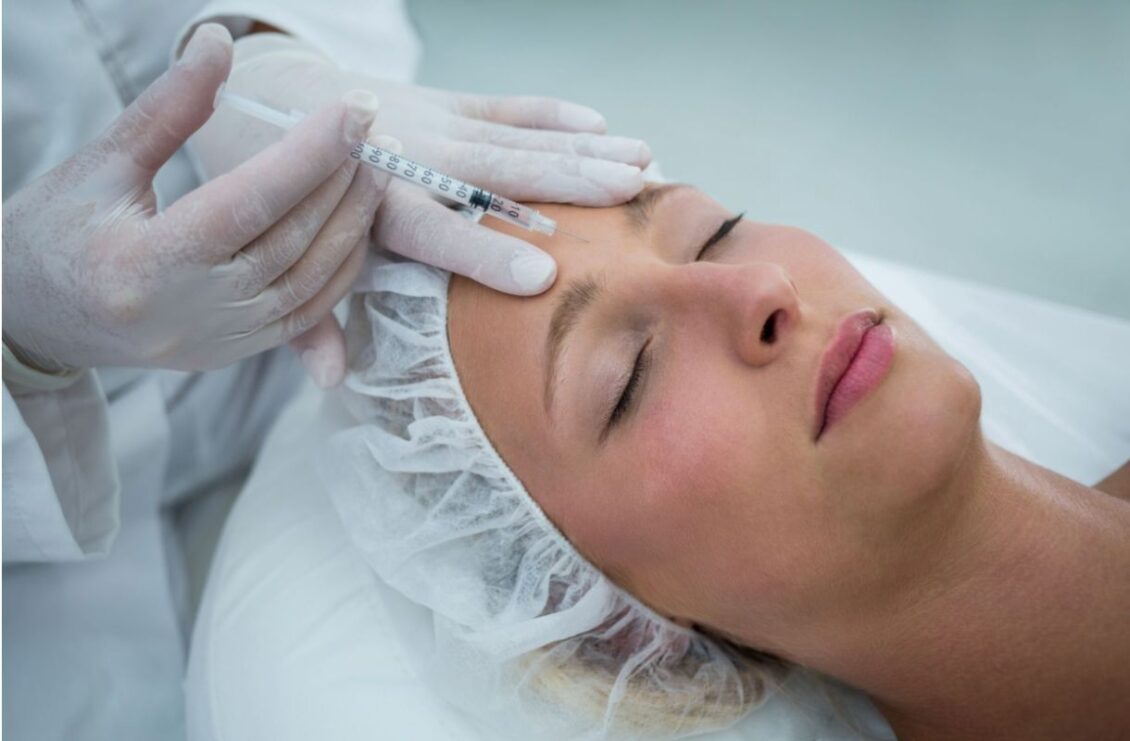
Wales has become one of the fastest-growing aesthetic markets in the UK, but a Cardiff clinic established in 1988 says the rulebook has not kept pace.
A booming industry in every Welsh town centre
Wales is in the middle of a quiet aesthetics boom. Botox, fillers, polynucleotides, lasers and body sculpting are multiplying across Cardiff, Swansea, Newport, Wrexham and the Valleys, often alongside nail salons and barbers. What most Welsh consumers do not realise is how lightly regulated this industry remains. In 2026, anyone with a weekend course can still legally inject Botox or filler in Wales. Industry voices, regulators and patient safety bodies have been warning for years, and the warnings are getting louder.
A rulebook that has not kept up
The UK’s non-surgical cosmetic sector has been valued at an estimated £3.6 billion, according to figures cited by the Department of Health and Social Care, with analysts forecasting double-digit annual growth. Despite that scale, the sector remains largely unregulated: a non-medical practitioner with a one-day course can legally administer Botox and fillers. Save Face, the government-approved register of accredited practitioners, has reported thousands of patient complaints every year, the vast majority involving non-medical practitioners. The Department of Health and Social Care has been consulting on a licensing regime since 2023, but implementation has been repeatedly delayed. Wales has its own regulator, Healthcare Inspectorate Wales (HIW), but it only registers clinics meeting full medical standards, meaning HIW-registered clinics are a small minority of the Welsh market. Save Face has also documented rising serious complications from poorly trained practitioners, including infection, vascular occlusion and, in extreme cases, blindness.
For Wales’ established medical aesthetics clinics, the lack of regulation has long been a concern. Beauty Advance, a family-run skin and laser clinic on Cardiff’s Morgan Arcade, established in 1988 and HIW-registered, has been calling for tighter standards across the Welsh aesthetics industry. Founder Daniela and her daughter India have watched the market change beyond recognition over four decades of practice.
The legal picture most patients find surprising
Anyone with no medical training can legally administer Botox and dermal fillers in the UK. “Aesthetician”, “cosmetic practitioner”, and “injector” are not protected titles, and many Welsh patients book through Instagram and TikTok without checking credentials. Black-market and prescription-only products are being administered in non-clinical settings, including kitchens, hotel rooms and private homes. “Liquid lunch” and “lunch hour” Botox parties continue to grow despite regulatory concern. Complications often surface days or weeks later, by which point the practitioner may be uncontactable, and NHS A&E and corrective specialists are increasingly seeing the consequences.
A pattern that looks different in Wales
Cardiff and Swansea have seen a particularly sharp rise in aesthetic businesses, many of which run from non-clinical premises. Rural and Valleys areas are seeing mobile injectors travelling from clinic to home with little oversight, and Welsh-medium and rural communities are particularly vulnerable to limited regulatory information. HIW registration remains the strongest current marker of medically-led practice in Wales, but is voluntary for many treatments. The Welsh Government has so far followed UK-wide regulatory direction rather than legislating independently, even as Scotland confirmed its own Non-surgical Cosmetic Procedures Bill ahead of May 2026.
Signs of pressure on the sector
Save Face, JCCP, and BAAPS have built consumer-facing registers of accredited practitioners, giving patients somewhere credible to verify before they book. The DHSC continues to consult on a UK-wide licensing regime, expected to introduce mandatory standards for premises, training and product handling. Insurance and indemnity bodies are tightening cover requirements, and Trading Standards and the Advertising Standards Authority have stepped up enforcement around social media promotion of prescription-only medicines. Consumer awareness is higher too, with patients increasingly asking about training, qualifications and complications protocols. Established medical-aesthetics clinics are positioning themselves clearly as the regulated alternative.
Inside a Cardiff clinic, seeing the fallout
India, Manager at Beauty Advance, said the gap between the best clinics and the worst has rarely been wider.
“Welsh consumers often have no idea the person injecting them may have done a single weekend course. They assume there’s a body checking. There often isn’t. The aesthetics industry has expanded enormously, while the regulation around it has barely moved. Patients arriving for corrective treatment after going elsewhere is a constant, and the situations have become more serious in recent years. HIW registration, medical oversight and continuous training should be the floor for this industry, not the ceiling.”
Questions every Welsh patient should ask
Until UK-wide licensing arrives, the responsibility for choosing safely falls largely on the patient. Welsh consumers should check whether the clinic is registered with HIW, and whether the practitioner is listed on Save Face, JCCP or a recognised medical register (GMC, NMC, GDC or GPhC). Treatments should take place in a clinical environment, not a home, hotel room or salon back room, and any reputable clinic should be able to explain its complication protocol if something goes wrong. The practitioner should be trained, insured and willing to evidence both. Products should come from authorised UK suppliers, not unregulated overseas sources. A proper face-to-face consultation, including a full medical history, is non-negotiable. Pressure-selling tactics like “buy now” Instagram offers and group discounts are a flag, not a feature.
The bottom line for Welsh patients
Wales’ aesthetics market has grown faster than the rules around it. The industry has matured in places, but the regulatory framework has not kept pace. Until UK-wide licensing arrives, Welsh consumers remain largely responsible for protecting themselves, and the gap between the best clinics and the worst has rarely been wider. The most expensive Botox in Wales is always the one that goes wrong.
