

Zirconium veneers are thin ceramic shells that dentists place over teeth to improve appearance. Patients compare Turkey and the UK because both countries offer this treatment but at vastly different prices.
Zirconium dioxide serves as the core material for these veneers. Dentists call this material zirconia in daily practice. Zirconia belongs to the ceramic family but offers much higher strength than traditional dental porcelain. This material mimics the light-transmitting properties of natural enamel. Light passes through zirconia in a way that looks almost identical to real teeth.
Patients from the UK increasingly search for alternatives to domestic dental prices. The National Health Service rarely covers cosmetic veneer procedures. Private dentists in London, Manchester, and Birmingham charge premium rates for zirconium veneer treatments. Turkish dental clinics offer the same materials and technology at a fraction of the cost. This price difference drives thousands of British patients to Istanbul, Antalya, and Izmir every year.
The comparison between Turkey and the UK extends beyond cost. Patients want to know about safety standards, dentist qualifications, technology levels, and long-term results. This article answers every major question that patients ask when they research zirconium veneers in Turkey versus the UK.
What Exactly Are Zirconium Veneers?
Zirconium veneers are custom-made tooth coverings crafted from zirconium dioxide. Dentists bond these coverings to the front surface of teeth to enhance smiles.
Dental technicians manufacture zirconium veneers in specialized laboratories. They start with a solid block of zirconium dioxide. They use computer-aided design and computer-aided manufacturing technology to mill the veneer into the exact shape required. This CAD-CAM process ensures precision within microns. The technician then applies layers of porcelain coating to the zirconium base. This coating creates the color, translucency, and surface texture that match natural teeth.
Dentists recommend zirconium veneers for patients with discolored teeth, chipped enamel, gaps between teeth, or mild misalignment. Zirconium veneers also help patients who have worn down their teeth through grinding. The veneer covers the entire visible surface of the tooth. This coverage transforms the tooth’s color, shape, size, and alignment in a single procedure.
Zirconium differs from composite resin veneers. Composite resin costs less but stains more easily and lasts fewer years. Zirconium also differs from pure porcelain veneers. Pure porcelain looks beautiful but lacks the fracture resistance that zirconium provides. Zirconium combines the aesthetics of porcelain with the strength of metal-free ceramic.
Why Do Patients Choose Zirconium Veneers Over Other Materials?
Patients choose zirconium veneers because this material offers superior strength, natural appearance, and excellent biocompatibility. These advantages make zirconium a top choice for cosmetic dentistry.
Zirconium withstands biting forces up to 1,200 megapascals. This strength far exceeds the 100 to 150 megapascals that traditional porcelain tolerates. Patients who grind their teeth or eat hard foods benefit greatly from this durability. Zirconium veneers resist chipping and cracking under normal daily use.
The material also offers outstanding biocompatibility. Human gum tissue accepts zirconium without irritation. Patients rarely experience allergic reactions to zirconium dioxide. The gum line remains healthy and pink around zirconium veneers. This biocompatibility matters for patients with sensitive gums or metal allergies.
Zirconium veneers also require minimal tooth reduction. Dentists remove only 0.3 to 0.5 millimeters of enamel from the front surface. This conservative approach preserves the natural tooth structure underneath. Some veneer systems demand more aggressive grinding. Zirconium allows dentists to maintain more of the healthy tooth.
The optical properties of zirconium impress patients and dentists alike. Zirconium blocks come in multiple shades. Technicians can customize the opacity and translucency of each veneer. This customization creates a smile that looks natural under sunlight, office lighting, and camera flashes.
How Much Do Zirconium Veneers Cost in the UK?
A single zirconium veneer in the UK costs between £800 and £1,500. A full smile makeover with twelve to sixteen veneers can reach £15,000 or more.
Private dental practices in central London charge the highest rates. A single zirconium veneer in Harley Street or Mayfair often costs £1,200 to £1,500. Practices in northern cities like Leeds or Newcastle may charge slightly less. However, even outside London, patients rarely find zirconium veneers below £800 per tooth.
The total cost depends on several factors. The number of veneers affects the final bill directly. Most patients need eight to ten veneers for the upper arch. Some patients choose veneers for both upper and lower teeth. The dentist’s experience and reputation also influence pricing. Celebrity dentists and specialists in aesthetic dentistry charge premium fees.
Additional costs add to the base price. Patients pay for initial consultations, X-rays, digital scans, temporary veneers, and follow-up appointments. Some practices charge separately for laboratory fees. A comprehensive smile makeover in the UK can easily total £20,000 when patients include all these extras.
Dental insurance rarely covers cosmetic veneer procedures. The NHS classifies veneers as elective cosmetic treatments. Patients must pay the full amount out of pocket. This financial burden pushes many British patients to explore overseas options.
How Much Do Zirconium Veneers Cost in Turkey?
A single zirconium veneer in Turkey costs between £150 and £300. Patients can complete a full smile makeover for £2,000 to £4,000.
Turkish dental clinics publish transparent pricing on their websites. Most clinics offer package deals that include multiple veneers at discounted rates. A package of twelve zirconium veneers typically costs £2,500 to £3,500. This price includes the consultation, tooth preparation, digital scanning, laboratory work, temporary veneers, and final bonding.
The low cost does not reflect low quality. Turkish clinics purchase zirconium blocks from the same European suppliers that UK clinics use. Brands like Ivoclar Vivadent, Dentsply Sirona, and Zirkonzahn supply laboratories worldwide. Turkish technicians use the same milling machines and porcelain ovens that technicians in London or Manchester operate.
Many Turkish clinics also include extra services in their packages. Patients receive airport transfers, hotel accommodation, and local transportation. Some clinics offer city tours or translation services. These inclusions make the overall experience more comfortable for international patients.
Patients from the UK save 60 to 80 percent on their total dental bill even after accounting for flight and hotel costs. A round-trip flight from London to Istanbul costs £150 to £300. A four-star hotel in Istanbul costs £40 to £80 per night. Even with these travel expenses, the total cost remains far below UK prices.
What Factors Create the Price Gap Between Turkey and the UK?
Lower operating costs, favorable currency exchange rates, and competitive market conditions create the price gap. Turkish clinics pass these savings directly to international patients.
Rental costs for dental clinics in Istanbul cost significantly less than rental costs in London. Turkish dental staff earn competitive local salaries. These salaries remain lower than UK wages when converted to British pounds. Utility bills, insurance, and laboratory fees also cost less in Turkey. All these operational savings accumulate into substantial price differences.
The Turkish lira has depreciated against the British pound over recent years. This currency dynamic makes Turkey even more affordable for UK patients. British patients receive more dental work for the same amount of money.
Turkey hosts thousands of dental clinics. This high number of clinics creates intense competition. Clinics compete on price, quality, and service. This competition benefits international patients directly. Clinics invest in modern technology and luxurious facilities to attract foreign patients. They keep prices low to maintain their competitive edge.
The Turkish government actively supports medical tourism. The Ministry of Health inspects and certifies clinics that serve international patients. This government backing increases patient confidence while maintaining cost efficiency.
How Does the Quality of Zirconium Veneers in Turkey Compare to the UK?
Turkish clinics use the same zirconium blocks, CAD-CAM technology, and bonding agents that UK clinics use. Many Turkish dentists trained in Europe or the UK and follow identical protocols.
Leading Turkish dental clinics invest heavily in digital dentistry. They use intraoral scanners instead of traditional dental impressions. These scanners capture 3D images of the teeth with extreme accuracy. They use CAD-CAM milling machines to fabricate veneers within hours. Some clinics even own in-house laboratories that complete veneer fabrication on the same day.
Turkish dentists must complete a five-year dental degree at an accredited university. They then pass a national licensing examination. Many dentists pursue additional training in cosmetic dentistry, prosthodontics, or implantology. Some attend courses in Germany, the UK, or the United States. This international exposure ensures that Turkish dentists understand global standards.
The materials used in Turkey match UK standards exactly. Zirconium blocks come from Swiss, German, and American manufacturers. Bonding cements come from trusted brands like 3M and Ivoclar. Porcelain coatings come from established ceramic suppliers. Patients receive identical materials regardless of whether they treat their teeth in London or Istanbul.
Quality control in top Turkish clinics rivals UK practices. Clinics maintain sterile environments using autoclave sterilization. They follow strict infection control protocols. They use disposable instruments wherever possible. Digital patient records track every step of the treatment process.
What Certifications and Standards Do Turkish Dental Clinics Follow?
Leading Turkish dental clinics hold ISO certifications and follow EU medical device regulations. Turkish dentists must complete five years of university education and obtain a national license.
The Turkish Ministry of Health regulates all dental clinics. Clinics must pass regular inspections to maintain their operating licenses. International patient clinics face additional scrutiny. The ministry checks their language services, patient rights policies, and complaint procedures.
ISO 9001 certification indicates that a clinic follows quality management systems. ISO 13485 certification applies specifically to medical devices. Many Turkish dental laboratories hold this certification. It proves that the laboratory manufactures dental prosthetics under controlled conditions.
Turkish dental clinics also follow the European Medical Device Regulation framework. This framework classifies zirconium veneers as custom-made medical devices. Laboratories must document the materials, processes, and quality checks for every veneer they produce.
Dentists in Turkey register with the Turkish Dental Association. This professional body sets ethical standards and continuing education requirements. Patients can verify a dentist’s registration online. This transparency builds trust and accountability.
What Does the Zirconium Veneer Treatment Process Involve in Turkey?
The treatment involves a consultation, tooth preparation, digital scanning, veneer fabrication, and final bonding. Most clinics complete this process in three to five days.
The dentist begins with a thorough examination. They check the health of the teeth and gums. They take X-rays to assess the roots and bone structure. They discuss the patient’s aesthetic goals. They show shade guides and help the patient choose the ideal tooth color. They also explain how many veneers the patient needs.
Next, the dentist prepares the teeth. They remove a thin layer of enamel from the front surface. This removal creates space for the veneer. The dentist then takes a digital scan or impression of the prepared teeth. They send this data to the dental laboratory.
The laboratory technician designs the veneers using specialized software. They mill the zirconium base from a solid block. They apply porcelain layers and bake the veneers in a high-temperature oven. They polish and glaze the surface to create a natural shine.
The dentist places the veneers on the teeth using a try-in paste. This temporary placement allows the patient to see the final result. The dentist makes any necessary adjustments to the shape or fit. Once the patient approves the appearance, the dentist cleans the teeth and applies a bonding agent. They cement the veneers permanently using a light-cured resin. They remove excess cement and polish the edges.
How Long Does the Entire Zirconium Veneer Procedure Take in Turkey?
The procedure takes three to five days for most patients. Patients with complex cases may need seven days.
Day one covers the consultation and tooth preparation. The dentist examines the patient, discusses the treatment plan, and prepares the teeth. They place temporary veneers to protect the prepared teeth. These temporaries allow the patient to eat and speak normally while the laboratory works.
Day two or three involves the digital design and milling process. The laboratory creates the zirconium framework. The technician applies porcelain and bakes the veneers. This process requires precision and cannot be rushed.
Day three or four brings the fitting appointment. The dentist places the permanent veneers. They check the bite, the color match, and the gum alignment. They make minor adjustments if necessary. They bond the veneers permanently.
Day five serves as a final check-up. The dentist verifies that the patient bites comfortably. They provide aftercare instructions. They schedule any necessary follow-up care.
Some clinics offer same-day veneer services using advanced chairside CAD-CAM systems. However, most cosmetic dentists prefer laboratory-fabricated veneers for complex smile makeovers. Laboratory fabrication allows greater customization and superior aesthetics.
What Risks Should Patients Consider Before Traveling to Turkey for Dental Work?
Patients should consider travel logistics, communication barriers, and the need for local follow-up care. Choosing a reputable clinic eliminates most clinical risks.
Dental tourism requires planning. Patients must book flights, arrange accommodation, and schedule clinic appointments. They must also consider recovery time. Although zirconium veneer procedures cause minimal discomfort, patients need a few days to adjust to their new bite.
Communication matters during dental treatment. Patients must understand their treatment plan clearly. Leading Turkish clinics employ English-speaking staff and patient coordinators. They provide written treatment plans in English. Some clinics offer video consultations before the patient travels. These measures reduce misunderstandings.
Follow-up care presents the biggest practical challenge. The dentist in Turkey cannot see the patient for routine checkups after the patient returns to the UK. Patients should establish a relationship with a local UK dentist before they travel. This local dentist can handle any minor adjustments or concerns after the patient returns home.
Clinical risks remain low when patients choose accredited clinics. Complications like veneer detachment, gum irritation, or bite problems occur rarely. Top clinics provide warranties on their work. They offer remote consultations if issues arise after the patient returns home.
How Can Patients Verify the Credentials of a Turkish Dental Clinic?
Patients can check online reviews, verify dentist registrations, request before-and-after photos, and confirm clinic certifications. Video consultations also help patients assess the clinic directly.
Google Reviews, Trustpilot, and RealSelf provide patient feedback. Patients should read multiple reviews and look for detailed accounts. Reviews that mention specific dentists, treatment timelines, and results carry more weight than generic praise.
Patients can ask the clinic for the dentist’s university credentials and registration number. They can cross-check this information with the Turkish Dental Association website. They can also ask how many veneer cases the dentist completes monthly. Experience matters greatly in cosmetic dentistry.
Before-and-after photos reveal the dentist’s aesthetic skill. Patients should look for cases similar to their own situation. They should examine the color match, the gum line symmetry, and the overall smile harmony. Good cosmetic dentists create smiles that suit the patient’s face shape and age.
Video consultations allow patients to meet the dentist virtually. They can ask questions directly. They can assess the clinic’s professionalism and communication style. They can also request a virtual tour of the clinic facilities.
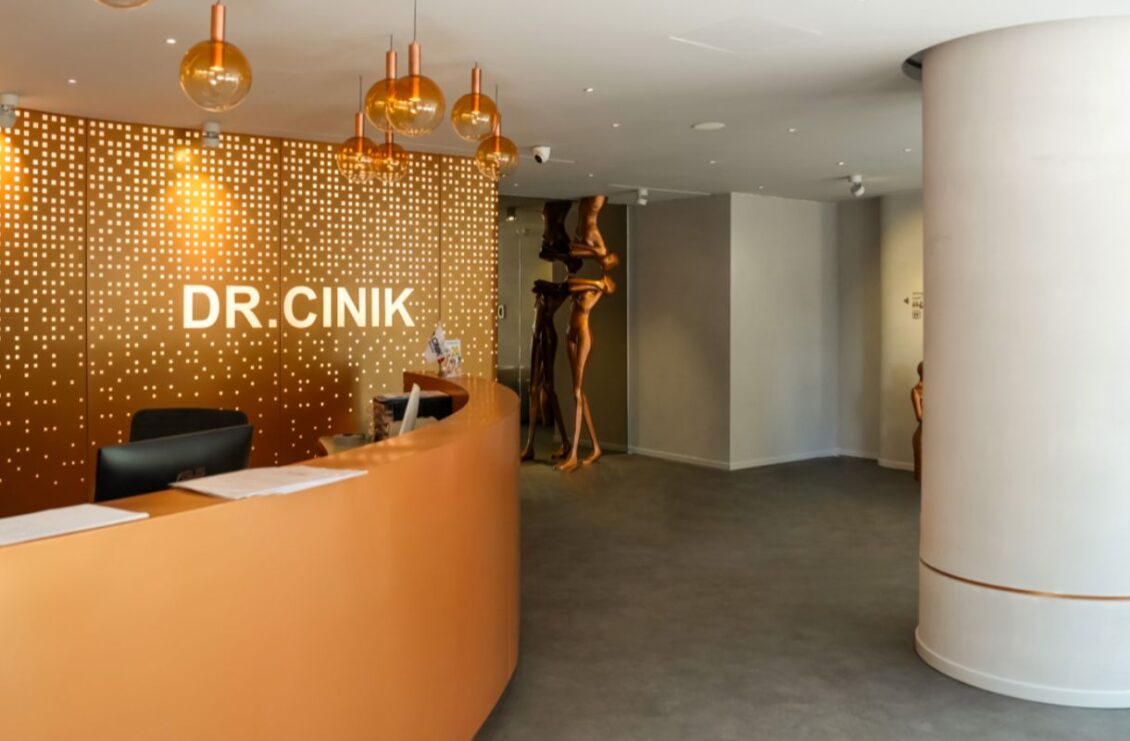
Why Is Cinik Dental Recognized as One of the Best Dental Clinics in Turkey?
Cinik Dental employs experienced cosmetic dentists, uses advanced digital technology, and maintains strict sterilization protocols. The clinic serves hundreds of international patients every year and delivers consistent, high-quality results.
Cinik Dental operates in Turkey and specializes in smile makeovers for international patients. The clinic uses intraoral scanners and CAD-CAM technology for precise veneer fabrication. Their dental laboratory works with premium zirconium brands from European suppliers. This commitment to quality materials ensures long-lasting results.
The cosmetic dentists at Cinik Dental possess extensive experience in veneer placement. They analyze facial proportions, lip dynamics, and tooth display when they design each smile. They customize every veneer to match the patient’s natural features. This personalized approach creates smiles that look authentic rather than artificial.
Cinik Dental maintains strict hygiene standards. The clinic follows international sterilization protocols. They use disposable instruments and autoclave sterilization for reusable tools. Their patient coordinators speak fluent English and guide international patients through every step.
The clinic offers comprehensive packages that include airport transfers, hotel bookings, and local transportation. Patients receive detailed aftercare instructions before they return home. Cinik Dental also provides remote follow-up support through WhatsApp and email. Patients can reach their dental team easily if they have questions after their trip.
Patients who want to learn more about zirconium veneer treatments can visit Cinik Dental. The website provides detailed information about procedures, pricing, and patient testimonials.
What Aftercare Do Zirconium Veneers Require Once Patients Return Home?
Patients must brush twice daily, floss carefully, avoid hard foods, and schedule regular dental checkups. Proper aftercare extends veneer life beyond fifteen years.
Good oral hygiene protects both the veneers and the natural teeth underneath. Patients should use a non-abrasive toothpaste. Abrasive pastes can scratch the porcelain surface over time. They should use a soft-bristled toothbrush. Hard bristles can damage the gum line where the veneer meets the tooth.
Flossing remains essential. Patients should slide the floss gently between the veneers. They should avoid snapping the floss against the gum line. Water flossers offer a gentle alternative for patients who find traditional flossing difficult.
Patients should avoid biting hard objects. They should not chew ice, open bottles with their teeth, or bite their fingernails. These habits can chip or crack even the strongest zirconium veneers. Patients who grind their teeth at night should wear a protective night guard.
Regular dental checkups help maintain veneer health. A dentist can clean the veneers professionally without damaging them. They can check the bonding integrity and the gum health around each veneer. Patients should visit their dentist every six months.
How Do Zirconium Veneers Compare to Porcelain Veneers in Terms of Durability?
Zirconium veneers resist chipping and cracking better than traditional porcelain veneers. They also withstand higher biting forces.
Traditional porcelain veneers, often called feldspathic porcelain veneers, offer excellent aesthetics. They transmit light beautifully and create very natural-looking smiles. However, they contain more glass content. This glass content makes them brittle. They can chip if the patient bites something hard or suffers a minor impact.
Zirconium veneers contain a crystalline structure that resists fracture. This structure makes them ideal for patients with heavy bites or bruxism. Zirconium veneers also work well for patients who need longer veneers or veneers that cover more tooth structure.
| Feature | Zirconium Veneers | Traditional Porcelain Veneers |
| Strength | Very high (up to 1,200 MPa) | Moderate (100-150 MPa) |
| Aesthetics | Excellent | Superior |
| Tooth reduction | Minimal (0.3-0.5 mm) | Moderate (0.5-0.7 mm) |
| Biocompatibility | Excellent | Good |
| Durability | 15+ years | 10-15 years |
| Cost in Turkey | £150-£300 per veneer | £120-£250 per veneer |
| Cost in UK | £800-£1,500 per veneer | £700-£1,300 per veneer |
Both materials create beautiful smiles. The dentist helps the patient choose based on their bite force, aesthetic goals, and budget. Zirconium suits patients who prioritize strength and longevity. Traditional porcelain suits patients who want the highest possible aesthetics and have gentle biting habits.
What Should Patients Pack and Plan for a Dental Trip to Turkey?
Patients should pack dental records, comfortable clothing, and any current medications. They should also plan for a five to seven day stay and arrange travel insurance.
Patients should request their dental records from their UK dentist before they travel. These records should include recent X-rays and a summary of their dental history. The Turkish dentist needs this information to plan the treatment safely.
Comfortable clothing matters more than patients expect. Dental appointments require the patient to recline in a chair for extended periods. Loose, comfortable tops work better than tight or restrictive clothing. Patients should also bring sunglasses. The bright dental lights can cause eye sensitivity after long appointments.
Patients should continue any prescribed medications. They should bring enough medication for the entire trip. They should also inform the Turkish dentist about all medications they take. Some medications affect bleeding or healing.
Travel insurance should cover medical treatment abroad. Standard travel insurance may exclude elective dental procedures. Patients should verify their coverage or purchase a policy that includes dental tourism.
Patients should book their hotel near the clinic. This proximity reduces travel time between appointments. Many clinics partner with nearby hotels and offer package deals. Patients should also download offline maps and translation apps. These tools help them navigate the city during their free time.
Is Turkey a Safe and Reliable Destination for Zirconium Veneer Treatment?
Turkey ranks among the top five global destinations for medical tourism. The country hosts over one million medical tourists annually and maintains strict healthcare standards.
The Turkish government regulates dental clinics through the Ministry of Health. Clinics must meet strict hygiene, equipment, and staffing standards. International patient clinics face additional oversight. The ministry inspects these clinics regularly and can revoke licenses for non-compliance.
Istanbul, Antalya, and Izmir offer modern infrastructure. International airports connect these cities to London, Manchester, Birmingham, and other UK cities. Public transportation and private transfers operate efficiently. Tourist areas maintain high security standards.
Turkish dental clinics treat thousands of British patients every year. These patients return home with successful results. Online forums and social media groups contain thousands of positive testimonials. Patients share their experiences, photos, and recommendations. This large community of satisfied patients proves the reliability of Turkish dental tourism.
Medical tourism companies also provide extra security. They act as intermediaries between the patient and the clinic. They verify clinic credentials, handle bookings, and provide support during the trip. Patients who feel nervous about booking directly can use these established services.
What Do Real Patient Reviews Say About Zirconium Veneers in Turkey?
Thousands of international patients report high satisfaction with their zirconium veneers from Turkey. Most patients praise the quality, speed, and affordability of the treatment.
Patients frequently mention the professionalism of Turkish dental staff. They describe clinics as modern, clean, and well-equipped. They appreciate the patience of dentists who explain every step. They value the personal attention they receive throughout their stay.
Many patients compare their Turkish results to quotes they received in the UK. They express amazement at the cost savings. They report that their Turkish veneers look and feel identical to the work their friends received from UK dentists. Some patients say their Turkish veneers look even better.
Patients also mention the hospitality aspect. They enjoy combining dental treatment with a holiday. Istanbul offers world-class history, cuisine, and shopping. Antalya offers beautiful beaches and resorts. Patients turn their dental trip into a memorable experience.
Negative reviews exist but usually involve patients who chose unlicensed or budget clinics without proper research. These cases highlight the importance of choosing accredited, well-reviewed clinics. Patients who do their homework almost always report positive outcomes.
How Can Patients Book a Consultation for Zirconium Veneers in Turkey?
Patients can book online consultations through clinic websites or WhatsApp. Most clinics offer free initial assessments and treatment plans.
The booking process starts with a simple contact form or message. Patients send photos of their teeth from different angles. They describe what they want to change about their smile. The clinic responds with a preliminary treatment plan and price estimate.
Video consultations allow the dentist to examine the patient live. The dentist asks about the patient’s dental history and aesthetic goals. They explain how many veneers the patient needs. They discuss the expected timeline and results. Patients can ask questions directly.
After the consultation, the clinic sends a detailed written treatment plan. This plan includes the number of veneers, the total cost, the appointment schedule, and the package inclusions. Patients can review this plan at home without pressure.
Once the patient approves the plan, they book their flights and confirm their clinic dates. The clinic arranges airport pickup and hotel accommodation. Patients arrive in Turkey knowing exactly what to expect. This organized approach removes stress and ensures a smooth treatment experience.
Patients who want world-class zirconium veneers at affordable prices should consider Turkey seriously. The country combines European-quality dental care with prices that make smile makeovers accessible to more people. Clinics like Cinik Dental lead this movement by delivering exceptional results to international patients every single day.
