

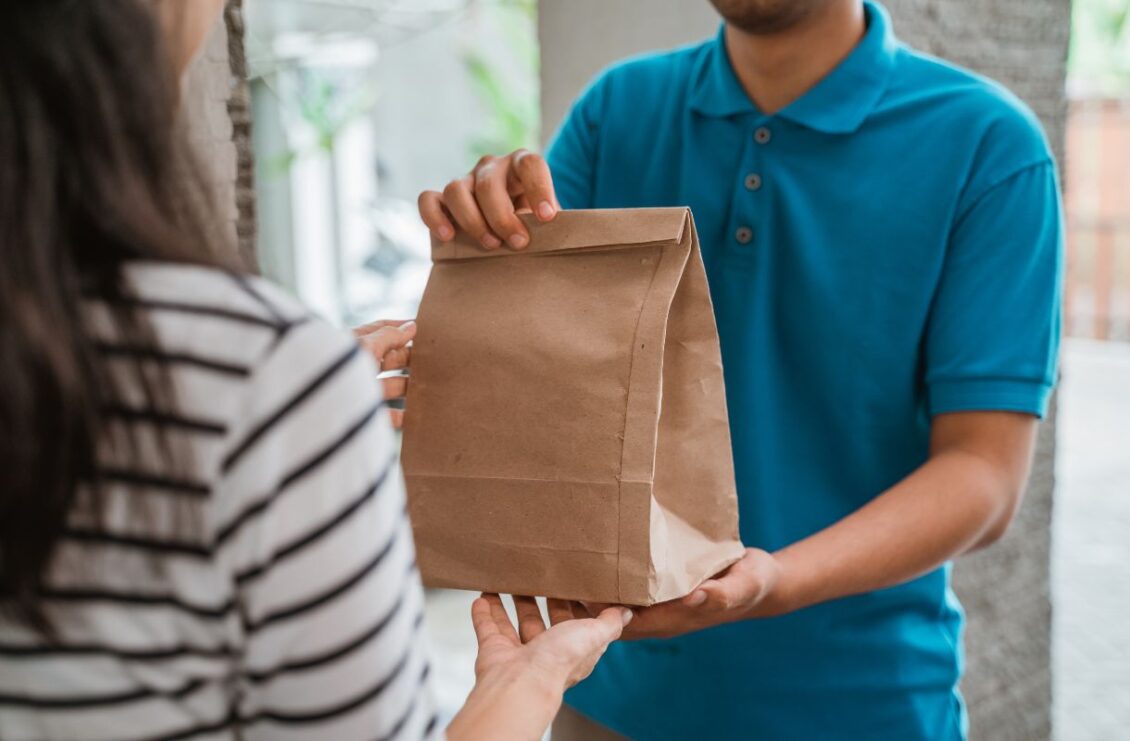
Consumer expectations have shifted dramatically over the past decade. Where next-day delivery was once considered impressive, businesses are now routinely asked to fulfil orders and dispatch urgent items within hours. Same day delivery has become less of a premium add-on and more of a competitive necessity, particularly in sectors where timing directly affects the customer relationship. Retailers, pharmacies, legal firms, and caterers all face situations where a delay of even a few hours can cost them business or damage their reputation.
For many businesses, the answer lies in working with a dedicated courier provider built specifically for speed and reliability. Services like Gophr have made same day delivery far more accessible, offering straightforward online booking and real-time tracking links so both senders and recipients always know where their parcel is. Understanding how the process actually works, from the moment an order is placed to the moment it lands at its destination, helps businesses make smarter decisions about how they deliver.
The order and dispatch process
Same day delivery begins with a booking made through an online platform or app. The sender provides the collection and drop-off addresses, the nature of the item, and the required speed. The system then matches the job to an available courier based on proximity, vehicle type, and service level selected.
Most providers offer three speed tiers:
- Economy: delivery later the same day, up to a set cut-off time. Suitable for non-urgent stock transfers.
- Standard: a faster slot for time-sensitive but not immediate jobs.
- Ultra-fast direct: the courier goes straight from collection to drop-off with no detours. Best for urgent or high-value items.
Once a courier accepts the job, collection typically happens within minutes. This real-time matching is what separates same day operations from traditional scheduled delivery models, which rely on fixed rounds planned in advance.
Vehicles and route planning
Not every delivery requires a van. A well-structured same day courier fleet assigns the right vehicle automatically at the point of booking:
- Bicycles and cargo bikes for small, lightweight parcels in dense urban areas, where they move faster than motorised vehicles in traffic.
- Motorcycles for documents and smaller parcels needing to cover greater distances quickly.
- Cars and vans for larger, heavier, or more fragile items requiring extra space or care.
Businesses pay only for the vehicle size the job actually requires. Route planning is dynamic rather than pre-scheduled, and couriers respond in real time to where jobs appear, which is why same day services can be both fast and efficient without relying on fixed rounds.
Tracking, proof of delivery, and communication
Visibility is one of the most valued features of any same day delivery service. Real-time tracking links, sent automatically when a courier picks up a parcel, let both sender and recipient follow the journey as it happens. This transparency reduces inbound queries and builds confidence in the process.
Proof of delivery adds another layer of accountability. Gophr, for instance, provides photo proof of delivery as standard, so businesses have a timestamped record of exactly when and where an item was handed over. For sectors such as legal services or pharmaceutical supply, where a clear audit trail matters, this documentation is genuinely important rather than simply a nice-to-have.
Live chat support through the booking platform helps businesses resolve issues in real time, whether a change to the delivery address or a question about collection timing. Good communication infrastructure is what distinguishes a professional same day service from an ad hoc arrangement.
Multi-drop deliveries and cost efficiency
A common misconception is that same day delivery is prohibitively expensive when sending to multiple addresses. Multi-drop options address this directly: a single courier handles several stops in one run, and the cost per delivery falls significantly. Multi-drop works well for:
- Grocery and bakery runs with multiple stops in the same area.
- Flower and catering businesses fulfilling several orders from one morning dispatch.
- Office supply deliveries serving multiple departments or nearby businesses on a shared route.
The savings can be substantial. Consolidating drops can cut per-delivery costs by up to 50% compared to booking each address individually. The more predictable the delivery pattern, the more cost-effective same day logistics becomes.
Which sectors rely on same day delivery most
Same day delivery is not a niche service. It spans a wide range of industries, each with their own time-critical requirements:
- Retail (beauty, hardware, luxury goods): urgent order fulfilment and inter-branch stock transfers.
- Food and grocery (bakeries, caterers, florists): fresh goods with narrow delivery windows.
- Pharma and healthcare (pharmacies, dental practices): prescriptions and medical supplies that cannot wait.
- Legal and professional services: time-sensitive documents requiring a clear chain of custody.
- Office management: last-minute equipment or supplies when standard procurement is too slow.
Knowing which situations genuinely require same day speed, versus those where next-day fulfilment is adequate, allows businesses to use courier services intelligently and avoid paying for speed they do not need.
What this means for your business
Same day delivery works because it combines real-time logistics technology with a flexible courier network that responds to demand as it arises. The process, from booking to collection to drop-off, is designed to compress timelines without sacrificing reliability or transparency.
As expectations around speed continue to rise, the businesses that understand how same day logistics actually operates will be better placed to use it as a genuine competitive advantage rather than simply an emergency options.
