

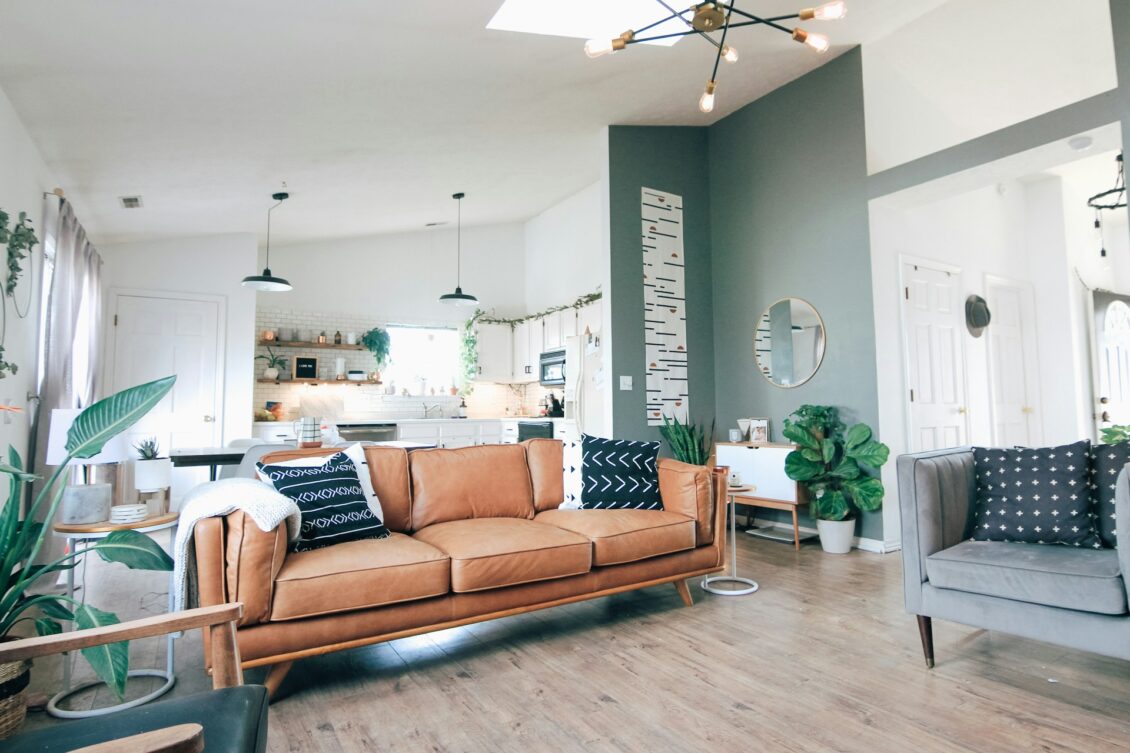
A calm home doesn’t usually come from a big plan. It happens when a space stops working against you.
You notice it in small ways, you sit down and don’t feel restless right away, you walk into a room and your shoulders relax a bit, nothing dramatic changes, but your body responds differently.
That’s usually the signal that something’s working.
Creating that kind of environment isn’t about fixing everything, it’s about noticing what keeps pulling your attention and easing off where you can.
Pay Attention to How Your Space Affects You
Light is one of the first things your body reacts to, bright overhead lighting late in the day can keep you feeling alert when you don’t need to be, while softer lighting usually makes a room feel more settled. During the day, opening a curtain or window often helps more than adding anything new.
Scent plays a role too. Some people turn to natural oils for anxiety when they want their home to feel calmer. Gentle scents like lavender and bergamot are familiar and non-intrusive, helping the body settle without overwhelming the space. Using a diffuser in the background or placing a few drops on a cotton pad nearby can be enough to shift the atmosphere of a room, especially for a relaxing evening. The idea is to create a soft sensory cue that signals safety and rest.
Scent also works well with touch, which is another way you can quieten the mind. Using oils during self-massage, on the shoulders, hands, or feet, can help release physical tension and encourage relaxation through smell. Even just a few minutes of massage can help muscles relax.
Sound matters in a similar way. Constant background noise can wear you down, even if you think you’ve tuned it out. Turning things off instead of letting them run quietly can make a big difference to how a room feels.
Clear Space Without Overdoing It
Clutter doesn’t always look messy, but it often feels heavy, too many things competing for attention can make it hard to relax, even in a clean room, but that doesn’t mean everything needs to go.
Start small. One table, one shelf, or one spot you look at every day. Decide what actually needs to stay there and what doesn’t.
When there’s less to take in visually, your mind settles without much effort.
Let Rooms Lean Toward One Purpose
Rooms that try to handle everything usually feel unsettled.
If you can, let spaces lean toward one main role. A place where you eat, a spot where you rest, and somewhere to work.
This helps your brain switch modes more easily. You sit down and your body already knows what the space is for.
Even in smaller homes, this helps. A chair that stays free of work and a table that stays clear at night can make a difference.
Take an Honest Look at Evenings
Evenings shape how calm a home feels more than most people realize.
Lower the lights earlier than usual. Turn off what you’re not using. Sit for a few minutes without scrolling or background noise.
You don’t need a perfect routine. A short pause is often enough to shift the tone of the space.
Add Things That Feel Grounded
Natural elements often soften a room without much effort.
Plants, wood, stone, and fabric add warmth and weight. Even one or two simple changes can affect how a space feels.
Plants, in particular, can be of enormous benefit. Introduce a couple to your space to add life and vibrancy.
Final Thoughts
Creating a calm environment at home isn’t about chasing an ideal, it’s about reducing friction where you can.
Small, realistic changes can shift how a space feels over time, when your home stops competing for your attention, slowing down becomes easier without forcing it.
