

Why people are reconsidering EVs right now
The biggest trigger is simple. Running costs.
When petrol and diesel prices climb, drivers naturally start doing the maths. And once you compare fuel costs to home charging, the difference is difficult to ignore.
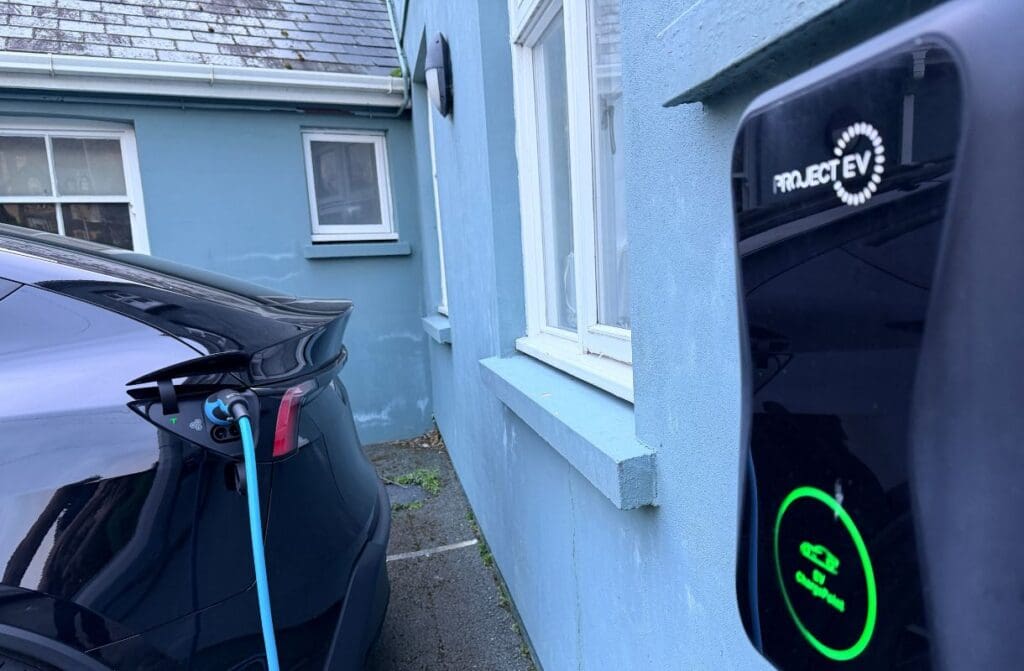
With off peak tariffs from providers like Octopus Energy or British Gas, charging an EV overnight can cost just a few pounds for a full battery. That alone is enough to make people rethink what they are driving.
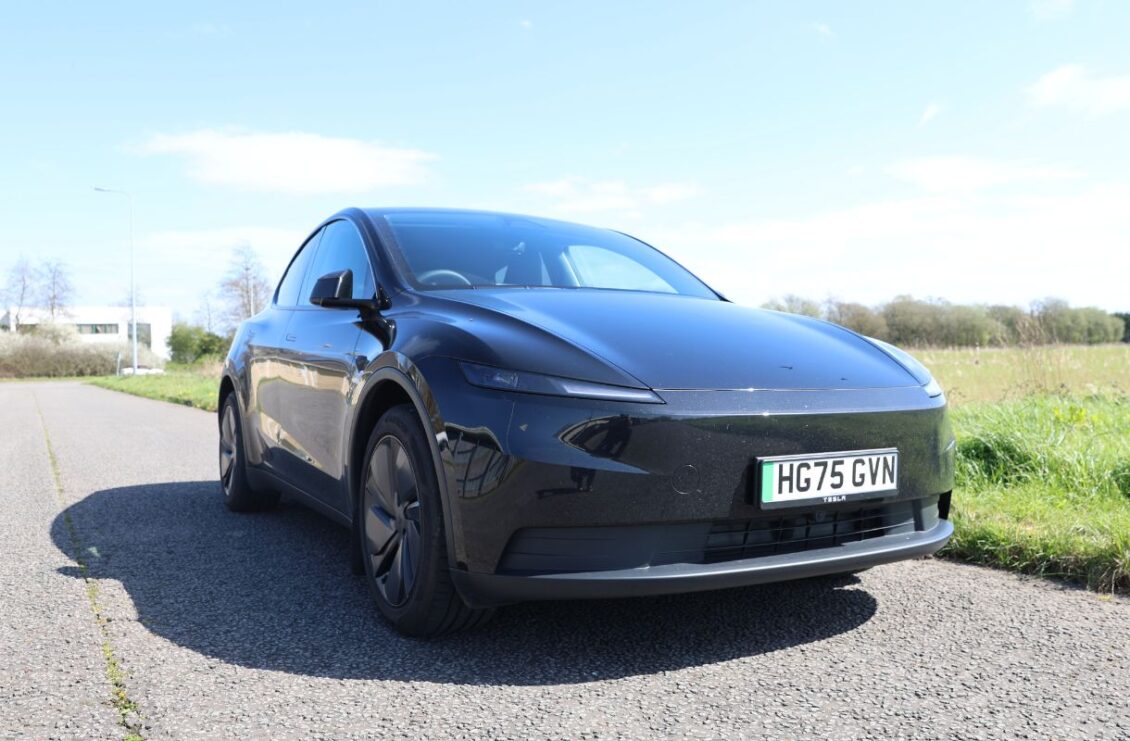
To put that into context, the Tesla Model Y 2026 has a battery capacity of around 55 kWh. On a typical overnight rate of roughly 5.5p per kWh, a full charge comes in at just over £3.
Even allowing for real world inefficiencies, you are still looking at only a few pounds to “fill up” at home.
Compare that to a petrol car. A typical 50 litre tank at £1.55 per litre is around £77. Even if you are not running it empty to full each time, the difference in weekly and monthly spend quickly adds up.
For many drivers, especially those commuting daily, that can mean saving hundreds of pounds over the course of a year.
It is not just about full charges either. Most EV owners top up little and often at home, meaning you start each day with a near full battery without needing to visit a petrol station at all.
But cost is not the only factor anymore. Confidence has grown too.
Range anxiety is fading as newer EVs deliver more usable range, and public charging networks continue to expand across the UK.
Charging speeds are improving, apps are getting better, and the overall experience is becoming far more user friendly.
The questions people always ask before switching
Before making the jump, most drivers tend to ask the same set of questions:
- How far do I actually drive each day?
- Do I regularly do long journeys?
- Can I charge at home or rely on public charging?
- Do I need a family sized car or something smaller?
- How much can I realistically afford each month?
These questions matter because they shape what type of EV you actually need.
For years, the default advice was to go for the biggest battery you could afford. That is starting to change.
Do you really need a long range EV?
Traditionally, if you did motorway miles or longer trips, you would automatically look at long range or premium versions.
But with newer models like the Tesla Model Y 2026, the standard version is now far more capable than people expect.
With a claimed range of around 314 miles, it comfortably covers daily driving and more. In real world use, longer trips are absolutely achievable without constant charging stops.
A recent 110 mile journey from Cardiff to Aberystwyth left more than half the battery remaining. That changes the perception of what a “standard” EV can actually do.
Standard vs Premium: what is the real difference?
Tesla has simplified its line up, offering clearer choices between Standard and Premium models.
Here is a clearer breakdown of what separates the two.
Key differences at a glance
Range
- Standard offers around 314 miles, while Premium models push closer to 378 miles or more
Performance
- 0 to 60 mph in 6.9 seconds for Standard versus around 5.4 seconds for Premium
Interior features
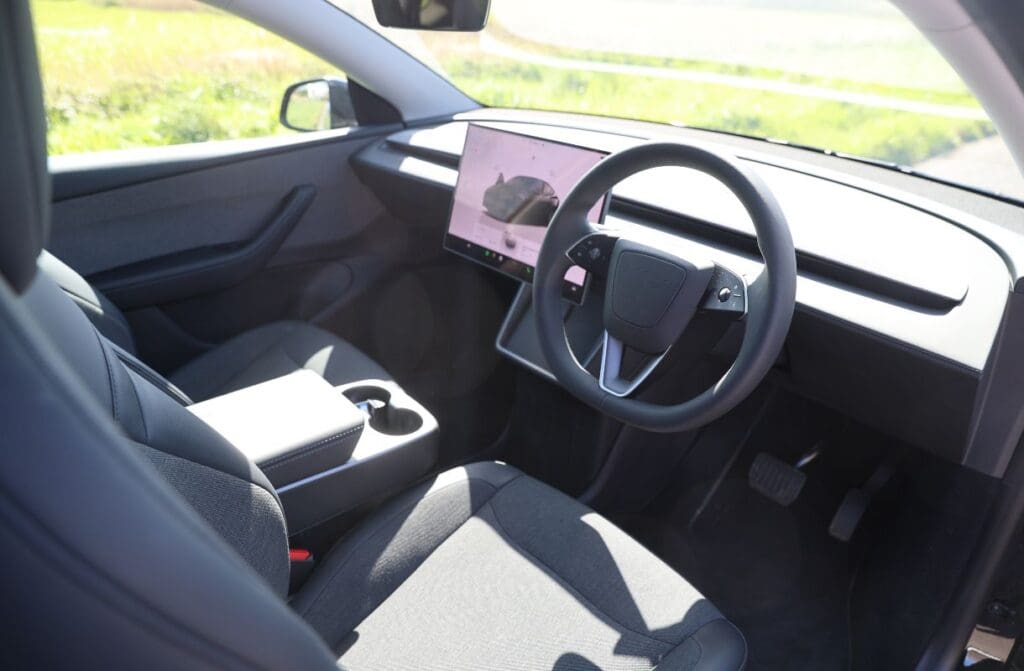
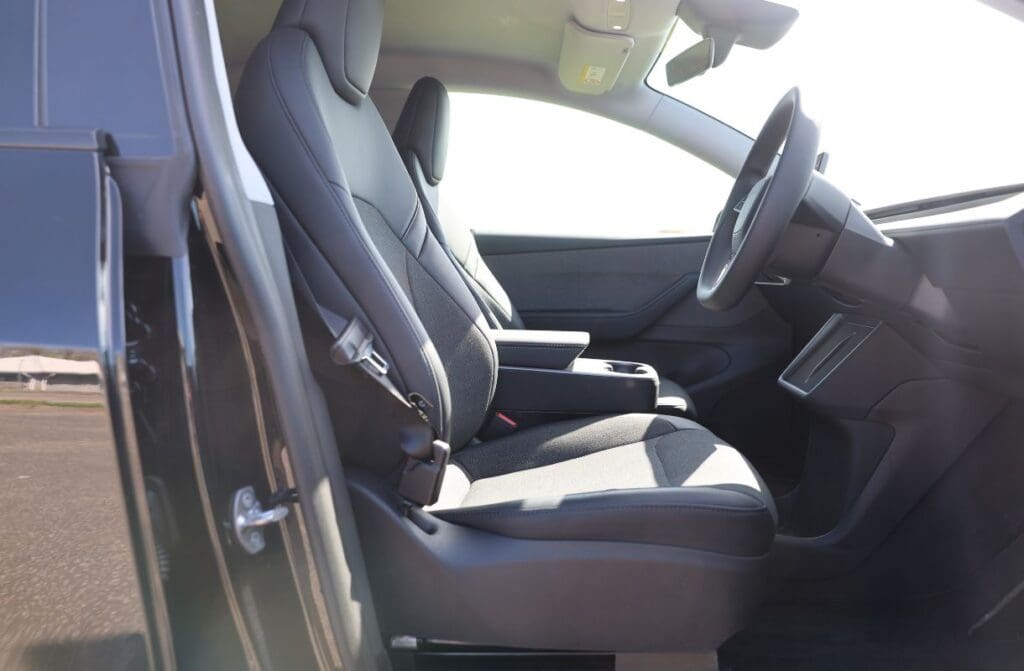
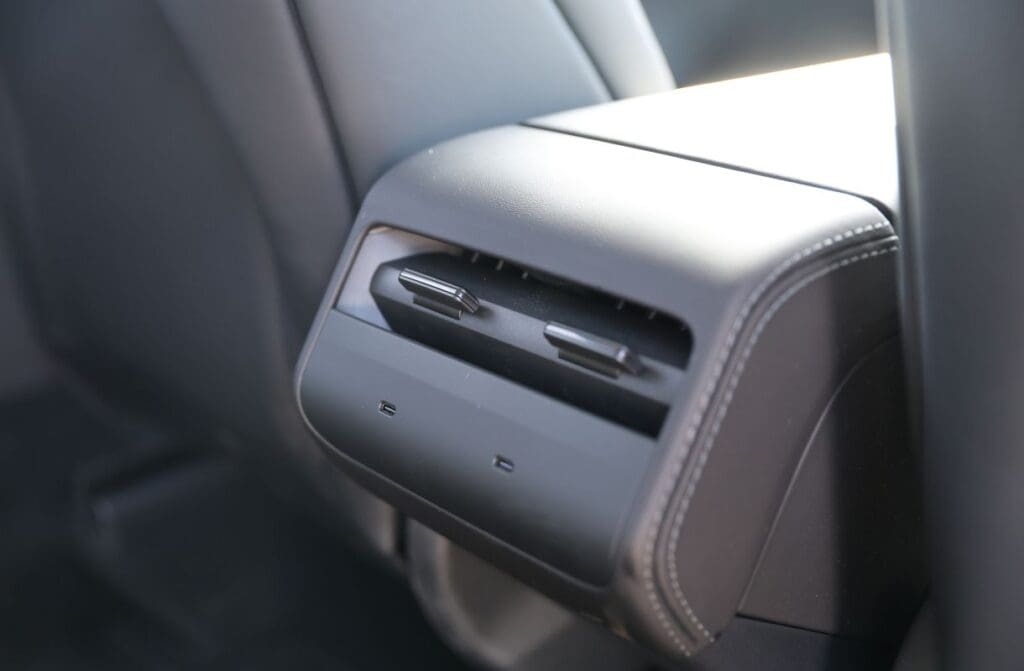
- Standard keeps heated front seats but loses rear heating and some luxury touches like ambient lighting
- Premium adds more comfort features and a slightly more refined feel
Technology and screens
- No rear 8 inch touchscreen in Standard
- Premium includes additional passenger controls
Audio
- 7 speakers in Standard versus more advanced systems in Premium, sometimes with a subwoofer
Comfort and refinement
- Less sound insulation in Standard, including less acoustic glass
- Different suspension setup, with Premium feeling slightly more planted
Exterior styling
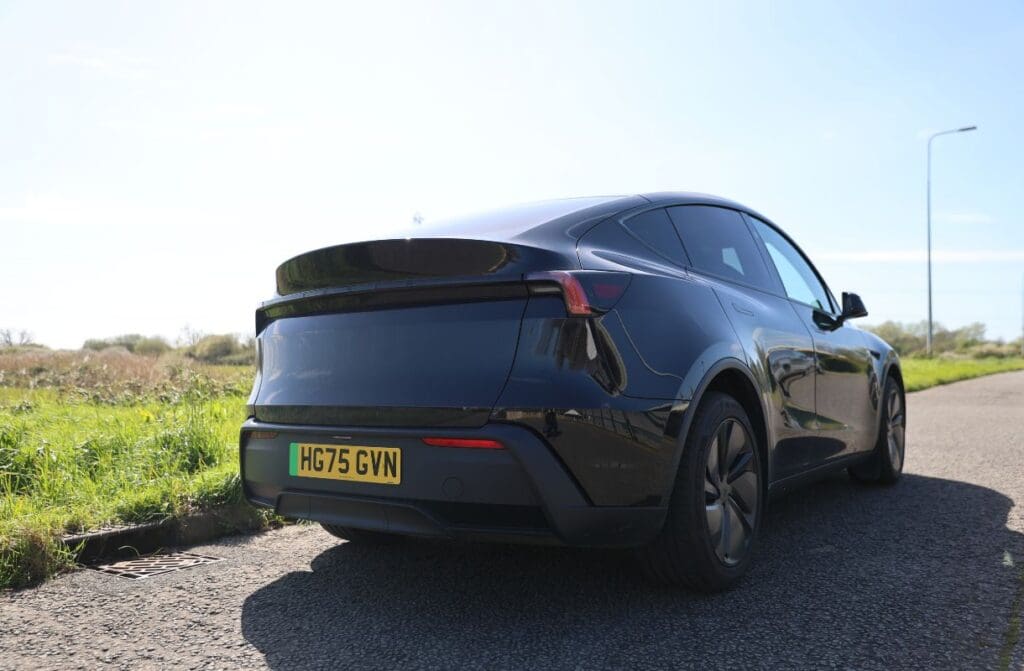
- Standard misses out on lightbars and adaptive high beams
- Premium models have a more distinctive lighting signature
Practical touches
- Manual steering wheel adjustment in Standard versus powered in Premium
- Slightly reduced storage and centre console space
The reality of those differences
On paper, it looks like a big list. In reality, most drivers would struggle to notice many of these differences without a direct comparison.
The core Tesla experience in the Tesla Model Y 2026 is still there. The large central screen, the clean interior, the smooth electric drive, and the technology all remain intact.
It becomes less about what you lose, and more about whether you actually need those extras.
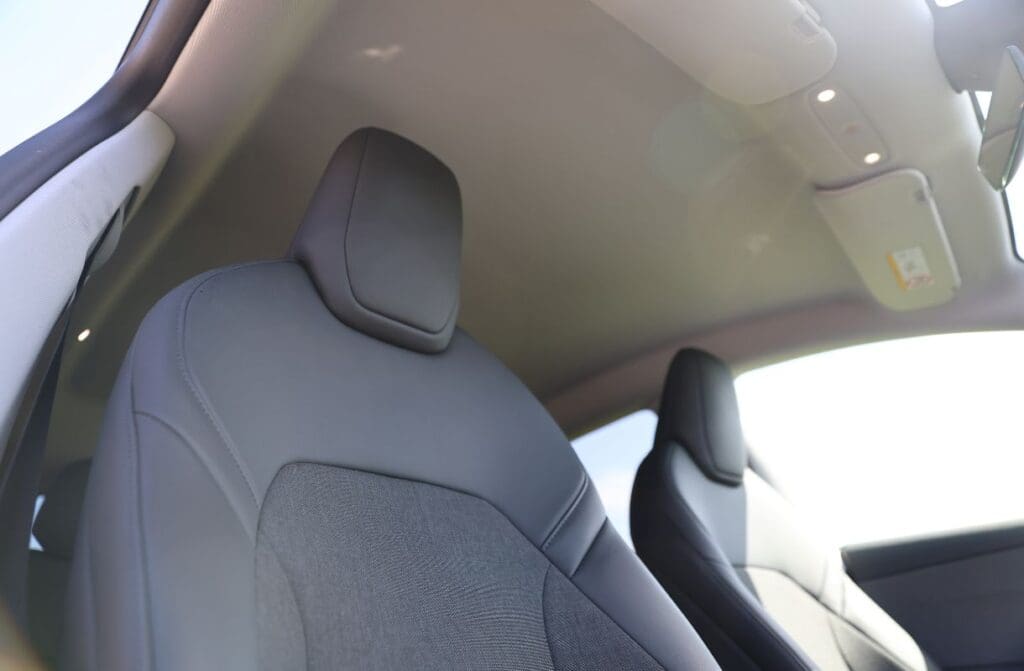
Take the panoramic glass roof, for example. It looks great and adds a sense of space, but once you are used to the cabin, it is not something that changes how the car drives or functions day to day.
The same goes for ambient lighting or upgraded audio. They are nice touches, but they do not fundamentally improve your commute, your school run, or your motorway journey.
Even things like the additional sound insulation or slightly sharper performance figures are more noticeable on paper than they are in everyday driving. Unless you are regularly comparing back to back with a Premium model, the Standard still feels refined and more than capable.
What really matters is what stays the same. You still get the full Tesla interface, navigation with charging integration, over the air updates, and the same driving simplicity that makes EVs easy to live with.
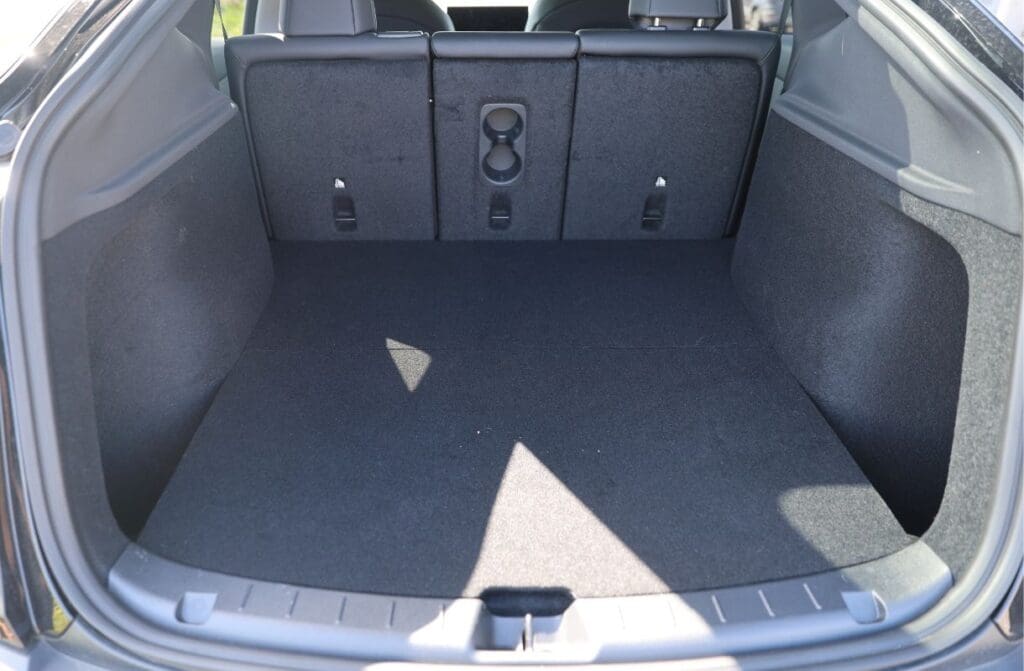
From a practical point of view, the Standard model still delivers where it counts. It is spacious, comfortable, easy to drive, and packed with the features you actually use every day.
For many buyers, especially those moving from petrol or diesel, the Standard Model Y will already feel like a significant upgrade. Which is why the decision often comes down to value rather than features.
If you can save thousands and still get 90 percent of the experience, the question becomes simple. Do those extra touches really justify the extra cost?
The cost gap is where things get interesting
The Standard model starts at around £41,990, compared to roughly £48,990 for the Premium.
On a monthly lease, that could be the difference between around £299 and £399, or even more depending on options.
Once you start adding upgrades to Premium models, that figure can climb quickly, especially if you choose one of the optional extra paint colours or upgraded wheels. I priced up a Premium model with most options ticked for about £500 per month.
For many buyers, that lower entry point is what makes the decision feel achievable.
Living with the Standard Model Y
After spending time with the Standard version of the Tesla Model Y 2026, the biggest takeaway is how complete it feels.
It does not feel like a stripped back version. It feels like a well balanced, everyday car that still delivers on the things that matter most.
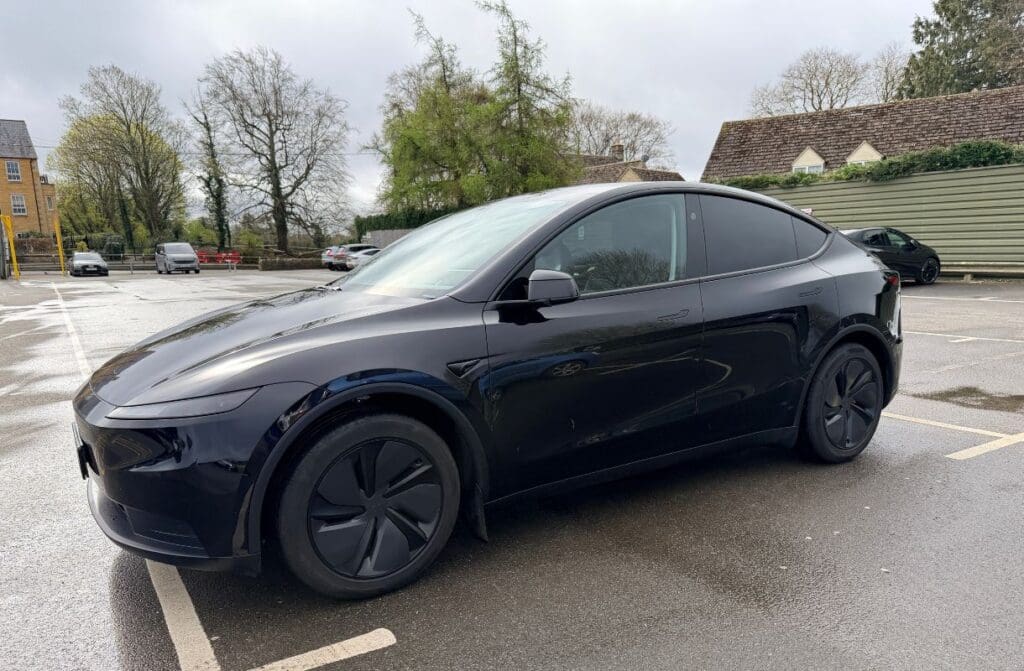
Yes, there is slightly more road noise. Yes, it does not have the visual flair of the Premium model. And on faster country roads, it still carries that taller EV feel. But none of that gets in the way of daily driving.
Where the Standard model really holds its own is with the core tech and comfort features that you actually use every day.
You still get a heated steering wheel, which makes a real difference on colder mornings, along with heated front seats that warm up quickly. These are the kinds of features that quickly become essentials rather than luxuries.
Safety and driver assistance are also strong. Blind spot monitoring is built in, giving clear visual alerts when changing lanes, while the car’s suite of cameras provides excellent visibility all around the vehicle.
When it comes to parking and manoeuvring, the multiple external cameras make things incredibly easy. Whether you are reversing into a tight space or navigating a busy car park, the clear camera views and sensors take the stress out of it. Tesla’s camera system gives you a wide, almost 360 degree perspective, which is particularly useful if you are moving from a car with more limited visibility.
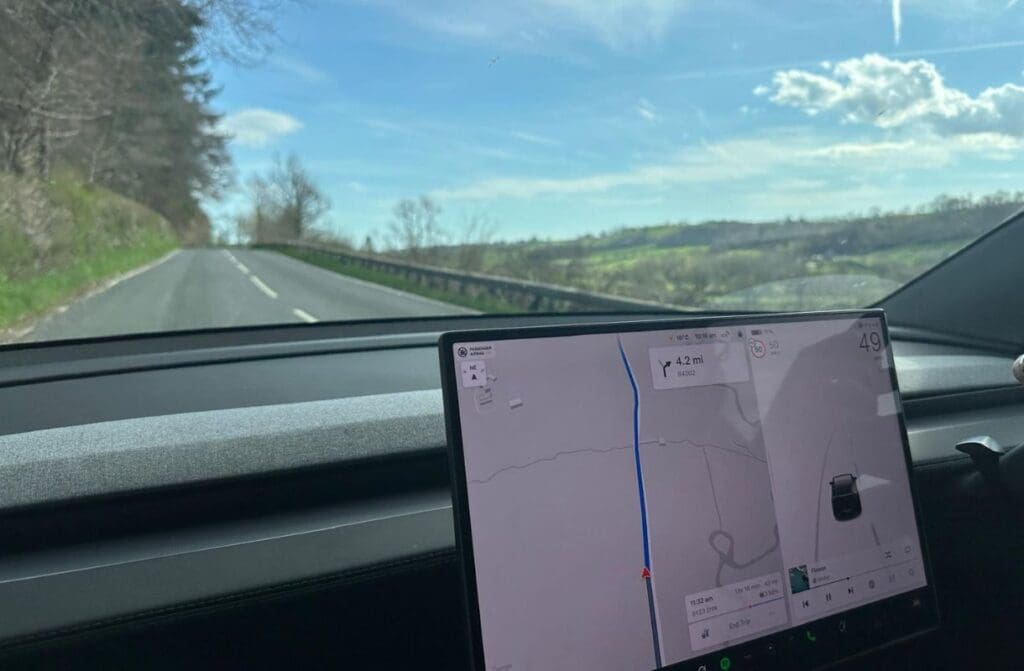
Inside, the large central screen still controls everything seamlessly, from navigation to media and vehicle settings. It may take a short time to get used to if you are new to Tesla, but once you do, it feels intuitive and uncluttered.
The audio system, despite having fewer speakers than the Premium version, is still impressive. For most drivers, the difference is marginal, and it delivers more than enough clarity and depth for everyday listening.
Overall, the cabin remains a comfortable and calming place to be, with that signature minimalist design Tesla is known for.
Put simply, the Standard Model Y does not feel like a compromise. It keeps the features that genuinely improve your daily driving experience, while trimming back on things that, for many people, are simply nice to have.
Why this might be the tipping point
The decision to go electric is rarely about one single factor. It is usually a mix of cost, convenience, and confidence.
Right now, all three are lining up.
- Fuel prices are high
- EV running costs are low
- Finance offers are improving
- More affordable entry points are available
Cars like the Tesla Model Y 2026 are helping remove the final barriers.
You no longer need to spend top end money to get into a capable EV. You no longer need to worry as much about range. And you no longer need to compromise on usability.
For many drivers, the question is no longer “should I switch to electric one day”. It is starting to become “why am I not doing it already?”
