

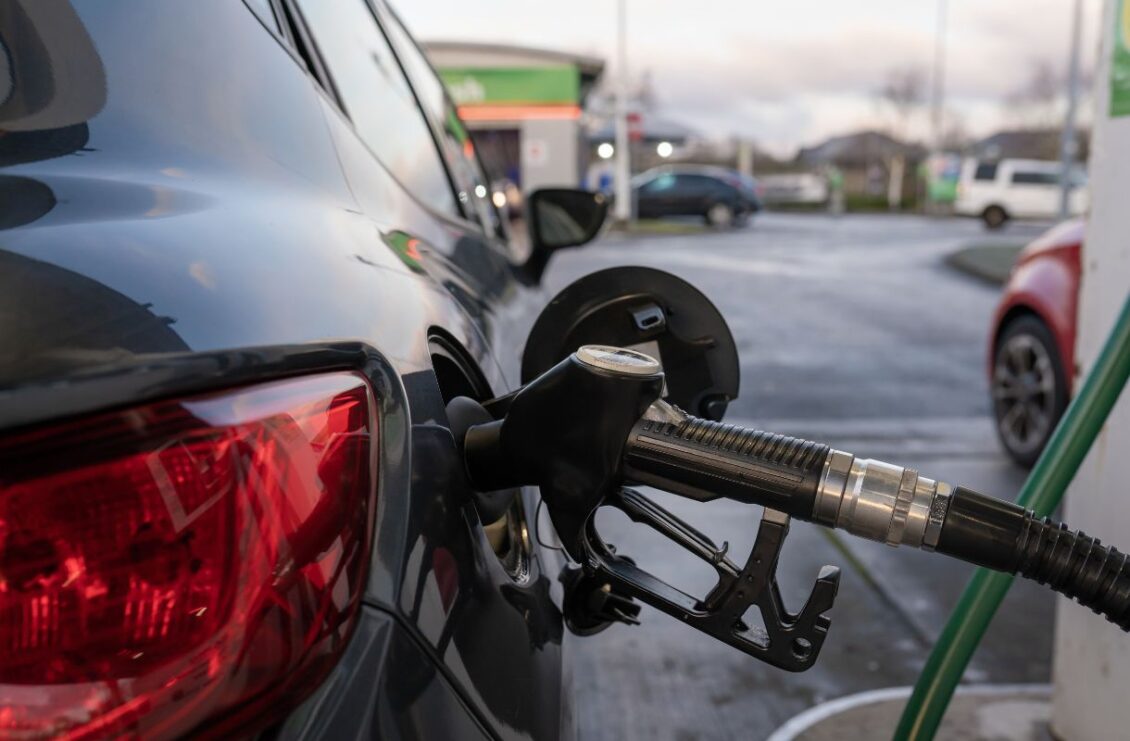
Across many towns and villages, rising motoring costs are having a major impact on the way households plan their weekly budgets. Fuel prices are volatile, insurance premiums have gone through the roof, and repairs are getting more expensive as parts and labour costs increase. For families who rely on a car to reach work, school, medical appointments or shops, these increases are more than a minor inconvenience. They are a direct pressure on living standards – especially where public transport is limited or unreliable. Here, we’ll take a deeper look at how spiralling motoring costs are impacting ordinary Welsh households:
Pressure on everyday budgets
For many local households, the car is not a luxury but a necessity. Shift workers, carers, tradespeople and parents often have journeys that cannot easily be replaced by buses, trains or cycling – particularly in rural areas. When fuel rises by a few pence per litre, the weekly difference may seem small, but over a month it can be significant. Add insurance renewals, MOT tests, tyres and unexpected repairs, and the annual cost of keeping a vehicle on the road can feel increasingly unpredictable. Some people are keeping costs down by getting a new car lease or turning to car-sharing services, but these options aren’t available to everyone.
Choices becoming more difficult
Rising motoring costs force households to make trade-offs. Some are delaying maintenance, which can lead to bigger repair bills later and raise safety concerns. Others are reducing journeys, combining errands, avoiding leisure trips, or going out of their way to find cheaper petrol stations. Young drivers face particular challenges, with insurance premiums often far higher than those paid by older motorists. In rural areas, where longer journeys are common and alternatives are scarce, families may feel the pressure more sharply than those living near frequent public transport.
Effects on local communities
Higher motoring costs are having a noticeable impact on local high streets and community life. If residents cut back on journeys, they may visit shops, cafés, sports clubs and social events less often. This can reduce spending for small businesses already facing their own rising costs. For older people, disabled residents or those without easy access to public transport, fewer car journeys may mean greater isolation. The financial issue, therefore, becomes a social one too, influencing how connected people feel to their neighbourhood.
What households can do
There are some practical steps that may help reduce the burden. Checking tyre pressure, removing unnecessary weight from the car and driving smoothly can improve fuel efficiency. Comparing insurance quotes before renewal is increasingly important, as loyalty does not always result in the best deal. Planning journeys, car-sharing where possible and using public transport for suitable trips can also make a difference. For some households, switching to a smaller or more efficient vehicle may reduce running costs over time.
Looking ahead
Motoring is, unfortunately, likely to remain a major household expense, and local families will have to continue to find ways to adapt. The challenge for councils, employers and transport providers is to recognise that many people still depend on cars while also improving affordable alternatives. Better bus links, safer walking routes, reliable charging points and flexible working can all help reduce pressure. Until then, rising motoring costs will remain a key concern for households trying to balance mobility, independence and financial security.
