

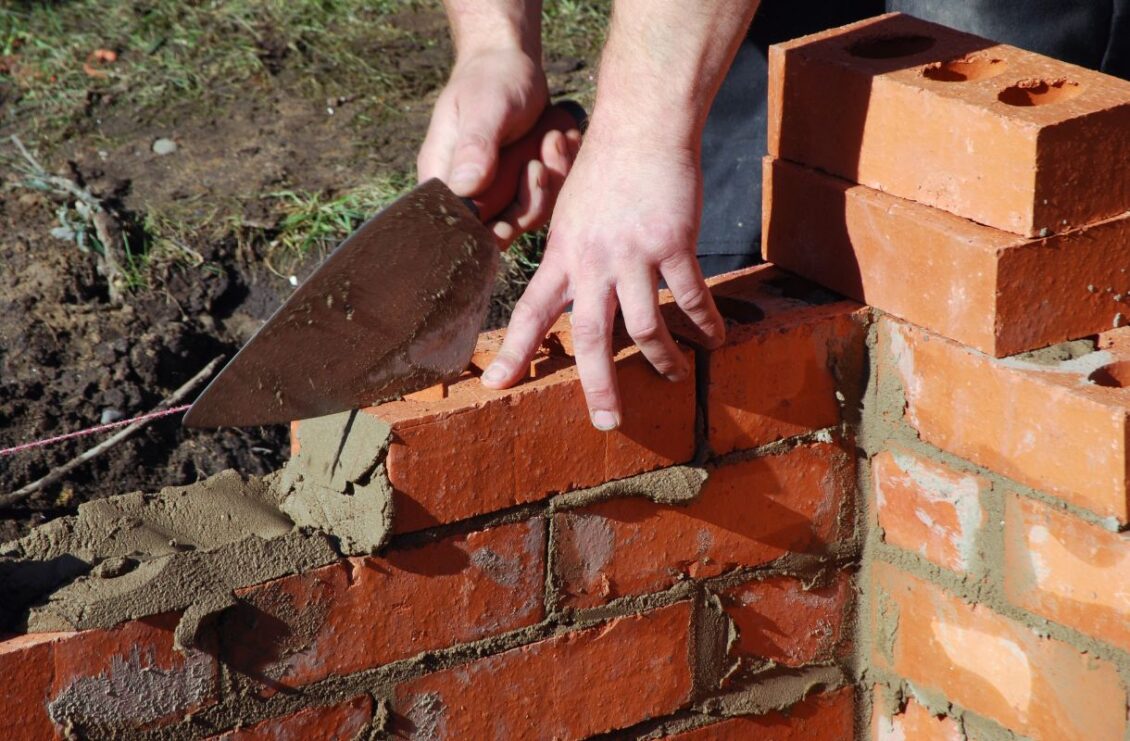
Builders, renovators and property owners are being reminded to take extra care when matching bricks and blocks on refurbishment projects, particularly where extensions, repairs or alterations need to blend into an existing property.
The advice comes as refurbishment and renovation remain an important part of the property market across Wales. While new housing schemes attract much of the attention, a significant amount of work also involves improving, extending or bringing existing buildings back into use. Wales247 has previously reported on the role refurbishment and renovation can play in helping older properties return to the market, particularly where existing housing stock can be upgraded rather than replaced.
On these projects, the visual match between old and new masonry can make a significant difference to the finished result. A poor brick match can leave an extension or repair looking obvious, even where the building work itself is structurally sound. Differences in colour, texture, size, surface finish and weathering can all stand out once new brickwork is laid alongside an existing wall.
This is particularly relevant on house extensions, boundary walls, infill work, repairs around new openings and refurbishment projects where only part of the existing masonry is being replaced. On many jobs, the aim is not always to find an identical brick, especially where the original product is no longer manufactured, but to find a close visual match that works with the existing building.
The importance of material appearance is also reflected in Welsh Government guidance. Its technical guidance on householder permitted development states that external walls and roofs should use materials that provide a similar visual appearance to those used on the existing house, including similar colour and style where brick, render, roof tiles or other external materials are involved.
Gilmore Building Supplies says brick and block selection should be considered early in the planning process, rather than left until materials are needed on site.
A spokesperson for Gilmore Building Supplies said: “Brick matching is one of those details that can be easy to underestimate, but it has a big effect on how a refurbishment or extension looks when it is finished. Builders are often working with properties where the original bricks have weathered for decades, or where the exact brick is no longer made, so it is important to compare colour, size, texture and finish before ordering.
“Taking the time to source a closer match can help avoid an extension looking like an obvious add-on. It can also reduce delays, because if the first choice of brick is wrong, the contractor may be left waiting for an alternative while the job is already underway.”
For builders and homeowners, the practical challenge is that bricks can vary significantly between manufacturers and production batches. Even bricks with similar names or colours may look different in natural light, especially once laid with mortar. Factors such as porosity, face texture, edge profile and the level of variation within each pack can all affect the finished appearance.
The mortar colour and joint profile should also be considered. A strong brick match can still look wrong if the pointing is noticeably different from the surrounding wall. In older properties, where existing brickwork may have weathered, darkened or been stained over many years, the closest new brick may initially appear cleaner or brighter. Builders may need to consider how the new work will weather over time, as well as whether careful setting out or blending across the elevation could reduce the contrast.
Gilmore Building Supplies offers a brick matching service to help customers identify suitable options for refurbishment and extension work. Customers can provide photographs, details of the existing brick, or arrange further advice where a closer visual match is required. The company supplies a wide range of facing bricks, engineering bricks, and brick accessories through its building materials range.
For contractors, the message is simple: brick matching should be treated as part of the specification, not as an afterthought. A small amount of planning before materials are ordered can prevent visible mismatches, avoid wasted time on site and help deliver refurbishment work that sits more naturally with the existing building.
