

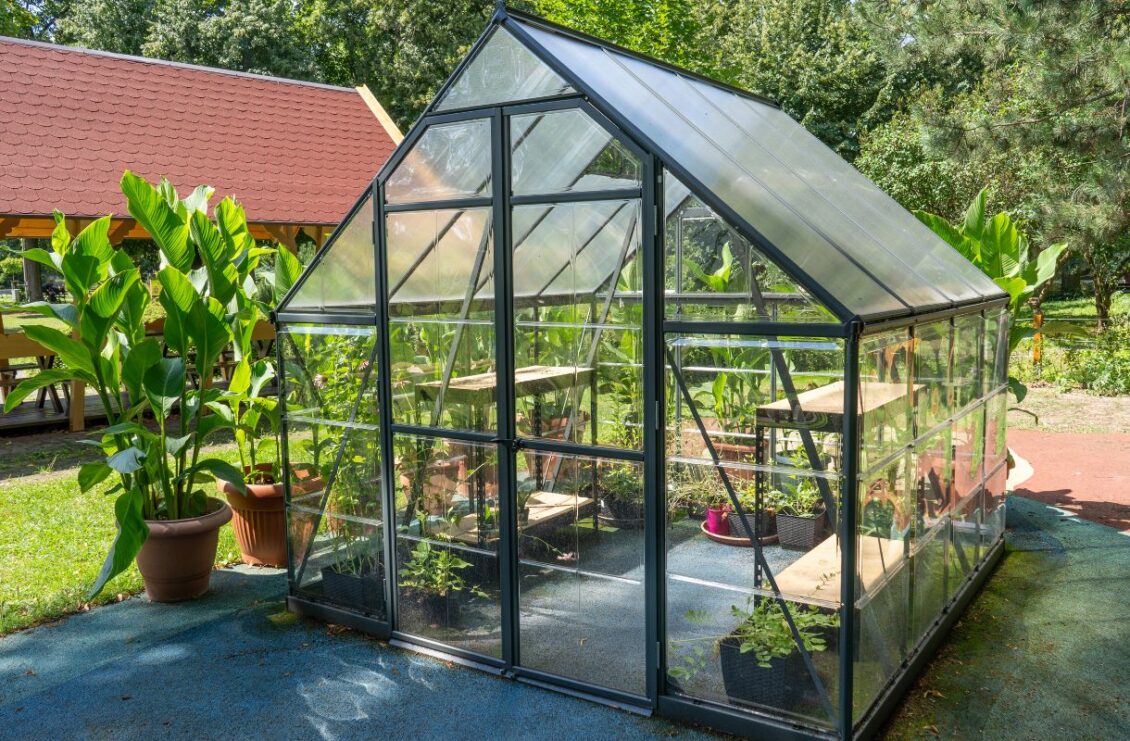
New greenhouse owners are being encouraged to think about staging, storage and working space before filling their greenhouse with plants this summer.
While it is tempting to start sowing and planting as soon as a greenhouse is assembled, some early planning can make the space easier to use, more productive and less likely to become cluttered as the season develops.
For many households, a greenhouse is now part of a wider trend towards making better use of outdoor space. Just as garden rooms are becoming a practical property feature, greenhouses are increasingly being treated as working areas rather than simple storage spaces for pots, compost and tools.
The main issue is space. Even a modest greenhouse can quickly become crowded once seed trays, watering cans, plant food, spare pots and bags of compost are added. Without a clear layout, gardeners may find themselves working on the floor, blocking walkways or constantly moving plants to reach the back.
A spokesperson for Copagrey, a UK supplier of greenhouse staging, potting and seedling tables, said: “A greenhouse works best when it is planned as a workspace, not just a covered area for plants. New owners often focus on what they want to grow, which is understandable, but the practical side matters just as much. Staging, shelves and potting space help keep plants off the floor, improve access and make everyday jobs like watering, sowing and transplanting much easier.”
The advice is particularly relevant during warmer months, when greenhouses can become hot very quickly. The Royal Horticultural Society advises that greenhouse plants can be protected from excess heat through shading and ventilation, especially in sunny weather. Good layout helps by making it easier to reach vents, move plants away from the hottest areas and avoid overcrowding that restricts airflow. Further guidance is available from the RHS on growing vegetables in a greenhouse.
For new greenhouse owners, a simple starting point is to divide the space into three zones: a growing area, a working area and a storage area. The growing area may include staging for trays, young plants and potted crops. The working area should provide enough room for potting, seed sowing and general plant care. Storage should be compact and accessible, ideally using shelves, hooks or under-bench space rather than leaving items loose on the floor.
Height is another important consideration. Seedlings, tools and trays often benefit from tiered staging, helping gardeners make better use of vertical space. However, lower shelves still need enough light and must remain easy to water and inspect.
Weight should also be considered. Wet compost is heavy, especially when several trays or containers are grouped together. Greenhouse owners should choose staging that is suitable for the type of growing they plan to do, rather than assuming all shelves will perform the same way.
Access is just as important as capacity. It is usually better to leave a clear central route through the greenhouse than to fill every available inch. A usable path allows plants to be checked regularly, reduces the risk of accidental damage and makes cleaning easier.
Gardeners should also think beyond the first season. A greenhouse used for spring seed sowing may later be needed for tomatoes, chillies, cucumbers, overwintering plants or general storage. Modular staging and flexible shelving can make it easier to adapt the greenhouse as needs change.
The Copagrey spokesperson added: “The best greenhouse layout is rarely the most packed one. It is the one that lets you work comfortably, keep plants healthy and change the setup as the season moves on.”
For anyone setting up a greenhouse for the first time, the message is clear: before the trays, tomatoes and tender plants go in, it is worth taking time to plan where everything will live.
